
Get Advice
Home healthy-eating gut-health 3 common causes of gut inflammation and the drinks that make it worse
gut-health 1 min read

3 common causes of gut inflammation and the drinks that make it worse

Written By Olivia Hart
Jun 03, 2026
Reviewed by   Ethan Carter, MD
Wellness blogger and home cook sharing healthy recipes that don't compromise on flavor. My motto: eat well, feel well, live well.
3 common causes of gut inflammation and the drinks that make it worse
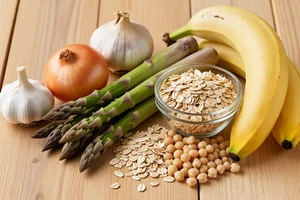
3 common causes of gut inflammation and the drinks that make it worse Source: Pixabay

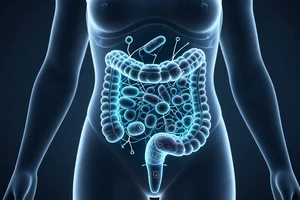
When your gut is unhappy, your whole body feels it. That dull bloating, the unpredictable digestion, the fatigue that seems to settle in by mid-afternoon — these are often signals from your gastrointestinal tract that something is off. At the heart of many of these symptoms is gut inflammation, a persistent, low-grade immune response that can disrupt everything from nutrient absorption to your mood.

While there are many potential triggers for this internal turmoil, three specific causes are particularly common. Even more importantly, many people unknowingly pour fuel on the fire through the beverages they reach for every day. Understanding these connections is the first step toward calming the system and restoring digestive comfort.

Close-up of clear water glasses and a warm cup of herbal tea next to fresh ginger and turmeric, symbolizing anti-inflammatory drink choices for gut health
Related FAQs
Yes. Plain water is essential for healthy digestion and helps the gut lining repair itself. Dehydration can worsen inflammation and lead to constipation. For best results, drink clean water or herbal teas, and avoid added flavors or sweeteners.
It depends on individual tolerance. Coffee stimulates gastric acid production and can speed up motility, which may aggravate symptoms in some people with active inflammation. For others, it causes no issues. If you notice discomfort after coffee, try switching to a low-acid roast or a non-caffeinated herbal alternative.
Green tea contains antioxidants called catechins that have anti-inflammatory properties. However, the caffeine content may be problematic for some sensitive individuals. Decaffeinated green tea offers a gentler option while still providing beneficial polyphenols.
Many people notice improvements in bloating and discomfort within 10 days of removing inflammatory drinks and replacing them with water or herbal tea. Full resolution of underlying inflammation may take several weeks to months, especially if dietary or lifestyle changes are also needed.
Key Takeaways
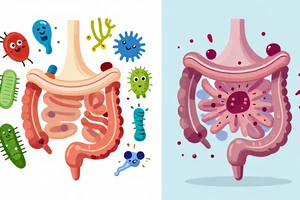
  • The three most common drivers of gut inflammation are a poor diet (low fiber, high processed foods), chronic stress, and dysbiosis (imbalance of gut bacteria).
  • Sweetened sodas, fruit juices with added sugar, and energy drinks feed harmful bacteria and increase intestinal permeability.
  • Alcohol, especially in high quantities, directly damages the gut lining and leads to leaky gut syndrome.
  • Artificially sweetened diet drinks can alter the microbiome and trigger inflammatory responses in some individuals.
Medical Note
This article is for informational purposse only and should not be taken asanb caring teotio ongpontyBeotot bacnts Spotiroeprofestional medical loloice. Awwver consux with a healthcart-professenar-tal for medical advice and ineatment.
Comments
  • No comments yet. Be the first to share your thoughts.
Leave a Comment
Login with Google to comment.