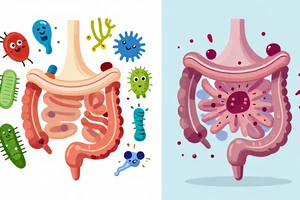
Your gut microbiome is a bustling community of trillions of bacteria, fungi, and other microbes living in your digestive tract. When this community is balanced and diverse, it supports digestion, immune function, and even mood. But when it's thrown off balance—a state known as dysbiosis—it can lead to bloating, fatigue, and a host of other issues. The shift often happens gradually, influenced by daily habits you might not think twice about.
Understanding what disrupts this delicate ecosystem is the first step toward nurturing it back to health. The causes are often interconnected, weaving through diet, lifestyle, and modern living. Let’s look at three of the most common, yet significant, factors that can compromise your gut microbiome.
A Diet Low in Diverse Fiber
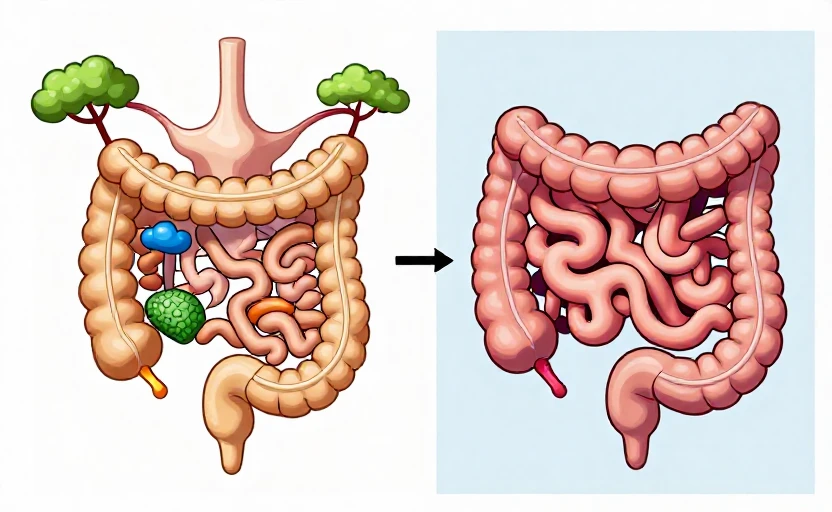
Think of the beneficial bacteria in your gut as a garden. They need specific nutrients to thrive, and their preferred food is dietary fiber—particularly the types we can’t digest ourselves, called prebiotics. When your diet lacks a variety of fruits, vegetables, legumes, and whole grains, you’re essentially starving these good microbes.
Instead, a diet heavy in ultra-processed foods, refined sugars, and unhealthy fats provides a feast for less beneficial or outright harmful bacteria and yeasts. This can allow them to proliferate, crowding out the good bacteria and reducing overall microbial diversity. A less diverse microbiome is a less resilient one, more easily disrupted and less capable of performing its vital functions.
Aim to “feed your garden” with a rainbow of plant-based foods each week, not just one or two types.
Chronic Stress and Poor Sleep
Your gut and brain are in constant communication via the gut-brain axis. This means your mental and emotional state directly impacts your digestive environment. During periods of chronic stress, your body releases hormones like cortisol, which can alter gut motility, increase intestinal permeability (sometimes called “leaky gut”), and change the composition of your microbiota.
Similarly, consistently poor or insufficient sleep disrupts your circadian rhythm, which governs many bodily processes, including those in your gut. The microbes in your digestive system have their own daily rhythms that sync with yours. When your sleep schedule is erratic, their rhythms—and their functional harmony—are thrown off. This double impact of stress and sleep deprivation creates an internal environment where a healthy microbiome struggles to maintain balance.
Overuse of Certain Medications
While sometimes necessary, some medications have a profound, collateral impact on gut bacteria. The most well-documented are antibiotics. As their name implies, they are designed to kill bacteria, and they do so broadly, taking out both harmful pathogens and vast swaths of beneficial gut flora. A single course can significantly reduce diversity, and while the community often recovers, it may not return to its previous state without conscious support.
Other medications, including non-steroidal anti-inflammatory drugs (NSAIDs) and proton pump inhibitors (used for acid reflux), can also affect the gut lining and microbial balance. This isn’t a suggestion to avoid prescribed medications, but rather an acknowledgment of their potential effect and a reason to be proactive about gut health when their use is necessary and discussed with a doctor.
Recognizing these common causes empowers you to make supportive choices. It’s about consistent, small shifts—adding more plants to your plate, finding moments for stress relief, prioritizing sleep, and using medications judiciously as directed by a healthcare provider. Your gut microbiome is remarkably adaptable, and with thoughtful care, you can cultivate an environment where it can flourish.