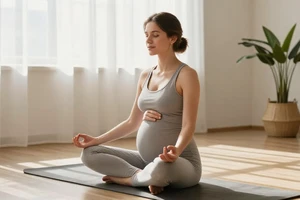

Prenatal yoga is a beautiful way to stay active, connect with your changing body, and prepare for birth. But even a well-intentioned practice can sometimes lead to discomfort—especially in the lower back. As your belly grows and your center of gravity shifts, the demands on your spine and supporting muscles change dramatically. If certain poses or sequences aren't adapted for pregnancy, they can create strain rather than relief.
Here are two clear warning signs that your prenatal yoga routine may be putting too much pressure on your lower back—and what to do about them so you can keep moving safely.
Sign #1: A Sharp or Dull Ache in the Lower Back During or After Backbends
Backbends like Cobra, Upward-Facing Dog, and Bridge Pose are meant to open the front of the body, but during pregnancy, they can easily compress the lumbar spine if done with full extension. If you feel a sharp, localized pain or a deep ache in your lower back while holding a backbend—or notice it worsening after class—that's a signal that the pose is placing too much load on the vertebrae and discs.
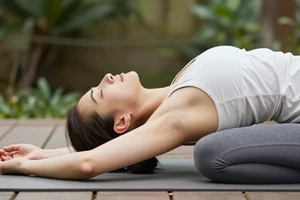
The hormonal shifts of pregnancy increase joint laxity, which means your spine can overextend without the usual muscular protection. Instead of a full backbend, try a gentle supported chest opener: lie over a rolled blanket or bolster placed horizontally under your shoulder blades, with your head and hips supported. This gives you the opening without the lumbar compression.
Quick check: If you cannot keep your navel gently drawn toward your spine throughout a backbend, you are likely arching from your lower back rather than your upper back. Back off the depth immediately.
Sign #2: A Pulling Sensation or Spasms in the Low Back During Forward Folds
Forward folds like Standing Forward Bend, Seated Forward Fold, or even Child's Pose with wide knees can feel counterintuitively risky for the lower back during pregnancy. As your uterus grows, the abdominal muscles lengthen and separate (diastasis recti), reducing their ability to support the spine. If you feel a pulling, stretching, or actual muscle spasm in the low back when folding forward—especially if you have to round your spine deeply to reach your toes—you are likely straining the ligaments and erector spinae muscles.
The solution isn't to avoid forward folds entirely, but to modify them. Keep your knees bent generously, and place your hands on blocks or your thighs rather than reaching for the floor. In seated folds, sit on a folded blanket to tilt your pelvis forward, which takes the pressure off the lower back. Never lock your knees or force your chest to your thighs.
More subtle red flags worth noting
While the two signs above are the clearest indicators, a few other clues can tell you your routine needs adjustment:
- Increased pain when transitioning between poses – especially moving from standing to floor poses, which requires core engagement that may be compromised.
- Pain that radiates into one buttock or leg – this could indicate sciatic nerve irritation, common in pregnancy but often worsened by asymmetrical poses like twisting lunges.
- Discomfort that lingers for hours after class – mild muscle fatigue is normal; persistent lower back pain is not.
How to adapt your practice without losing the benefits
The goal isn't to stop doing yoga, but to practice with more body awareness and smarter modifications.
Focus on alignment, not depth. In every pose, ask yourself: Can I breathe easily? Do I feel a stretch in the intended area (hips, chest, hamstrings) or is the sensation concentrated in my lower back? If it's the latter, back off or use props.
Incorporate pelvic tilts and cat-cow. These gentle movements strengthen the deep core and improve spinal mobility without compression. Practice them on hands and knees, moving slowly with your breath.
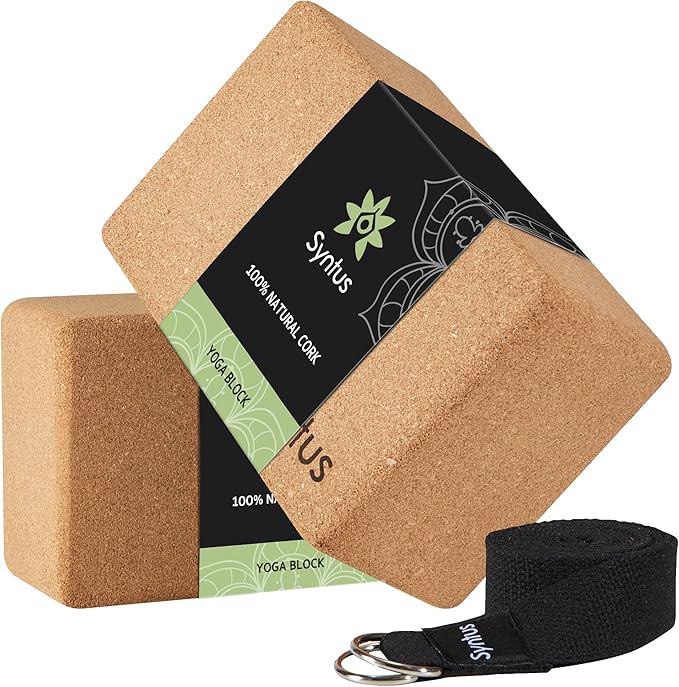
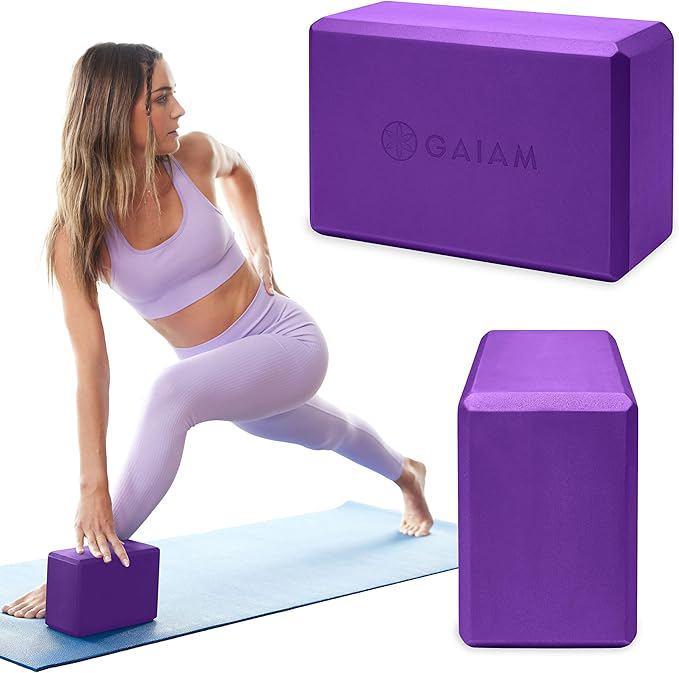
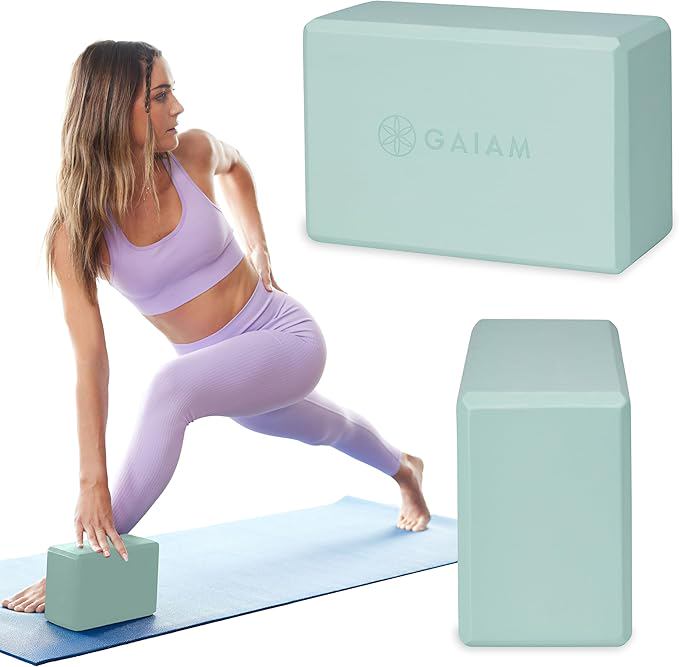
Use blocks and bolsters liberally. They are not a sign of weakness—they allow you to maintain proper alignment as your body changes. For standing poses, a block under the hand can prevent overarching in the back.
Prioritize lateral and hip-opening poses. Side stretches, gentle spinal twists (open twists like a seated spinal twist with the belly free), and hip openers like bound angle pose place less demand on the lower back while still providing the benefits of yoga.
Listen to your body's signals with compassion. Prenatal yoga is meant to support you, not challenge you to push through pain. If either of these warning signs sounds familiar, talk to your instructor about modifications or consider working with a prenatal-specialized teacher who can observe your alignment in person.