
When you eat something and your body reacts poorly, it is natural to lump everything under the label of a "food allergy." But clinically, the difference between a true food allergy and a food intolerance matters deeply. A true allergy involves your immune system—specifically, immunoglobulin E (IgE) antibodies—and can be life-threatening. An intolerance, by contrast, is a digestive or metabolic problem that, while uncomfortable, does not carry the same risk of anaphylaxis.
Understanding the distinction can change how you approach your diet, your conversations with your doctor, and your emergency preparedness. Below are the two most reliable warning signs that separate a food intolerance from a true food allergy.
1. The timing and speed of the reaction
The first major clue is how quickly symptoms appear after you eat the offending food. With a true food allergy, symptoms typically begin within minutes—often within two hours of ingestion. The reaction is rapid because the immune system releases histamine and other chemicals almost immediately upon detecting the allergen.
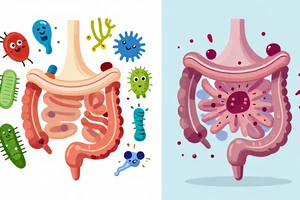
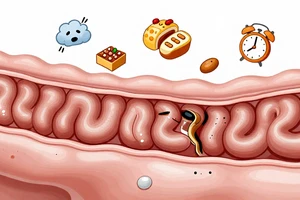
With a food intolerance, the response is almost always delayed. You might feel bloated, gassy, or nauseated several hours—or even 24 to 48 hours—after eating the trigger food. This lag occurs because intolerance involves the digestive system struggling to process a substance (lactose, gluten, certain FODMAPs) rather than an immediate immune cascade. If you eat a cheese pizza and feel fine during the meal but wake up with cramping and diarrhea the next morning, an intolerance is the more likely explanation.
A quick test of timing: If symptoms hit within 30 minutes of eating, treat it as a potential allergy until proven otherwise. If symptoms take half a day or longer to appear, an intolerance is far more common.
2. The specific nature of the symptoms
The second distinguishing warning sign is the type of symptom you experience. Food allergy symptoms are systemic, meaning they involve multiple organ systems. Classic signs include hives, swelling of the lips or throat, wheezing, difficulty breathing, a sudden drop in blood pressure, or vomiting within a short window of eating. These are driven by histamine release and can escalate quickly.
Food intolerance symptoms are almost exclusively gastrointestinal. You may experience bloating, gas, abdominal pain, nausea, heartburn, or diarrhea. While these symptoms can be severe and disruptive to your day, they do not cause respiratory distress, skin rashes, or swelling of the airway. A person with lactose intolerance may feel miserable after a milkshake, but they will not develop hives or anaphylaxis.
There is one important nuance: some food intolerances can mimic allergic symptoms when they are severe. For example, someone with a very severe lactose intolerance may vomit violently, which can cause throat irritation that feels like swelling. But true swelling of the tongue or lips, or any difficulty breathing, points toward an allergic mechanism until proven otherwise.
What about non-IgE mediated allergies?
There is a less common category called non-IgE mediated food allergies (such as food protein-induced enterocolitis syndrome, or FPIES). These affect the immune system differently and primarily cause delayed vomiting and diarrhea, which can look similar to a severe intolerance. However, these are still allergies—just not the rapid, IgE type. If you have any doubt about a delayed reaction that causes severe illness, an allergist is the right professional to help sort this out.
How to move forward with confidence
If you suspect a true food allergy—especially if you have experienced hives, lip swelling, or trouble breathing—see a board-certified allergist for skin-prick testing or specific IgE blood tests. Do not try to diagnose yourself by eliminating foods without guidance, as this can lead to nutritional deficiencies and increased anxiety around eating.
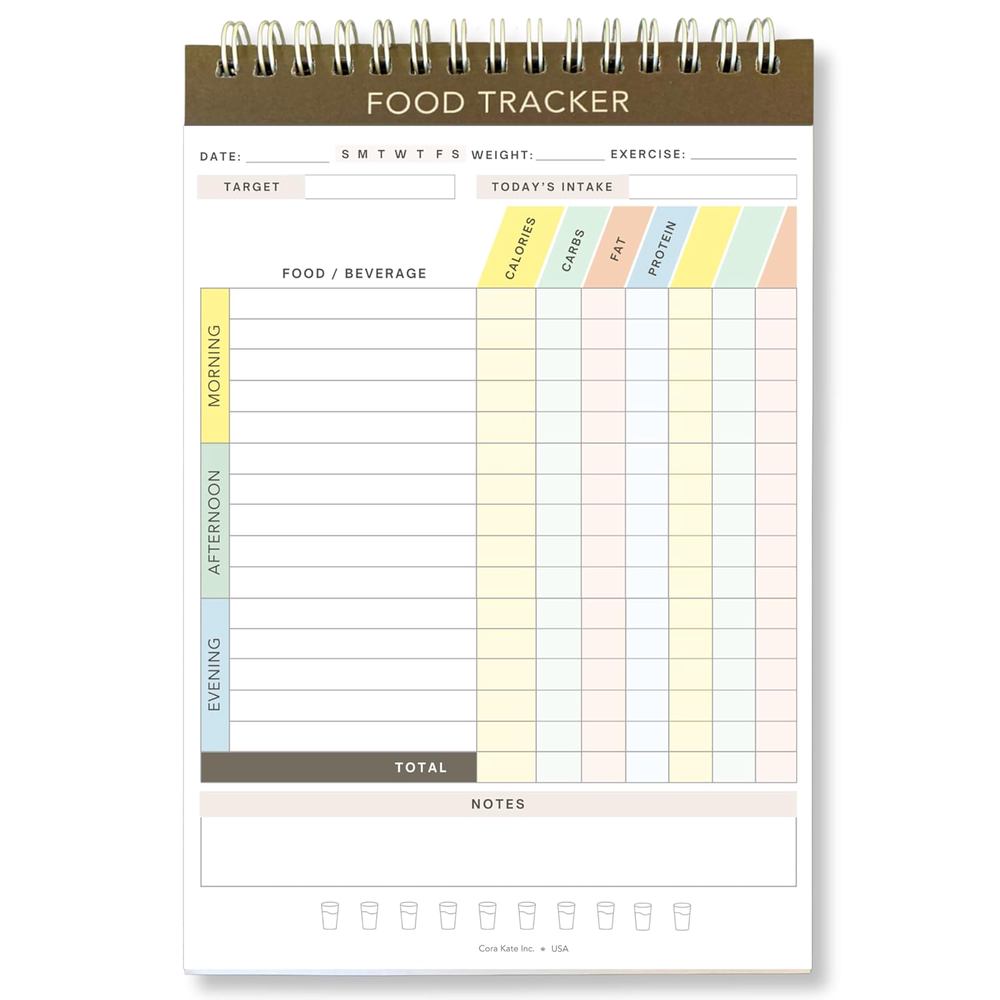
If the pattern points toward an intolerance (delayed, purely digestive symptoms), consider keeping a symptom and food diary for two weeks. Note what you ate, when you ate it, and exactly when symptoms appeared. Then try a targeted elimination diet under the supervision of a dietitian, focusing on one suspected trigger at a time (lactose, gluten, fructans, etc.).
One final warning: never assume a mild reaction means it is "just an intolerance." Food allergies can escalate with repeated exposure. A mild reaction today does not guarantee a mild reaction tomorrow. If there is any uncertainty, prioritize allergy testing over guessing.