
You might think of inflammation as that swollen ankle after a twist or the redness around a paper cut. That's acute inflammation — your body's visible, short-term response to injury. But there's a quieter, more insidious form happening beneath the surface: low-grade, systemic inflammation. It doesn't announce itself with pain or heat. Instead, it lingers in the background, often fueled day by day by the foods on your plate.
The tricky part is that the signals can be easy to brush off as everyday stress or aging. Here are two surprising signs that your diet might be quietly stoking that internal fire — and what you can do about it.
The first surprising sign: persistent digestive discomfort
Everyone gets an occasional stomachache or bloated feeling after a big meal. But if you regularly experience gas, bloating, loose stools, or a feeling of fullness long after eating — even with foods you tolerate well — it could be a sign of low-grade inflammation in your gut.
Your gastrointestinal tract is lined with a delicate mucosal barrier. When you consistently eat foods that irritate this lining — think highly processed snacks, refined sugars, and unhealthy fats — the barrier can become compromised. This state, sometimes called increased intestinal permeability or "leaky gut," allows tiny particles to pass into your bloodstream. Your immune system sees these as invaders and sends out inflammatory signals.
Over time, this chronic immune activation does not stay in your gut. It contributes to whole-body inflammation, which has been linked to everything from joint stiffness to brain fog.
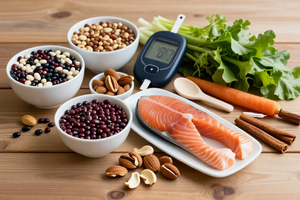
What to look for: If you notice that your digestion feels unsettled after meals more often than not, even when you are eating vegetables or whole grains, your diet's inflammatory load may be the culprit. Cutting back on ultra-processed foods and adding anti-inflammatory choices like leafy greens, berries, and fatty fish can help calm the gut lining.
The second surprising sign: unexplained fatigue and brain fog
Feeling tired all the time — not just after a late night, but a deep, bone-weary fatigue that coffee does not fix — can be another surprising clue. Low-grade inflammation consumes a lot of energy. Your immune system is working in overdrive, and that constant low-level activation taxes your body's resources.
This fatigue often comes with cognitive symptoms. You might find it harder to concentrate, feel like your thoughts are cloudy, or struggle to find the right words. Researchers believe inflammatory molecules can cross the blood-brain barrier and affect neurotransmitter function, directly impacting your mood, energy, and clarity.
A diet high in refined carbohydrates (white bread, sugary cereals, pastries) and unhealthy fats can spike blood sugar and increase inflammatory markers like C-reactive protein (CRP). These same foods tend to lack the antioxidants and polyphenols that protect brain cells from inflammatory damage.
What to look for: If your afternoon slump is non-negotiable and you feel mentally hazy even after adequate sleep, look at your lunch. Meals heavy in refined carbs and low in fiber, protein, and healthy fats can trigger a pro-inflammatory response that leaves you feeling drained and foggy.
What you can do about it
The good news is that diet-driven low-grade inflammation is modifiable. You don't need a radical cleanse or a restrictive plan. Small, consistent changes can tip the balance away from inflammation over time.
Focus on whole, minimally processed foods. Think vegetables, fruits, whole grains, lean proteins, and healthy fats like those in olive oil, nuts, and seeds. These foods are packed with anti-inflammatory compounds your body recognizes.
Incorporate calcium-rich plant sources. While not directly anti-inflammatory, adequate calcium supports nerve and muscle function, which helps your body handle stress better. If you are looking for plant-based options, consider:
- Tofu: A versatile source offering 250–275 mg of calcium per cup (check labels, as amounts vary by brand).
- Butternut squash: One cup provides about 84 mg of calcium along with vitamin C, which can aid calcium absorption.
- Seeds: Poppy, sesame, chia, and sunflower seeds are rich in calcium, magnesium, and healthy fats that support bone and nerve health.
- Sweet potatoes: A large boiled sweet potato contains around 68 mg of calcium, plus vitamins A, C, and potassium for overall resilience.
Reduce your intake of added sugars, refined grains, and processed vegetable oils. These are the biggest dietary drivers of inflammation. Swapping a sugary breakfast bar for oatmeal with berries, or choosing a salad with olive oil over a fast-food meal, can make a real difference within days.
When to talk to a professional
If you have persistent digestive issues or chronic fatigue, it is wise to see a healthcare provider. They can run tests to rule out other conditions and measure inflammatory markers like CRP or homocysteine. Diet is powerful, but it is not a substitute for medical evaluation.
Low-grade inflammation does not have to be a permanent state. By tuning into subtle signs like digestive distress and unexplained fatigue, you can catch it early and use food as a lever to restore balance. Your body's quiet signals are worth listening to.