
You unroll your mat with the intention of nurturing your body, seeking the strength and ease a consistent yoga practice promises. Yet sometimes, after a session focused on back health, you’re left with a nagging question: is this actually helping? The line between therapeutic movement and subtle strain can be surprisingly fine. Learning to read your body’s signals—beyond the obvious sharp pain—is the key to a practice that truly supports your spine for the long term.
Your back communicates in whispers before it shouts. Discerning these quieter cues requires shifting from a mindset of achievement to one of listening. The true measure of a beneficial practice isn't how deep you go into a pose, but how you feel moving through your day afterward. Let’s explore the two most telling, yet often overlooked, signs that indicate whether your yoga is building a resilient back or quietly undermining it.
Sign 1: The Quality of Your Movement Between Sessions
This is perhaps the most reliable barometer. A yoga practice that genuinely helps your back won’t confine its benefits to the hour on the mat. It will seep into the fabric of your daily life, changing how you move when you’re not thinking about movement at all.
When it's helping: You might notice a new sense of fluidity in ordinary actions. Bending to pick up a dropped item feels less like a cautious maneuver and more like an organic, supported motion. You find yourself sitting taller at your desk without constant mental reminders, or turning to look over your shoulder while backing the car out of the driveway feels smoother. This isn't about flexibility; it's about integrated strength and ease. The work you do in poses like Cat-Cow or gentle spinal twists translates into a spine that feels more capable and connected in mundane tasks.
The goal isn't a perfect pose on the mat, but a more adaptable spine off of it.
When it's hurting: Conversely, if your practice is creating subtle imbalances or strain, you’ll feel it in these in-between moments. You might experience a sense of stiffness or “catch” when you first stand up from a chair, a hesitation before you lift a grocery bag, or a need to “reset” your posture with a crack or stretch frequently throughout the day. This can signal that your practice is either overworking certain muscle groups—like aggressively compressing the spine in deep forward folds or backbends—or failing to engage the core stabilizers, leaving your back vulnerable. The sensation is often one of fragility, not resilience.
Sign 2: The Sensation of “Gathering” vs. “Spreading”
This subtle internal sensation is a powerful diagnostic tool during your practice itself. It asks you to tune into the qualitative feeling of effort and support in your spine.
When it's helping: In supportive poses, you should feel a sensation of your torso and back muscles gently “gathering” or “hugging” toward the midline of your spine. This is the feeling of integrated core engagement and muscular support. In a well-aligned Plank or a mindful Warrior I, the work feels distributed and contained. Your breath flows into the sides and back of your ribs, creating a sense of spaciousness within stability. Afterward, your back feels “together”—long, supported, and unified.
Poses that often foster this supportive feeling:
- Constructive Rest Position (lying on back, knees bent, feet flat): Allows the spine to decompress and the psoas to release.
- Thread the Needle: Gently mobilizes the thoracic spine without lumbar strain.
- Supported Bridge (with a block under the sacrum): Offers a passive backbend that can relieve tension.
- Bird-Dog: Teaches coordinated stability for the entire trunk.
When it's hurting: The warning sign is a feeling of “spreading” or “spilling.” This might manifest as a sense of pressure or pinching localized in one spot—often the lower lumbar or the base of the neck—while other parts of the spine feel disengaged. In a push for depth in a pose like Seated Forward Fold or Wheel, the effort collapses into a single joint instead of being shared across multiple muscle groups and spinal segments. You may feel a vague ache or a sense of vulnerability in a specific area long after you’ve left the pose. This is your body reporting a load it couldn't distribute safely.
How to Cultivate a Back-Supportive Practice
If you recognize the “hurting” signals, it doesn’t mean abandoning yoga. It means refining it. The focus should move from shape to function.
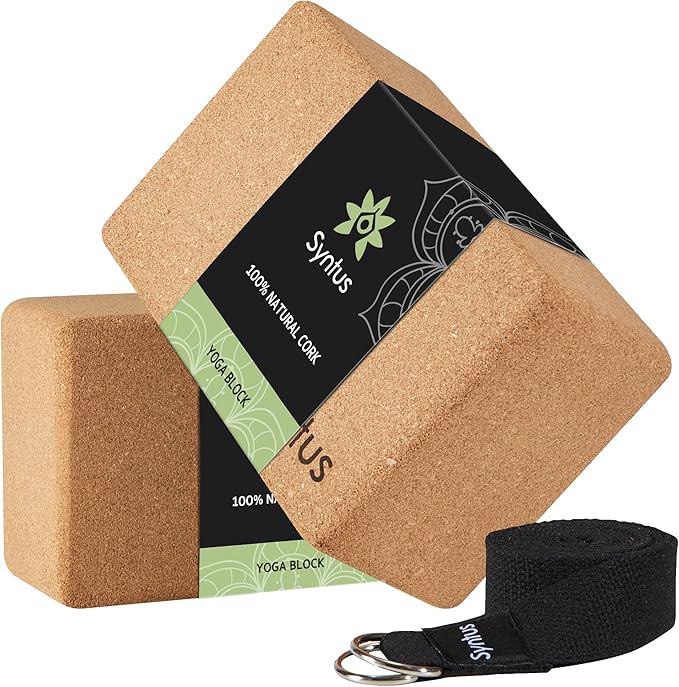
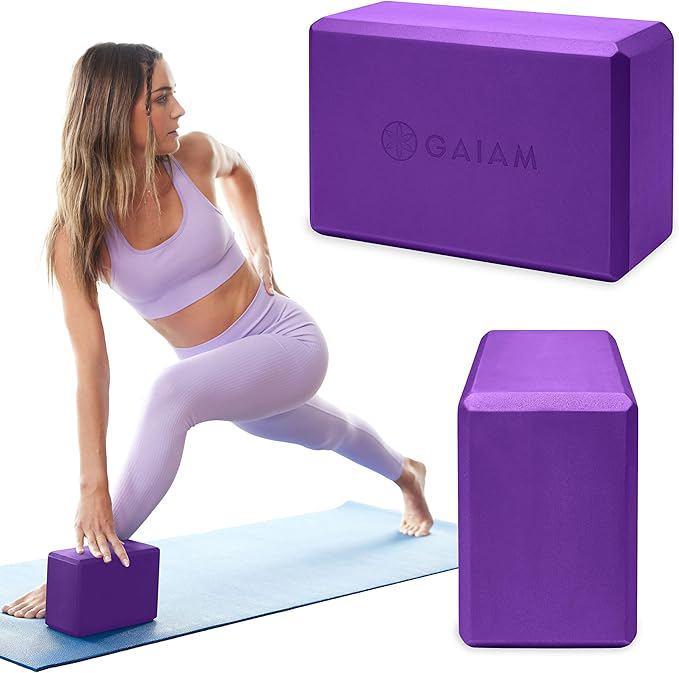
Prioritize neutral spine awareness in foundational poses like Tadasana (Mountain Pose) and Tabletop. Can you feel your abdominal wall lightly engaged and your ribcage stacked over your pelvis? This is your home base. Use props unapologetically—a block under your hand in a twist changes it from a lumbar wrench to a thoracic mobilizer. A bolster under your knees in Savasana can allow your lower back to fully relax.
Re-evaluate your relationship with flexibility, especially in forward folds and deep backbends. Often, the quest for mobility outpaces the development of stability. Strengthening poses like gentle, held Planks, Bridge Pose with a focus on glute engagement, and supine core work are non-negotiable for a healthy back. They build the muscular corset that protects your spine.
Finally, incorporate intentional decompression. Simple hangs from a pull-up bar (if accessible and pain-free), or gentle traction in poses like Downward-Facing Dog, can create space and counteract the compressive forces of daily life and some yoga poses.
Your yoga practice should feel like a conversation, not a command. By listening for these two subtle signs—the carryover into daily movement and the internal feeling of gathering support—you can guide that conversation toward a stronger, more comfortable, and truly supportive relationship with your back.