When it comes to gut health, the conversation often lands on probiotics, prebiotics, and the importance of a diverse microbiome. But you don't always need a pill or a powder to support the bacteria living in your digestive tract. Some of the most effective options are traditional foods and beverages that have been part of human diets for centuries.
Fermented drinks, in particular, offer a direct line of living microorganisms that can help replenish and diversify your gut flora. Dietitians consistently point to two fermented beverages as the most reliable, research-backed choices for improving bacterial balance. Here is why they earn the top spots, and how to incorporate them into your routine without overdoing it.
Why Fermented Drinks Matter for Gut Health
The core idea behind fermented foods is simple: during fermentation, natural bacteria feed on the sugar and starches in the food, creating lactic acid. This process not only preserves the food but also produces beneficial bacteria, yeasts, and enzymes. When you consume these live cultures, they can temporarily populate your gut and work alongside your existing microbiome.
Not all fermented drinks are created equal, however. Many commercial versions are pasteurized after fermentation, which kills the live bacteria. Others are loaded with added sugar, which can counteract some of the positive effects. The two drinks dietitians recommend most often are ones that reliably deliver live cultures with minimal unwanted additives.
Look for the phrase "live and active cultures" on the label. If it is pasteurized or shelf-stable, the beneficial bacteria have likely been destroyed.
The Two Fermented Drinks Dietitians Recommend Most
Kefir: The Probiotic Powerhouse
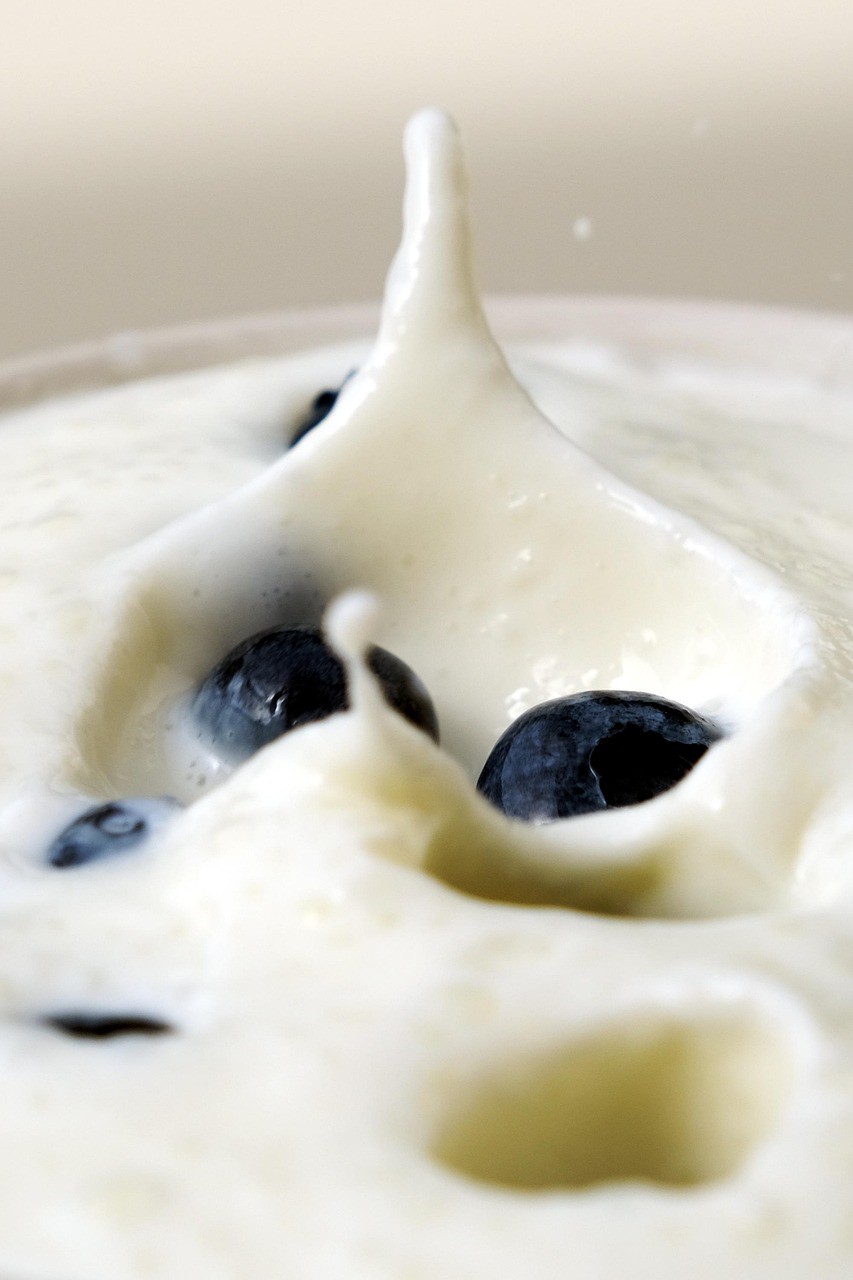
Kefir is a fermented milk drink that resembles a thin yogurt. It is made by adding kefir grains—a symbiotic culture of bacteria and yeasts—to milk. What sets kefir apart from standard yogurt is the diversity of its microbial content. A single batch can contain dozens of different strains of bacteria and beneficial yeasts, making it one of the most potent probiotic sources available.
Dietitians value kefir for its broad spectrum of organisms, including Lactobacillus species, Bifidobacterium, and the yeast Saccharomyces cerevisiae. Research suggests that this diversity can help improve digestion, reduce inflammation, and support immune function. The fermentation process also breaks down much of the lactose, so many people who are lactose intolerant can tolerate kefir better than regular milk.
To get the most benefit, choose plain, unsweetened kefir. Flavored versions often contain significant added sugar. If you find the taste too tart, try mixing a small amount of fruit or a drizzle of honey yourself.
Kombucha: The Gentle Fermented Tea
Kombucha is made by fermenting sweetened tea with a symbiotic culture of bacteria and yeast, often called a SCOBY. The result is a slightly effervescent, tangy beverage that contains live bacteria and organic acids. While kombucha generally has fewer live cultures per serving than kefir, dietitians still recommend it for a few specific reasons.
First, kombucha is a tea-based drink, which means it also provides polyphenols from the tea leaves. These antioxidant compounds can act as prebiotics, feeding the good bacteria already present in your gut. Second, the fermentation process produces acetic acid and other organic acids that may help suppress the growth of harmful bacteria and yeasts. For people who do not tolerate dairy well, kombucha offers a non-dairy route to probiotic intake.
The key with kombucha is moderation. Most commercial bottles contain two servings, and drinking an entire bottle in one sitting can deliver more sugar and acidity than your system needs. Stick to 4 to 6 ounces per day as a starter, and look for low-sugar varieties.
How to Choose the Right Product
Not every bottle on the shelf is equally beneficial. Here are the specific criteria dietitians use to recommend fermented drinks:
- Live cultures confirmed. The label should explicitly state that the product contains live or active cultures. If it does not, assume the beneficial bacteria have been removed or killed.
- Low added sugar. Sugar is the fuel for fermentation, but after the process is complete, excessive remaining sugar feeds unwanted bacteria and adds empty calories. Aim for less than 6 grams of added sugar per serving.
- Non-pasteurized. Pasteurization kills bacteria, including the beneficial ones. Find the product in the refrigerated section of the grocery store.
- Minimal ingredients. A short ingredient list—milk and kefir cultures, or tea, sugar, and the SCOBY—is a good sign. Avoid thickeners, stabilizers, and artificial flavors.
Potential Downsides and Cautions
Fermented drinks are generally safe for healthy adults, but they are not without considerations. The live bacteria can cause temporary bloating, gas, or digestive upset when you first introduce them, especially if you are not used to high-fiber or fermented foods. Start with a small serving—half a cup of kefir or a few ounces of kombucha—and gradually increase over a week or two.
People with compromised immune systems, such as those undergoing chemotherapy or living with HIV, should consult a healthcare provider before adding live-culture drinks, as the bacteria could pose a risk in rare cases. Also, anyone with histamine intolerance may react to fermented foods, since the fermentation process can raise histamine levels.
Acidic drinks like kombucha can also erode tooth enamel over time if consumed frequently. To reduce the risk, drink kombucha through a straw, rinse your mouth with plain water afterward, and avoid sipping it throughout the day.
Practical Ways to Add Them to Your Diet
You do not need to overhaul your entire eating pattern to gain the gut benefits of these drinks. Small, consistent additions tend to work better than large, sporadic ones. Try blending plain kefir into a smoothie with berries and a handful of spinach for a breakfast that supports digestion. Use it as a base for overnight oats instead of milk. Kombucha can replace soda or sparkling water as a refreshing afternoon drink, but dilute it with sparkling water if you want to cut the acidity.
Some dietitians also recommend rotating between kefir and kombucha to expose your gut to different families of bacteria. A single rotation pattern might be drinking kefir three or four days a week and kombucha two or three days a week, leaving a day without any fermented beverage to let your system rest.
A Note on Homemade Versions
Making your own kefir or kombucha at home is certainly possible and can be more economical than buying it regularly. However, homemade fermentation carries a small risk of contamination with unwanted bacteria or mold. If you decide to try it, use clean equipment, reliable starter cultures, and practice good hygiene. Start with a trusted recipe from a reputable source. For most people, buying quality commercial products is the safer and more convenient option.
The bottom line from dietitians is consistent: if you are looking to improve gut bacteria balance, these two fermented drinks offer the best combination of microbial diversity, prebiotic support, and overall safety. They are not magic bullets—a healthy diet rich in fiber from vegetables, fruits, and whole grains remains the foundation of good gut health—but they are a genuinely helpful addition for many people.