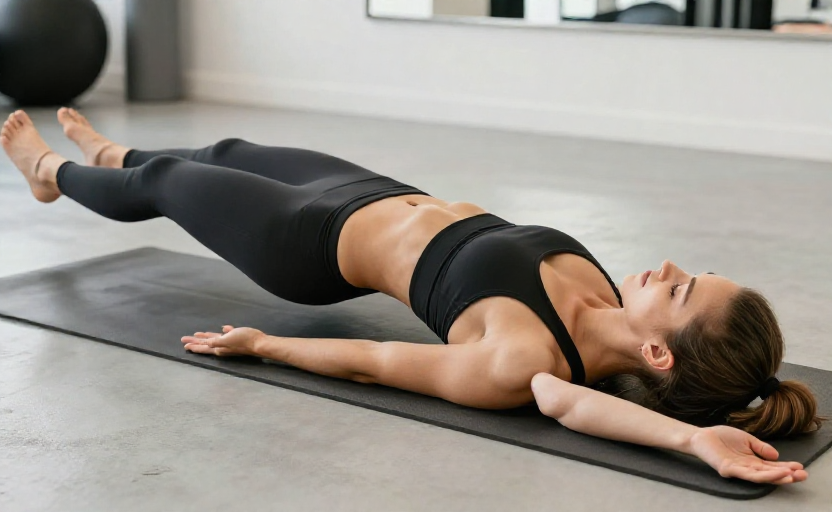
That subtle pooch or lower back ache after sitting at a desk isn't always a failure of effort—it's often a failure of communication. Your core muscles, particularly the deeper stabilizers like the transverse abdominis, can become neurologically sluggish if they aren't actively recruited throughout the day. They're not weak; they're asleep. Waking them up doesn't require a hundred crunches. It requires smart, targeted movement that restores the mind-muscle connection.
These two moves, backed by physical therapists and movement coaches, are designed to do exactly that. They prioritize activation over exhaustion, helping you reconnect with your center before you ever add load or speed. Think of them as a reset button for your midsection—no gym membership required.
Why Your Core Goes Silent (and How to Rouse It)
Before the exercises, a quick lens into the 'why.' Your core is not just a six-pack; it's a cylinder of muscles that wrap around your spine and pelvis. The deepest layer, the transverse abdominis, acts like a natural weight belt. When it fires correctly, it stabilizes your spine before you move an arm or leg.
But modern habits—prolonged sitting, poor posture, and chronic stress—can dull its firing pattern. As one physical therapist describes it, the brain often learns to bypass this deep stabilizer in favor of more superficial muscles (like the rectus abdominis) that feel more familiar. The result? A core that looks tight or feels tight but doesn't provide real stability. The following two moves re-teach your brain to engage the deep layer first.
Move #1: The Dead Bug with Breath Emphasis
The dead bug is a gold standard for core rehabilitation, but the common version is often rushed. The key here is not the movement; it's the timing of your breath and the quality of the press.
How to Do It
Lie on your back with your knees bent at 90 degrees (shins parallel to the floor) and your arms reaching straight up toward the ceiling. Keep your lower back pressed gently into the floor—not forced down, but in contact. Take a slow, deep breath in. As you exhale, imagine you're pushing your belly button toward the floor as if pressing a button. This is your deep core activation.
While holding that gentle exhale and the feeling of the belly drawing down, slowly extend your right arm overhead and your left leg straight out—just to the point before your lower back lifts off the mat. Inhale and return to center. Repeat on the other side.
Expert tip: If your lower back arches off the floor, your leg is too low. Shorten the range of motion. The goal is control, not range.
Perform 5–8 slow reps per side. You should feel a deep, subtle fatigue in the lower abdominals—not the hip flexors or the neck. If your neck hurts, place a small towel or yoga block under your head for support.
Move #2: Half-Kneeling Cable or Band Pull
This move uses rotational anti-rotation. While the dead bug works on a stable surface, this standing exercise teaches your core to hold taught while your arms move across your body. The half-kneeling position forces your hips and pelvis into a neutral alignment, removing the cheat of using momentum from a standing wide stance.
How to Do It
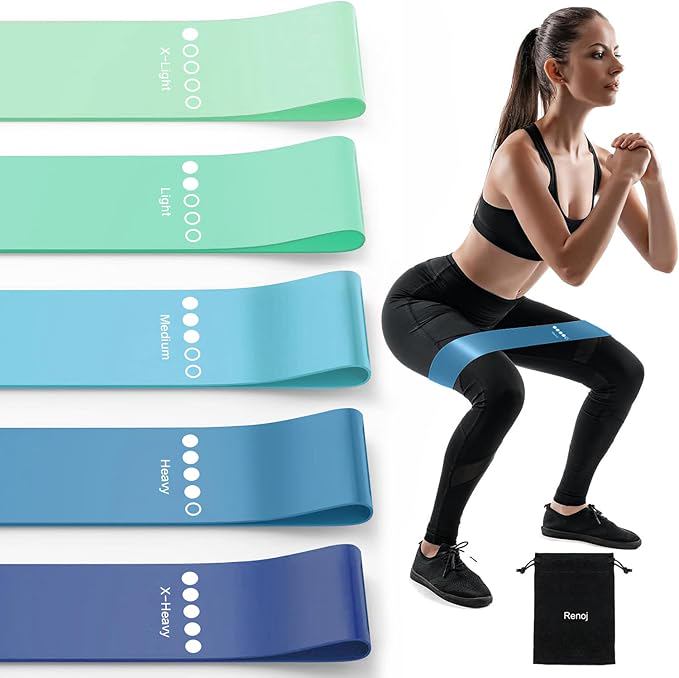
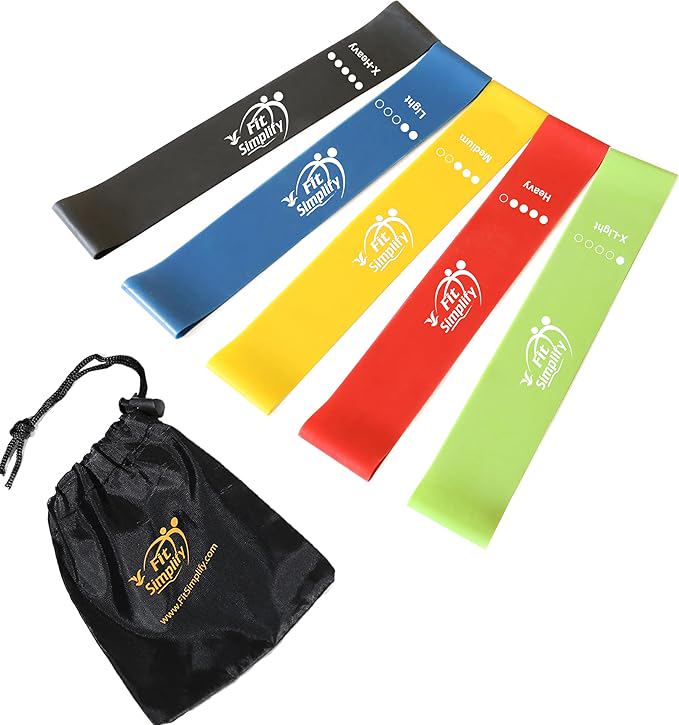
Set up a resistance band or cable at chest height. Kneel on your left knee (right foot flat on the floor in front of you) so your body forms a straight line from your left knee to your head. Hold the handle with both hands at your sternum. Brace your core (again, that gentle exhale and belly-button press).
Without letting your torso rotate, slowly push your hands straight out in front of you. Pause for a second, then pull your hands back to your chest. The movement is small—only about 6 to 10 inches. Your hips should remain square; your shoulders should stay level. Complete 8 reps, then switch sides (right knee down, left foot forward).
The sensation should be a deep, isometric burn around your entire waist, not just the front. You might feel it more on the side opposite the pull. This is a sign that your obliques and deeper core are waking up to stabilize the rotation.
Check-in: If you feel your lower back arching or your ribs flaring open, reset. You have gone too heavy or moved too far.
How to Integrate These Into Your Week
These two moves are not meant to replace a full workout. They are best done as a core activation primer at the start of a strength or yoga session, or as a standalone mindfulness break in the middle of a sedentary day. Aim for 2–3 rounds of each move on three to four days per week. After two weeks, you may notice that compound movements like squats, planks, or standing overhead presses feel more stable—your core is finally listening.
If you feel pain in your lower back—distinct from muscle fatigue—stop and consult a physical therapist. Core activation should feel purposeful and controlled, not sharp or pinching.
The Takeaway: It's a Startup Sequence, Not a Workout
Think of these two moves as the ignition key for your core engine. Without them, high-intensity movements borrow tension from your back, neck, or hip flexors. With them, you build a foundation of genuine stability. Prioritize quality over quantity; your deep core will thank you by staying awake through the rest of your day.