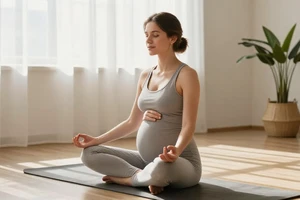

Lower back pain during pregnancy is a near-universal experience, yet it often feels isolating. As your body shifts to accommodate new life, the mechanical strain on the lumbar spine increases, and the usual relief of a good stretch can feel out of reach. You may have turned to prenatal yoga for comfort, only to find certain poses aggravate the same discomfort you are trying to soothe. This is not a sign to stop moving—it is a signal to move smarter.
The following two management strategies are rooted in biomechanics and prenatal physiotherapy. They are designed not to eliminate all discomfort—pregnancy has natural physical demands—but to give you actionable, safe ways to navigate your practice and your day with more ease and less guarded movement.
Strategy 1: Stabilize Before You Stretch
The most common pitfall in prenatal yoga for back pain is the urge to “stretch it out.” While releasing tight hamstrings or hip flexors can feel good momentarily, the real driver of pregnancy-related back pain is often ligamentous laxity and a loss of core stability. When the deep abdominal muscles (transversus abdominis) and pelvic floor are not engaging properly, the lower back muscles take over as the primary stabilizers. This leads to fatigue, spasms, and chronic ache.
Rather than leading with forward folds or deep twists, this strategy asks you to lead with engagement. The goal is to create a brace of support around the spine before moving into any range of motion.
Key principles for stability-first movement
- Find your neutral pelvis. Stand in Mountain Pose (Tadasana) with feet hip-width apart. Gently tuck your tailbone under, then release it back just slightly—settling where your low back feels neither overly arched nor flattened. This neutral position allows the core to activate naturally.
- Engage the pelvic floor and transversus abdominis. Without holding your breath, imagine gently drawing the pelvic floor up and inward (like stopping the flow of urine) and then zipping the lower belly toward your spine. This is a subtle, low-threshold engagement, not a forceful crunch. Maintain it while transitioning between poses.
- Use Cat-Cow as a stabilization drill, not a spinal flex. Instead of moving deeply into extension or flexion, keep the movement small. On the inhale, move only into a gentle, lengthened neutral spine. On the exhale, draw the navel toward the spine and tuck the chin—without dropping the lower back. This teaches your body to stabilize through movement.
A note on drills and props: A folded blanket under the knees in tabletop position can reduce compressive strain on the patella. Do not allow the belly to drop toward the floor in any prone position; always keep the abdominal wall engaged.
Strategy 2: Embrace Open-Twist and Offset Load Over Flexion and Rotation
Classic yoga often emphasizes deep forward folds and closed spinal rotations (moving the shoulder toward the opposite hip). During pregnancy, these movements can compress the already strained lumbar discs and exacerbate pelvic girdle pain. The safer, equally effective alternative is to work with open twists and offset loading—patterns that create length and mobility through the side body and hips without compressing the spine.
Practical applications of open-twist and offset-load movements
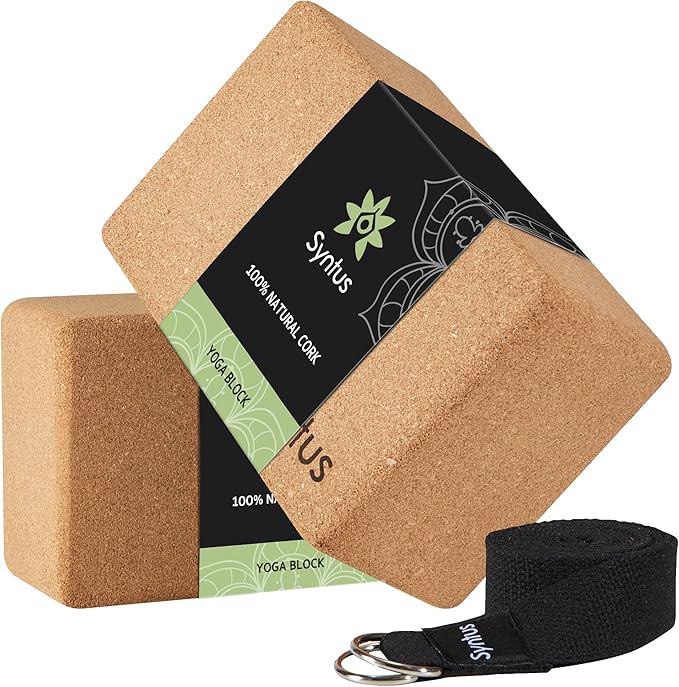
- Open seated twist (Parivrtta Sukhasana variation). Sit on a block or folded blanket to elevate the hips above the knees. Inhale, lengthen the spine. Exhale, take the right hand to the left knee and the left fingertips to the floor behind you. Keep the knees stacked (not crossed) and the twist originating from the ribcage, not the lower back. Hold for two breaths, then release and repeat on the other side. This decompresses the lumbar spine while opening the intercostal spaces.
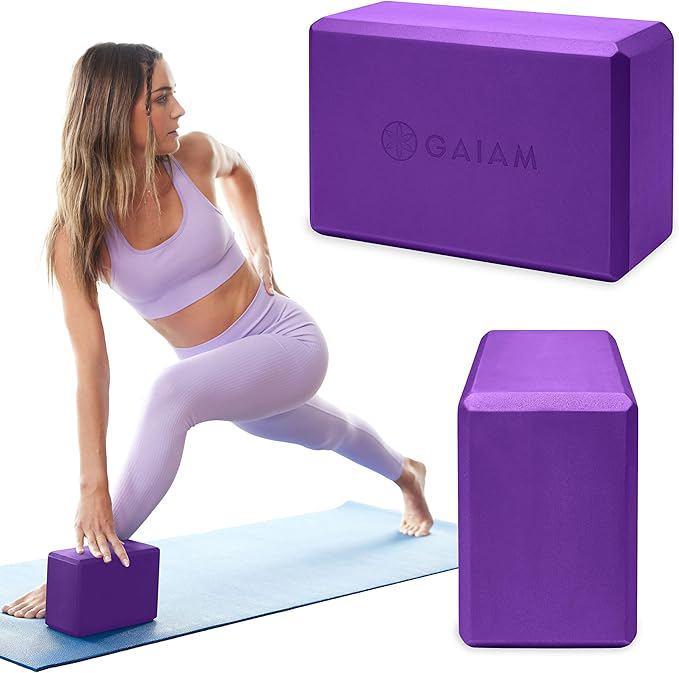
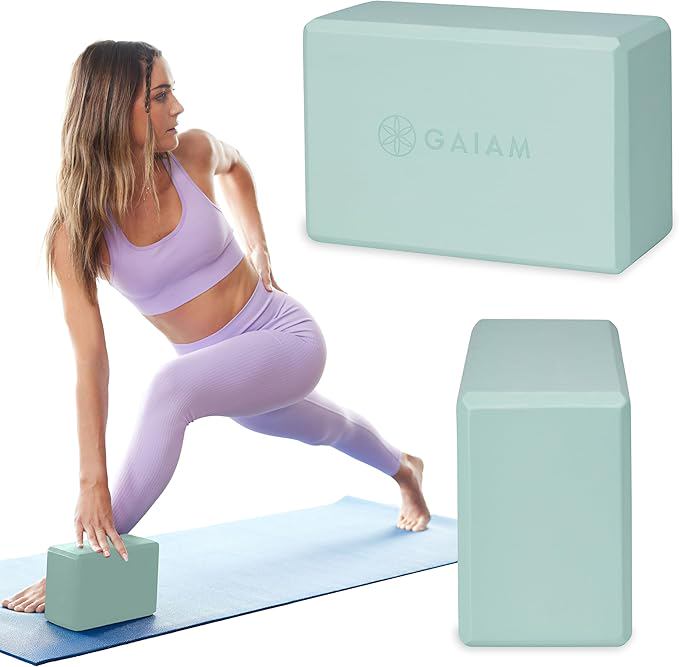
- Offset lunge with support. From a high lunge, lower the back knee to a mat or blanket. Place the hands on blocks or the front thigh. Instead of squaring the hips forward (which torques the sacroiliac joint), allow the hips to remain slightly turned toward the front of the mat. This is an offset load: the front leg bears more weight while the back leg offers balance, reducing shearing forces on the low back.
- Side-lying leg lifts (modified). Lie on your left side with knees bent at about 90 degrees. Place a folded blanket under your belly for support. Keeping the feet together, lift the top knee like a clam shell, then lower with control. This strengthens the gluteus medius—a key stabilizer for the pelvis—without loading the spine.
An important distinction: Avoid twisting from the pelvis. All rotation should feel restricted to the mid-back (thoracic spine). If you feel a pinch or sharp catch in the lower back during any twist, stop and return to neutral.
Integrating Both Strategies Into a Home Practice
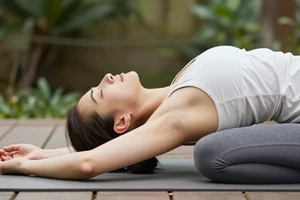
These two principles work best as a sequence: start with stabilization, then move into safe mobility, then finish with offset-load strength. A short 10-minute home practice might look like this: three minutes of Cat-Cow and pelvic tilts (stabilization), five minutes of open twists and side-lying work (mobility and strength), and two minutes in a supported Side-Lying Rest (Savasana) with a pillow between the knees and another under the belly.
The key is consistency over intensity. A calm, brief daily check-in with your body—rather than a longer, more intense weekly class—often yields better relief because it reinforces beneficial movement patterns rather than fighting against gravitational fatigue.
Remember that pregnancy-related back pain is multifactorial. These strategies address mechanical load and stability but do not replace individualized care for conditions such as sciatica, symphysis pubis dysfunction, or acute disc herniation. If you experience sharp, radiating, or unrelenting pain, or if movement triggers contractions or bleeding, consult your obstetrician or a pelvic health physical therapist before continuing any practice.