Balance is one of those things you don’t think about until it starts to slip. For many people over fifty, that wobbling sensation during a simple tree pose or standing half-moon isn’t about age alone. It’s often about two seemingly harmless daily habits that quietly undermine stability.
Here’s the good news: neither habit is permanent. Once you see them clearly, you can make small shifts that bring steadiness back into your practice—and into everyday life.
Habit #1: The Wrong Shoes (Even When You’re Not in Yoga)
What you put on your feet for the other twenty-three hours of the day directly affects how your body stabilizes on the mat. If you regularly wear shoes with thick, cushioned soles—think modern sneakers, running shoes with elevated heels, or any footwear that lifts the heel higher than the toes—you are essentially training your ankles and feet to be passive.
Over months and years, this affects the proprioception (your body’s awareness of where it is in space) in your feet. When you step onto the mat barefoot, your brain has to re-learn how to feel the ground. That delay between intention and action shows up as wobbling.
This isn’t about ditching all shoes. But consider spending more time in footwear that allows your foot to sense the ground—minimalist shoes, flat sandals, or simply walking barefoot on safe surfaces around the house. Even twenty minutes a day of barefoot standing while brushing your teeth can begin to re-awaken those small stabilizing muscles in your feet and ankles.
Habit #2: Rushing Through Transitions (Off the Mat)
The second habit has nothing to do with what you wear. It’s about pace. The way you move between activities in your daily life—standing up from a chair, turning to grab something behind you, stepping off a curb—is the same movement pattern your nervous system uses during yoga transitions. If those everyday movements are fast and unfocused, the nervous system learns a sloppy script. That script gets activated the moment you shift from downward dog to lunge.
Here is the pattern: speed without grounding. When you rush, your brain skips the step where it checks in with your center of gravity. The result is a body that is slightly ahead of its own stability.
Try this for one week: every time you stand up from a chair, pause for one breath before you take your first step. Every time you turn, pivot slowly and notice your feet. This is not meditation for its own sake. It is recalibrating your nervous system to prioritize stability over speed.
What You Can Expect When You Change These Two Habits
People who make these adjustments— swapping out cushioned shoes for some flat-foot time, and slowing down everyday transitions —typically notice changes within two to four weeks. The wobble in standing poses diminishes. Lunges feel more grounded. Even walking on uneven ground feels more secure.
It isn’t about doing more yoga. It’s about bringing the principles of yoga into the hours when you are not on the mat.
A Note About Feet and Aging
After fifty, the small muscles in the feet naturally lose some mass and responsiveness. This is a normal part of aging, but it is not inevitable decline. Research suggests that consistent barefoot stimulation—even just standing on a textured surface daily—can maintain or improve foot muscle strength and arch integrity. The feet are not doomed to be weak. They are simply under-stimulated.
If your current yoga routine emphasizes standing poses but your feet feel disconnected, the problem may not be the pose. It may be that your feet have forgotten how to talk to the floor.
Three Simple Checks Before Your Next Practice
- Check your footwear history. Have you worn supportive shoes all day? If so, spend five minutes barefoot before you start your practice. Walk around the room, roll your arches, wiggle your toes.
- Check your transition speed. Slow down the first five minutes of your practice. Instead of flowing immediately into sun salutations, stand still. Feel your breath. Let your nervous system know it has permission to be slow.
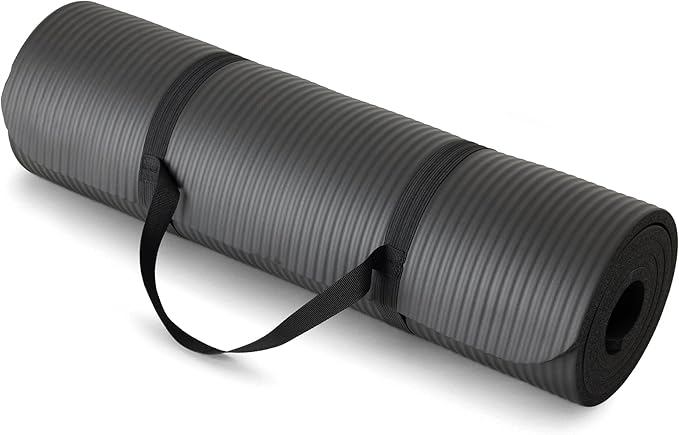
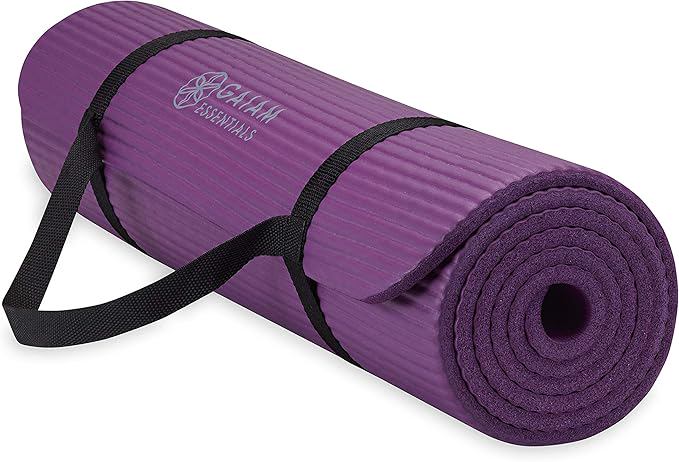
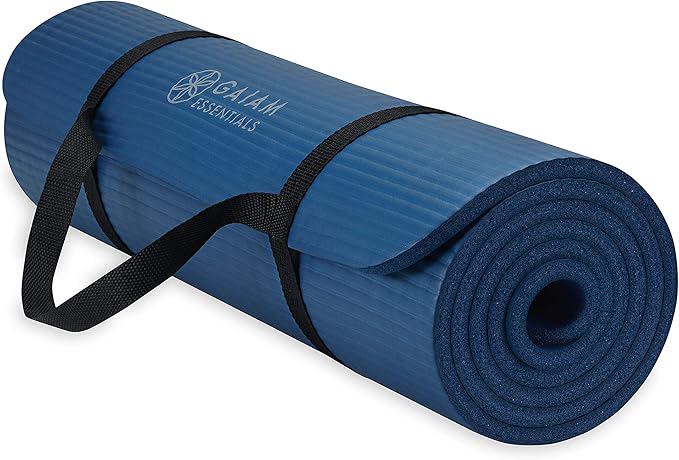
- Check your surface. If you practice on a very thick yoga mat, you are working against your balance. Thick mats feel comfortable but mute the feedback from your feet. A thinner mat or a rug provides better proprioceptive input.
Balance is not a fixed trait. It is a skill that responds to the details of how we live. The two habits that sabotage it are subtle because they are woven into the fabric of modern life. But once you recognize them, they become easy to unwind.
Your practice after fifty is not about fighting against time. It is about aligning your daily choices with the steadiness you want on the mat.