You’ve done the right thing. You’ve added more prebiotic fiber to your diet—maybe it’s a morning bowl of oats, a scoop of chicory root in your coffee, or more garlic and onions in your cooking. Your gut microbiome should be thriving. But sometimes, the expected digestive benefits (less bloating, better regularity, more stable energy) don’t show up. The culprit is often not what you’re eating, but two common daily habits that can quietly neutralize the good work your prebiotics are doing.
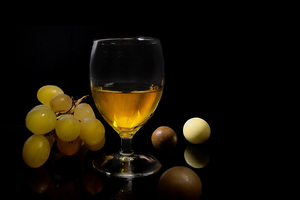
Habit #1: Reaching for a Glass of Wine or a Nightcap Too Soon After a High-Fiber Meal
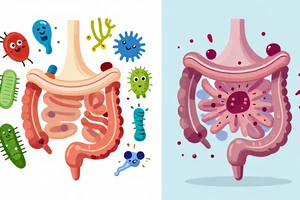
Alcohol is a well-known disruptor of the gut ecosystem. When you consume prebiotic fiber, the goal is to feed beneficial bacteria like Bifidobacterium and Lactobacillus so they can produce short-chain fatty acids (SCFAs) that reduce inflammation and support your intestinal lining. However, alcohol—even moderate amounts—can interfere with this process in two specific ways.
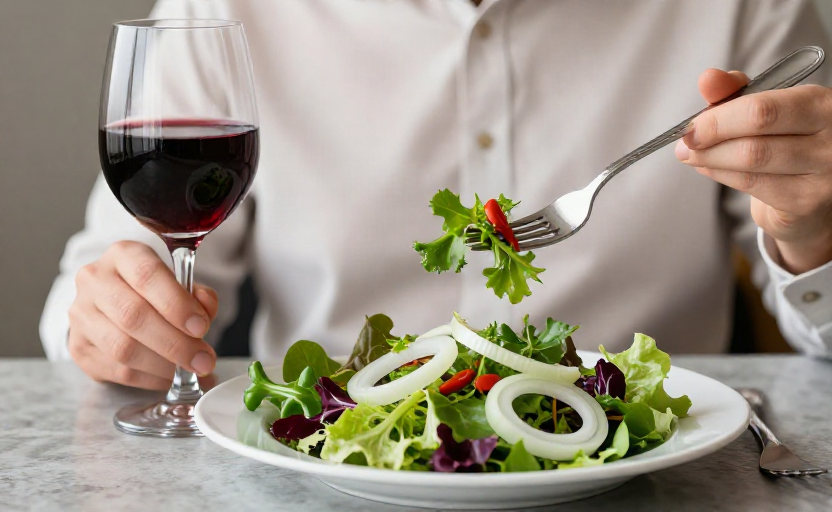
First, alcohol has direct antimicrobial properties. It doesn’t just kill bad bacteria; it can suppress the growth of the very good bacteria you’re trying to nourish. A 2018 study in Alcohol Research noted that chronic alcohol intake alters the composition of the gut microbiome, reducing beneficial bacterial populations. If you have a glass of wine or a cocktail shortly after your prebiotic-rich dinner, you may be essentially hitting a “pause” button on fermentation just as it begins.
Second, alcohol can damage the integrity of the gut lining itself. Prebiotics work partly by strengthening the intestinal barrier. Alcohol does the opposite—it can increase intestinal permeability (commonly called “leaky gut”), which undermines the structural benefits of the SCFAs your prebiotics help create.
What to do instead: Give your gut a buffer. Aim for at least 2–3 hours between finishing a high-fiber meal and your first drink. If you drink regularly, consider cutting back to occasional use for your gut health goals to fully take effect.
Habit #2: Taking Certain Medications Right Alongside Your Prebiotic-Rich Foods
This habit is much less obvious, and it’s often overlooked. The primary offenders here are common over-the-counter medications, specifically proton pump inhibitors (PPIs) for acid reflux and some antibiotics. These medications can create an internal environment that is hostile to the fermentation process.
How Antacids and PPIs Interfere
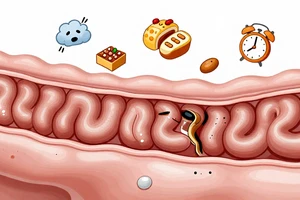
Prebiotic fiber ferments in the lower gut, but the process begins with the acidity of your stomach. Stomach acid helps break down fiber and sets the stage for fermentation. PPIs work by drastically reducing stomach acid. When you take a PPI first thing in the morning and then drink your prebiotic smoothie or eat your oatmeal, the fiber passes through a high-pH stomach environment and reaches the colon less prepared for fermentation. Over time, this can reduce the diversity and activity of your gut bacteria. A 2020 review in Clinical Gastroenterology and Hepatology linked long-term PPI use with shifts in the microbiome that favor less beneficial species.
How Antibiotics Disrupt the Balance
Antibiotics aren’t selective; they kill a broad spectrum of bacteria, including the beneficial ones you are actively trying to feed with prebiotics. If you are on a course of antibiotics for an infection, your prebiotic intake is largely wasted during that period because the target bacteria are being suppressed. The fiber will still pass through, but it won’t be fully fermented, and you may experience increased gas and bloating without the positive outcomes.
What to do instead: Time your medications away from your fiber intake. For PPIs, take them 30–60 minutes before breakfast, but wait at least an hour after your morning prebiotic if possible. For antibiotics, space them at least two hours away from high-fiber meals. More importantly, continue the prebiotics after the course ends to help rebuild the microbiome.
Why These Habits Matter More Than You Think
Prebiotic fiber is not a magic bullet. It requires a cooperative environment. Your gut bacteria are like a garden; you can water and fertilize it (prebiotics), but if you also pour weed killer (alcohol) or change the pH of the soil (PPIs) at the wrong time, you won’t see growth. Many people increase their fiber intake expecting immediate relief from digestive issues, only to feel frustrated when nothing changes—or when things get worse.
The key point is that timing and context matter. You don’t have to give up alcohol entirely or stop taking necessary medications. But you do need to be strategic about when you consume them relative to your prebiotic-rich foods.
Simple Strategies to Preserve Your Prebiotic Benefits
- Create a window: After a high-fiber meal, avoid alcohol and antacids for at least two hours.
- Hydrate with water: Instead of reaching for a post-dinner drink, try a sparkling water with lemon or herbal tea. Both support hydration, which is essential for fiber to work properly.
- Check your medication timing: Review when you take PPIs or antibiotics with your doctor. Ask about taking them at bedtime, away from dinner, if that is safe for your condition.
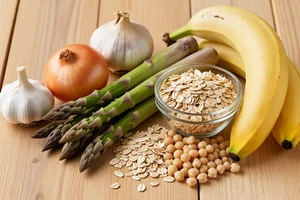
- Focus on whole foods: Prebiotics from food sources (garlic, onions, bananas, oats, asparagus) may be more resilient than isolated supplements, because the fiber matrix is more complex.
When to Reassess Your Approach
If you’ve eliminated these two conflicting habits and still don’t feel better after several weeks, something else may be going on. Everyone’s gut microbiome is unique. Some people have a lower baseline of beneficial bacteria and may need more time for prebiotics to take effect. Others may have underlying conditions such as small intestinal bacterial overgrowth (SIBO) or IBS that require a more tailored dietary approach.
The smartest next step is to keep a simple journal for two weeks: note when you eat fiber-rich foods, when you drink alcohol, and when you take any medications. Patterns often emerge that are invisible to casual observation. If you consistently feel bloated or heavy after prebiotics, your specific gut bacteria may not be able to handle certain types of fiber yet. In that case, start with smaller amounts and gradually increase.
Ultimately, prebiotics are a powerful tool, but they work best in a supportive environment. By breaking just these two habits—or more precisely, by rescheduling them—you can unlock the real benefits of the healthy choices you are already making.