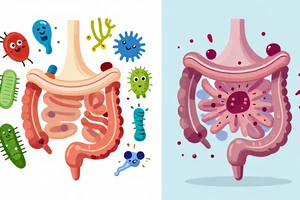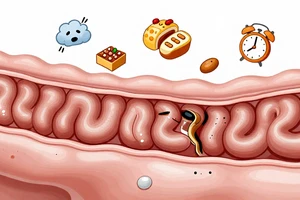

You have committed to the ritual—a spoonful of tangy kimchi with lunch, a glass of effervescent kombucha in the afternoon, maybe even a morning bowl of yogurt topped with live-culture granola. You are feeding your gut the friendly bacteria it craves. Yet, despite your best efforts, you still feel bloated, sluggish, or just... off. The culprit is not a lack of probiotics. It is how you are handling them.
Probiotics are living organisms, and they are surprisingly fragile. Treating them like shelf-stable staples is the quickest way to render your gut-health regimen useless. Here are the two most common missteps that sabotage your hard work—and how to fix them today.
Mistake #1: Heat—the silent probiotic killer
This is the single biggest offender. Probiotic bacteria are temperature-sensitive. When you expose fermented foods or supplements to high heat, you are effectively pasteurizing them right in your kitchen. The friendly microbes die, and all you are left with is a tasty but dead snack.
The problem often hides in plain sight. You might buy a jar of raw sauerkraut, bring it home, and store it next to the back wall of your refrigerator—which is often the warmest spot. Or you might cook with your probiotic foods, adding kimchi to a hot stir-fry or stirring yogurt into a steaming soup. Once heat hits about 115°F (46°C), bacterial die-off begins rapidly.
The fix: Treat live-culture foods like fresh produce, not pantry goods.
- Store them in the coldest part of your fridge—usually the crisper drawer or the back of the middle shelf. Check the temperature with a small appliance thermometer; aim for 33–38°F.
- Add fermented foods after cooking. Make your stir-fry, let it cool slightly, then toss in the kimchi or sauerkraut as a finishing garnish. The same goes for yogurt or kefir in soups—stir them in off the heat, just before serving.
- Watch your commute. If you buy live-culture foods at the store, get them home quickly. Leaving them in a hot car for an hour on a summer day can compromise the culture before it ever reaches your fridge.
Mistake #2: Pairing probiotics with the wrong enemies
Even if you keep your microbes alive and cold, you might be killing them off at the table. Probiotics need a friendly environment to survive their trip through your stomach acid and into your intestines. Certain common ingredients act as natural assassins.
The stomach acid trap
Your stomach is a highly acidic environment designed to kill pathogens. Probiotics are tougher, but they can be overwhelmed. The best way to help them survive? Timing and a buffer.
The fix: Eat your probiotics with a meal or just before one, not on an empty stomach. Food buffers stomach acid, giving the friendly bacteria a better chance to pass through alive. A spoonful of sauerkraut on your sandwich works better than a shot of kombucha first thing in the morning.
The acid & spice ambush
It sounds counterintuitive: probiotic foods are often tangy or vinegary. But a very high-acid environment—think downing a glass of apple cider vinegar or lemon water immediately after your probiotic food—can lower the pH too far, harming the microbes. Similarly, extremely spicy foods or excessive alcohol can irritate the gut lining and destabilize the microbiome just as you are trying to restore it.
The fix: Space out strong acids and irritants by at least 30 minutes from your probiotic foods. If you love a lemon-ginger shot in the morning, have it first, wait half an hour, then eat your yogurt or kefir. Your probiotics are not a chaser; they are the main event.
The vinegar contradiction
Many fermented pickles and relishes are pickled in vinegar brine, not naturally fermented in salt brine. This is a confusing label trap. Vinegar-based pickles (the kind you usually find on grocery store shelves) are not probiotic. The vinegar kills the live cultures. A quick label check will save you from eating dead food.
The fix: Look for “live cultures,” “raw,” or “naturally fermented” on the label. If it says “pasteurized” or lists vinegar as a primary ingredient before salt, the probiotic benefits are likely gone.
The quick gut-check: Before you eat that probiotic food, ask yourself two questions. Is it cold? And is it about to sit next to vinegar or spice? One yes to the wrong thing and you have just wasted your bacteria.
Making your probiotic efforts count
You do not need to overhaul your entire diet. These are two small, precise adjustments—not major life changes. Keep your fermented foods cold, and keep them away from heat, strong acids, and your scalding stovetop. By removing these two common saboteurs, every spoonful of kraut and every sip of kefir actually delivers the living, working bacteria your gut microbiome is waiting for.



![[10-Pack] Glass Meal Prep Containers with Lids, MCIRCO Food Storage Containers with Snap Locking Lids, Airtight Lunch Containers, Microwave, Oven, Freezer and Dishwasher](https://www.glowtheorylab.com/uploads/ad202604/141a61456fdd8860.webp)