You've heard the buzz about prebiotic fiber. Maybe you bought the powder, the gummies, or started loading up on chicory root and raw garlic. You did the right thing—you're trying to feed your gut microbiome. But then came the bloating, the gas, or just zero noticeable change. What gives?
More often than not, the problem isn't the prebiotic itself; it's how you're bringing it into your life. Adding fiber to your diet is a smart move for gut health, but two very common mistakes can turn a good habit into a stomach-aching regret. Let's fix them before your next spoonful.
Mistake #1: Going from zero to sixty in one day
The single most frequent error is ramping up prebiotic fiber intake too fast. Your gut bacteria are like a community that's been eating a standard Western diet. They're not used to large amounts of fermentable fiber. When you suddenly flood your system with inulin from supplements or a huge bowl of lentils, your gut microbes throw a party—and that party produces gas, bloating, and cramping.
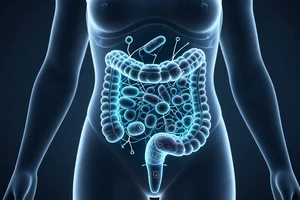
Prebiotics work by fermenting in the colon. That fermentation is normal and healthy, but it generates gas as a byproduct. The key is gradual introduction. Your gut microbiome needs time to adapt and grow the right bacterial populations to handle the new fuel. If you've ever started a fiber supplement and felt like a hot air balloon, this is why.
Slow and steady wins the gut-health race. Increase fiber intake by no more than 3–5 grams per week to let your system adjust without drama.
Another part of this mistake is forgetting to hydrate. Fiber, especially the insoluble kind, acts like a sponge in your digestive tract. Without enough water, it can bulk up and cause constipation instead of the smooth sailing you were hoping for. Drink extra water any time you add more fiber to your meals or shakes.
Mistake #2: Choosing the wrong prebiotic source for your gut
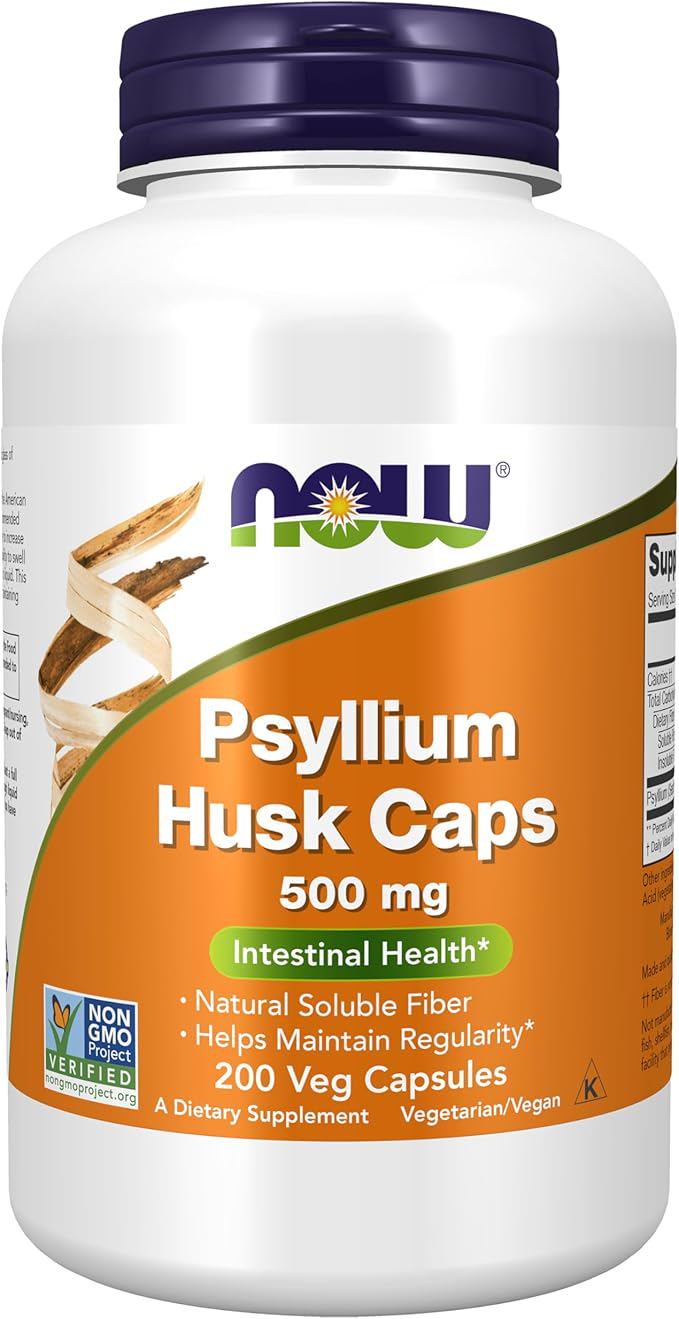
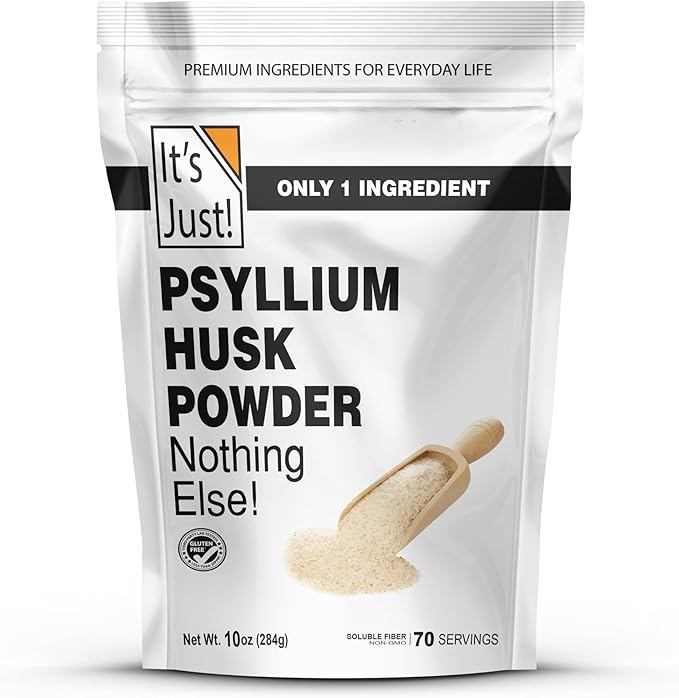
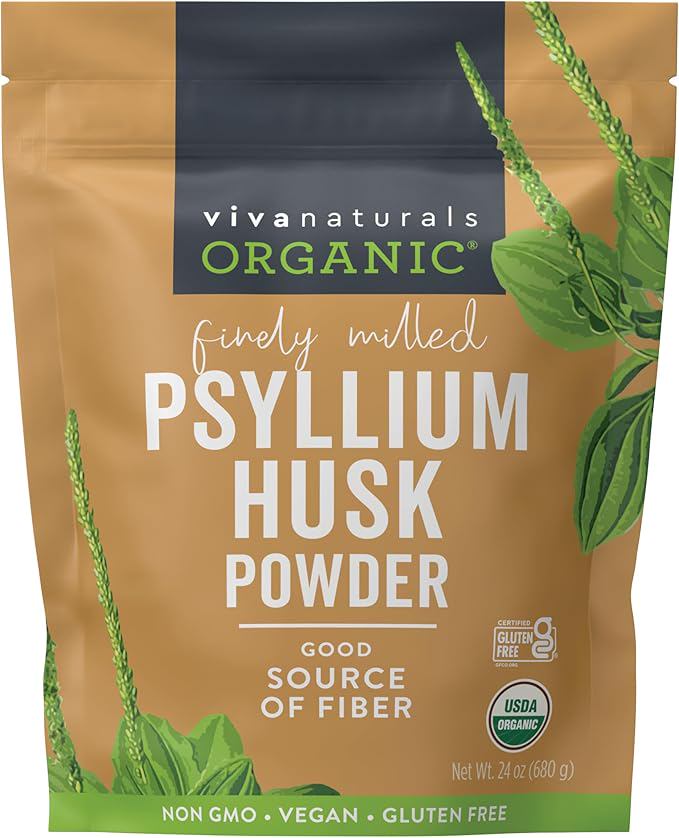
Not all prebiotics are created equal, and your gut has its own preferences. The second common mistake is assuming that any "high-fiber" or "prebiotic" label will do the trick. Different prebiotic fibers feed different types of bacteria. Some people thrive on inulin from chicory root, while others find it wildly inflammatory or gassy. Some do better with acacia gum, psyllium, or resistant starch from cooked and cooled potatoes.
Here's the nuance: if you have a sensitive gut or a condition like Irritable Bowel Syndrome (IBS), high-FODMAP prebiotics like inulin and fructooligosaccharides (FOS) can trigger significant discomfort. Just because something is "natural" or "gut-healthy" doesn't mean it's right for your bacteria right now.
How to find your match
- Start low and slow with one source—say, 1 teaspoon of acacia powder or a small serving of cooked oats.
- Keep a simple symptom log for 3–5 days. Notice bloating, gas, stool changes, or energy shifts.
- Try a different source if the first one causes consistent discomfort. For example, switch from chicory root inulin to green banana flour (resistant starch) or psyllium husk.
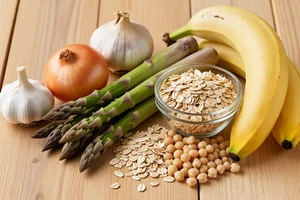
- Consider diversity over volume. You don't need a huge dose of one prebiotic; eating a variety of plant foods (onions, garlic, leeks, asparagus, oats, flaxseeds) gives your bugs a broader buffet.
The bigger picture: prebiotics are not a magic bullet
Finally, a gentle reality check. Prebiotic fiber is a tool, not a cure-all. It works best as part of a balanced diet that also manages stress, sleep, and overall food quality. You can't out-supplement a diet of ultra-processed foods and expect your gut to transform overnight.
When you avoid these two mistakes—ramping up too fast and choosing the wrong type—you set yourself up for a gentle, sustainable improvement in digestion, immunity, and even mood. Your gut will thank you with less bloating and more regularity. And that's the whole point, isn't it?