You crushed a push-up session or a vinyasa flow, and now your wrist is talking to you—maybe a dull ache, a sharp stab when you move it a certain way, or just that nagging feeling that something isn't right. If you're new to working out, it's easy to wonder: is this just muscle soreness adjusting to the load, or did I actually overdo it? The answer matters because how you handle the next few days will either help your wrist recover or set you back.
Let's walk through the common reasons wrists hurt after exercise, the key signs that separate normal soreness from something that needs a break (or a doctor's visit), and what you can do about it right now. No jargon, no panic—just a practical framework for a beginner.
Why does my wrist ache after a workout?
Your wrist is a complex joint built for mobility, not heavy load-bearing. When you put weight on it—think planks, push-ups, downward dog, or even lifting dumbbells—the small bones, ligaments, and tendons get stressed. Here are the most common culprits for post-workout wrist discomfort:
- Deconditioning and muscle fatigue. If you haven't exercised in a while, the muscles that stabilize your wrist (especially the flexors and extensors) may fatigue quickly. That fatigue translates into inflammation and stiffness.
- Poor form or alignment. Placing your hands too far forward, letting your wrists bend into a sharp 90-degree angle, or having your fingers point inward can all compress the joint. Over time (or even in one heavy session), this strain becomes pain.
- Tight forearm muscles. The muscles that control your fingers and wrist run through your forearm. After a tough workout, those muscles can get tight and pull on the tendons that cross your wrist, causing a deep ache.
- Ligament sprain or tendonitis. This is the line between soreness and injury. If you've stretched or torn a ligament (a sprain) or inflamed a tendon (tendonitis), the pain will be sharper, more localized, and linger longer than general muscle soreness.
How to tell the difference between soreness and injury
This is the core question for any beginner. Here's a simple checklist you can run through when you notice the pain:
Signs that point to normal soreness
- The pain is a dull ache or general stiffness, not a sharp or stabbing sensation.
- It appears 12–24 hours after your workout (this is called delayed onset muscle soreness, or DOMS).
- It feels better after gentle movement or light heat.
- There is no swelling, bruising, or visible deformity.
- The pain is roughly the same on both wrists (if you did a bilateral exercise).
Signs that point to a possible injury
- The pain is sharp, sudden, or happens during a specific movement (like twisting your hand or putting weight on it).
- It hurts intensely when you press on a specific spot, like the base of your thumb or the bony bump on the pinky side of your wrist.
- There is visible swelling, redness, warmth, or bruising.
- You feel a popping, clicking, or grinding sensation.
- Your range of motion is limited—you can't fully bend your wrist, grip an object, or make a fist.
- The pain doesn't fade after 3–5 days of rest or gets worse with activity.
A helpful rule of thumb: If the pain stops you from doing everyday activities (like holding a coffee mug, typing, or pushing up from a chair), treat it as an injury until proven otherwise.
Common beginner wrist injuries to know about
While a full diagnosis is for a doctor, understanding what might be going on helps you take the right steps. Three conditions are especially common among active beginners:
- Wrist sprain. Overstretching or partially tearing a ligament. You'll feel pain on one side of the wrist, and movement will be limited. Rest is the primary treatment.
- De Quervain's tenosynovitis. Inflammation of the tendons on the thumb side of your wrist. It causes pain when you make a fist, grip something, or turn your hand. This is common in new mothers and people who start heavy gripping work (like pull-ups).
- Ganglion cyst. A fluid-filled sac that forms on the wrist joint. It often shows up as a visible bump and may cause pain when you bend your wrist. Most are harmless, but if it hurts, see a provider.
What to do right now (if you're sore)
If you've checked your symptoms and they sound like normal soreness, here's how to help your wrist feel better and get stronger:
- Rest for 24–48 hours. Avoid putting weight on your wrists. Use your knuckles, fists, or push-up bars for floor work, or switch to exercises that don't load the wrist (like seated cable rows or leg presses).
- Use ice or heat. Ice is best for acute pain or swelling (apply for 15 minutes, wrapped in a towel). Heat is better for stiffness and soreness (use a warm compress or soak in warm water). Listen to what feels good to you.
- Gentle stretches. Once the sharp pain is gone, try slow wrist flexor and extensor stretches: extend your arm in front of you, palm up, and gently pull your fingers toward the floor with your other hand. Hold for 20 seconds, then repeat on the other side.
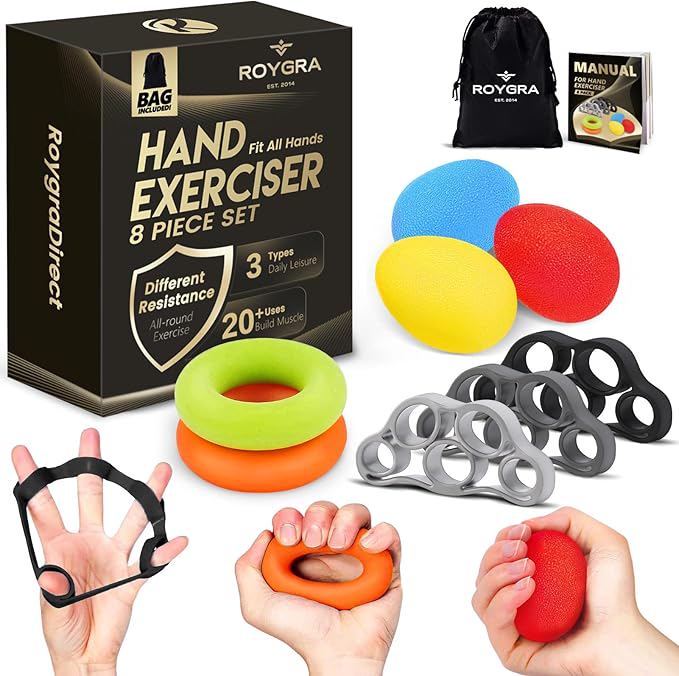
- Strengthen your forearms. Weak forearms lead to wrist pain. Start with light resistance—squeezing a soft stress ball, doing wrist curls with a 1–2 lb dumbbell, or using a resistance band for finger extensions.
When to call a doctor
You don't need to rush to urgent care for every ache, but do seek medical attention if:
- The pain is severe enough to wake you up at night.
- You cannot move your wrist or grip anything at all.
- There is an obvious deformity or a lump that appeared suddenly.
- Your fingers are numb, tingling, or look pale/cool to the touch.
- Pain lasts more than 10 days despite rest.
A physical therapist or sports medicine doctor can assess your range of motion, stability, and strength—and give you a personalized rehab plan. They can also check if your workout form is putting you at risk.
Preventing wrist pain in future workouts
Good news: most wrist pain is avoidable with a few tweaks to your routine.
- Warm up your wrists. Before any workout, take 30 seconds to circle your wrists, make loose fists and open your fingers wide, and do gentle wrist flex/extend stretches.
- Adjust your hand position. In push-ups and planks, spread your fingers wide for base support, and keep your wrists straight (neutral) rather than bent backward at a sharp angle. In yoga, press through your entire hand—not just the heel.
- Use equipment. Push-up handles, yoga wedges, or even a rolled towel under your palms can reduce the angle at your wrist and decrease strain.
- Progress gradually. If you're new to a movement—say, handstands or burpees—build up over weeks, not days. Your wrists need time to adapt to load-bearing.
Your wrist is a smart messenger. It tells you when you're pushing too hard too fast, or when your form needs attention. Learning to read that message—and knowing the difference between a complaint and a cry for help—will keep you moving safely and confidently. Soreness is a sign of growth; injury is a sign to pause. Trust your body, but give it the rest and respect it asks for.