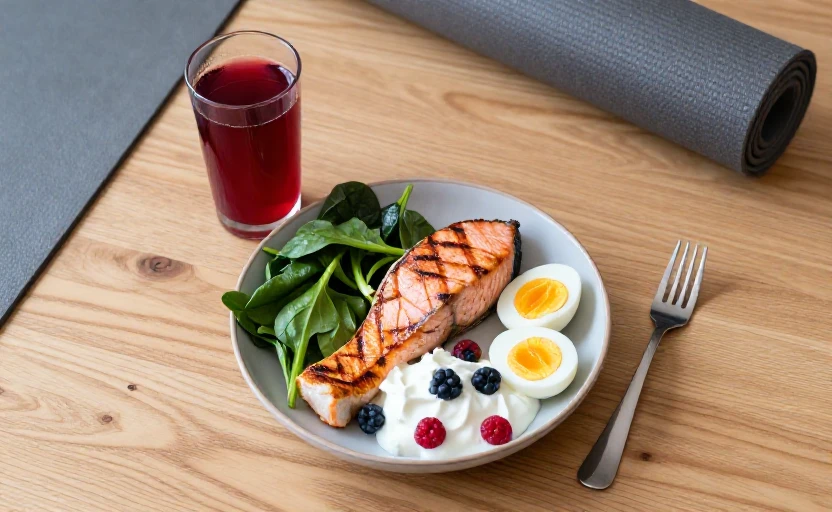
You’ve just finished a solid core workout. Your abs are feeling the burn, and you’re proud of the effort. But what you do next—specifically, what you put on your plate—can make a significant difference in how well those muscles repair, strengthen, and prepare for your next session. Nutrition isn’t just fuel for the workout; it’s the essential building material for the recovery that follows.
When we talk about core strength, we’re referring to far more than just a six-pack. This central pillar includes your deep abdominal muscles, obliques, lower back, and pelvic floor. Strengthening this complex system improves posture, stability, and power in every movement. To build it effectively, these muscles need specific nutrients to repair the micro-tears caused by exercise, reduce inflammation, and rebuild stronger than before.
The right foods support this process directly. They provide the protein for muscle synthesis, the anti-inflammatory compounds to ease soreness, and the key minerals that facilitate muscle contraction and relaxation. Focusing on core-strengthening foods means choosing items that deliver these benefits efficiently, turning your post-workout meal into a targeted recovery tool.
What makes a food “core-strengthening”?
Not all healthy foods are created equal when it comes to muscle repair. The most effective choices for post-workout core recovery typically share a few key traits. They are excellent sources of high-quality, complete protein, which supplies the amino acids that are the literal building blocks of new muscle tissue. They also often contain magnesium and potassium, two minerals crucial for proper muscle function that are depleted through sweat. Finally, many possess natural anti-inflammatory and antioxidant properties to help manage the oxidative stress induced by exercise and speed up the reduction of muscle soreness.
Think of your post-workout meal as the construction phase after the demolition of your workout. You need the right materials to build back stronger.
With that framework in mind, here are five foundational foods that deliver these core-supporting nutrients in a powerful, synergistic way.
1. Fatty Fish (Salmon, Mackerel, Sardines)
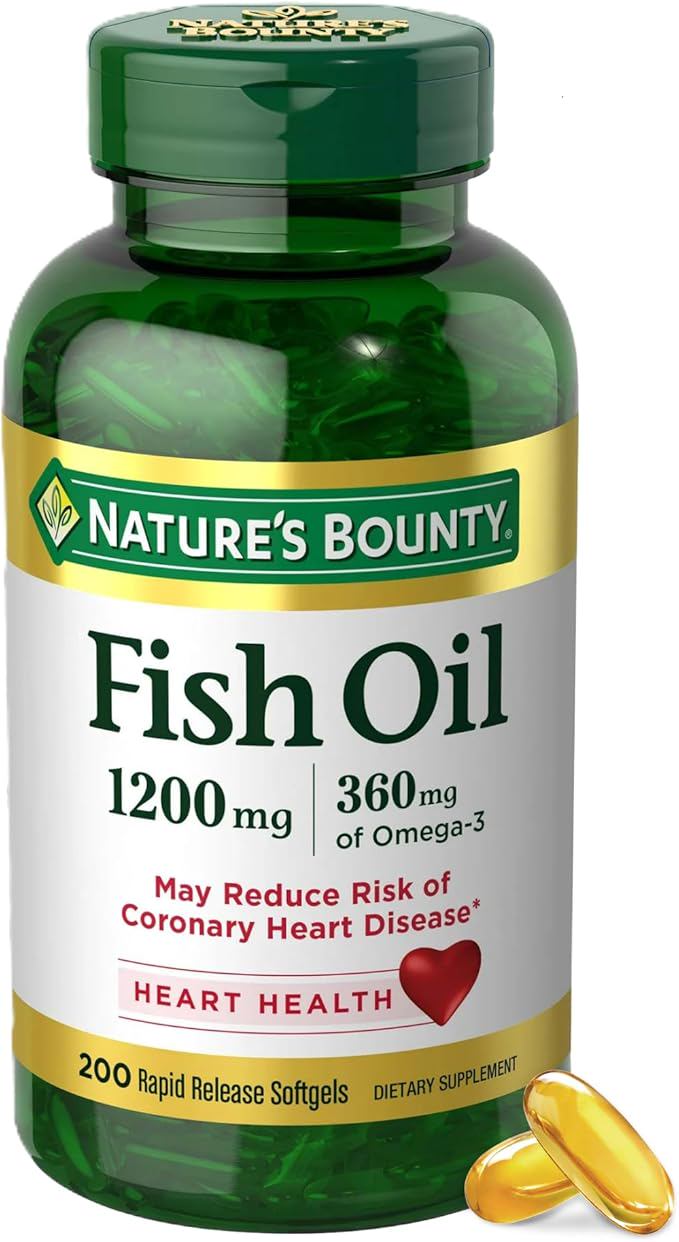
Fatty fish is a recovery powerhouse, and for good reason. It’s a top-tier source of complete protein, necessary for repairing the muscular damage done during your planks, leg raises, or Russian twists. But its standout feature for core recovery is its rich concentration of omega-3 fatty acids, specifically EPA and DHA.
These fats are potent anti-inflammatories. Intense core work creates inflammation in the muscle tissue—a normal part of the strengthening process—but excessive or prolonged inflammation can delay recovery and increase soreness. The omega-3s in fatty fish help modulate this inflammatory response, potentially reducing muscle stiffness and getting you back to feeling ready faster. Furthermore, a strong core relies on a healthy back, and the anti-inflammatory effects can also support the joints and connective tissues in your spine.
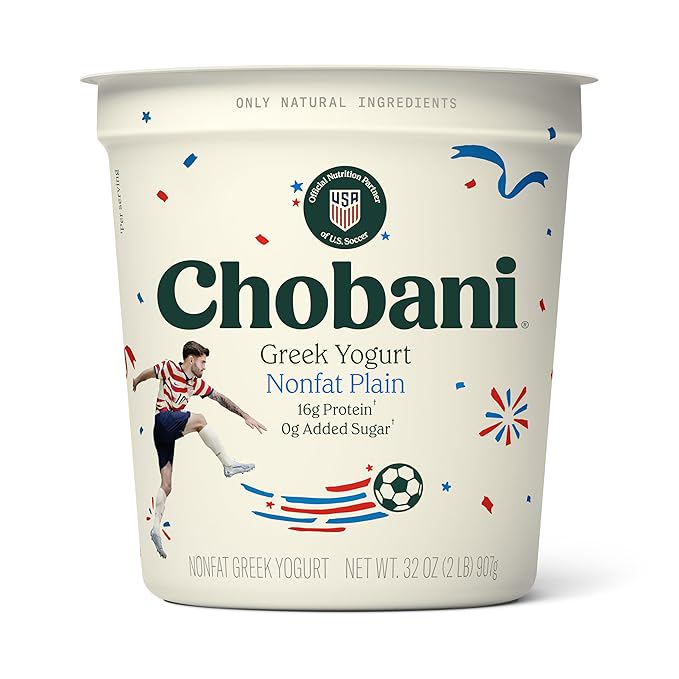
2. Plain Greek Yogurt or Skyr
This dairy staple is a classic for muscle recovery, and it’s particularly useful for your core. Greek yogurt and its even thicker Icelandic cousin, skyr, are packed with casein protein—a slow-digesting protein that provides a steady, prolonged release of amino acids into your bloodstream. This is ideal for the extended recovery period after a workout, offering a continuous supply of building material for muscle repair throughout the day or even overnight.
It’s also an excellent source of calcium. While we often associate calcium with bones, it plays a vital role in muscle contraction. Every movement of your abs, from a gentle brace to a full crunch, relies on calcium signaling. Ensuring adequate intake supports the very function you’re trying to improve. Opt for the plain, unsweetened varieties to avoid added sugars that can promote inflammation, and add your own flavor with berries or a drizzle of honey.
3. Leafy Greens (Spinach, Kale, Swiss Chard)
Popeye was onto something. Dark leafy greens are loaded with nutrients that directly aid muscle recovery and function. They are fantastic sources of magnesium, a mineral that acts as a natural muscle relaxant. After your core muscles have been contracting intensely, magnesium helps them ease out of that state, reducing the potential for cramps and tightness. Many people are mildly deficient in magnesium, and exercise increases the body’s demand for it.
Additionally, greens like spinach are rich in nitrates. These compounds have been shown to improve blood flow and enhance muscle efficiency. Better circulation means more oxygen and nutrients are delivered to your recovering core muscles, and metabolic waste products are cleared away more efficiently. The high levels of antioxidants and vitamin C in kale and chard further combat exercise-induced oxidative stress.
4. Eggs
Eggs are a near-perfect recovery food, offering a complete package in a simple form. They provide all nine essential amino acids in the ideal ratios for human muscle protein synthesis, making their protein highly bioavailable for repairing your core. The leucine content in eggs is especially noteworthy, as this amino acid is a key trigger for initiating the muscle repair process.
Don’t discard the yolk—that’s where a wealth of supporting nutrients lives. The yolk contains vitamin D, which is increasingly linked to muscle strength and function, and choline, a nutrient that supports nerve signaling to your muscles. The healthy fats in the yolk also aid in the absorption of fat-soluble vitamins that contribute to overall muscular health. Whether scrambled, poached, or in an omelet with those leafy greens, eggs are a versatile and effective post-core-workout choice.
5. Tart Cherries or Tart Cherry Juice
This one might come as a surprise, but tart cherries have earned a strong reputation in athletic recovery circles. They are celebrated for their exceptional anti-inflammatory and antioxidant properties, primarily from compounds called anthocyanins. Research has consistently shown that consuming tart cherry juice before and after strenuous exercise can significantly reduce muscle soreness and strength loss in the days that follow.
For your core workout, this means the deep soreness that can make sitting up or laughing a challenge the next day may be lessened. This allows for better maintenance of daily movement patterns and a quicker return to your next training session. A small glass of unsweetened tart cherry juice after your workout or a handful of frozen tart cherries blended into a smoothie can be a potent, natural recovery aid.
How to Integrate These Foods After Your Workout
The goal is to combine these elements into a balanced meal or snack consumed within the hour or two after you finish training. This window is when your muscles are most receptive to nutrients for repair and replenishment.
Think in terms of combinations: pair a protein source with a colorful array of plants. For example, a fillet of salmon with a large side of sautéed kale and a sweet potato. A vegetable omelet made with spinach and a side of avocado. A bowl of plain Greek yogurt topped with tart cherries and a sprinkle of nuts. Even a simple smoothie with Greek yogurt, a handful of spinach, frozen tart cherries, and a splash of milk or water can cover multiple bases efficiently.
Hydration is the silent partner in this process. Water is essential for every metabolic function, including nutrient transport and muscle repair. Pair your core-strengthening meal with plenty of fluids, especially if you’ve sweated heavily.
Ultimately, strengthening your core is a long-term project built in the gym and the kitchen. By consistently choosing foods that directly support muscle repair, reduce inflammation, and provide key functional nutrients, you’re not just recovering from your last workout—you’re actively laying a stronger foundation for the next one.