
You’ve carved out the time, found the energy, and completed your workout. That feeling of accomplishment is real, especially in the postpartum season when time and energy are precious commodities. Now, the focus shifts to recovery—a process that’s about more than just easing muscle soreness. It’s about nourishing the incredible work your body just did and, crucially, supporting the ongoing demands of postpartum healing and, if you’re nursing, milk production.
What you eat in the window after exercise can significantly influence how you feel, how quickly you bounce back, and how well your body is fueled for the hours (and often sleepless nights) ahead. The goal isn’t complexity; it’s strategic, gentle nourishment.
Why Postpartum Recovery Nutrition Is Different
Your body is in a unique phase. Beyond repairing muscle tissue and replenishing energy stores from your workout, it may still be healing from pregnancy and birth, and it could be using significant resources to produce breast milk. This means your nutritional needs are heightened. The right post-workout foods do double duty: they aid muscle recovery and help meet these additional physiological demands.
Think of your postpartum workout as an investment in your strength and well-being. The recovery meal is the essential follow-through that protects that investment and ensures your body has the building blocks it needs.
The Three Foundational Foods for Post-Workout Recovery
These aren’t exotic or difficult-to-find ingredients. They’re simple, whole foods that deliver a powerful combination of what your body craves after exertion: protein for repair, carbohydrates for replenishment, and fluids for rehydration.
1. Quality Protein (Like Greek Yogurt or Eggs)
Protein provides the amino acids necessary to repair the microscopic tears in muscle fibers caused by exercise. This repair is what ultimately makes you stronger. For postpartum recovery, adequate protein is also vital for tissue healing and is a key component of breast milk.
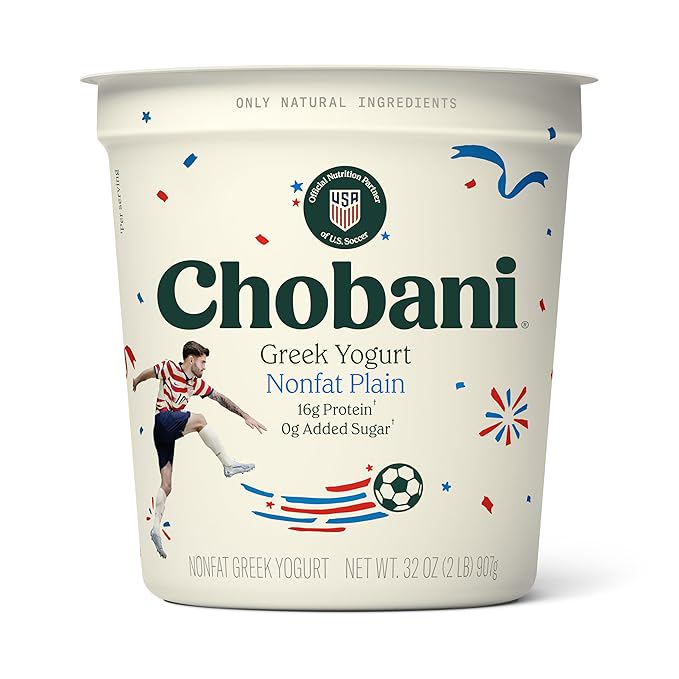
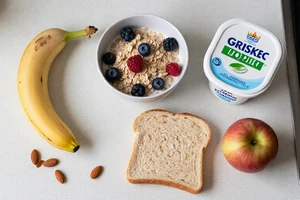
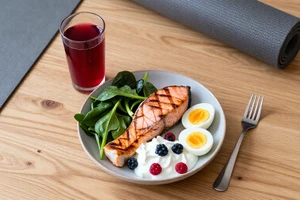
A quick, digestible source of protein after your session helps kickstart this repair process. Greek yogurt is an excellent choice—it’s rich in protein, contains calcium, and is easy to eat. Pair it with some berries, and you’ve added antioxidants and carbs. Two hard-boiled eggs are another portable, complete protein option. If you prefer a plant-based route, a small serving of lentils or a scoop of nut butter can work well.
Focus on including about 15-25 grams of protein in your recovery window to optimally support muscle repair.
2. Complex Carbohydrates (Like Sweet Potato or Oatmeal)
Carbohydrates often get a bad rap, but after a workout, they’re your friend. Your muscles use glycogen (stored glucose) for fuel during exercise. Replenishing these stores helps restore energy, reduces fatigue, and actually helps your body utilize that protein for repair more effectively.
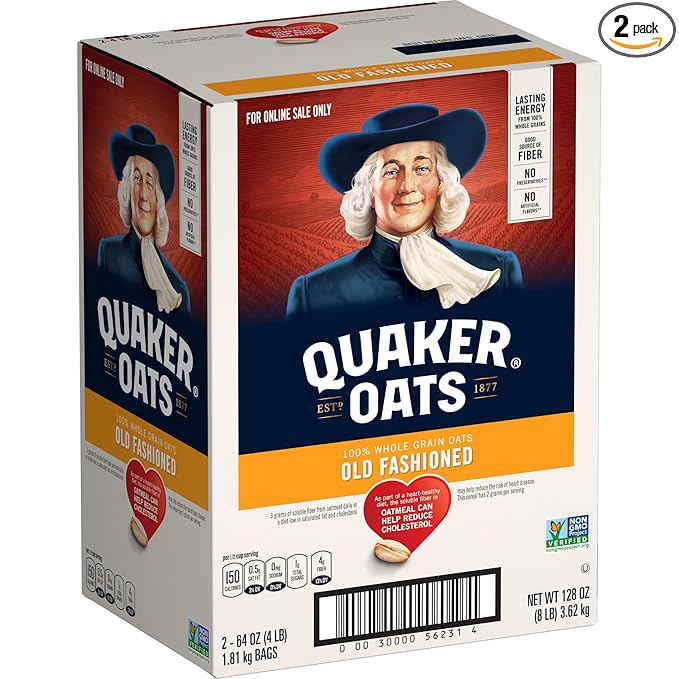
Choosing complex carbohydrates means you’ll get sustained energy, along with fiber and nutrients. A small baked sweet potato is a powerhouse of vitamins and complex carbs. Oatmeal is another fantastic, comforting option that also contains compounds which may support lactation for nursing mothers. Even a slice of whole-grain toast provides a solid base.
3. Hydrating Fluids (Water & Electrolyte-Rich Foods)
Rehydration is non-negotiable. You lose fluid and electrolytes through sweat, and if you’re breastfeeding, your fluid needs are already increased. Dehydration can amplify feelings of fatigue, cause headaches, and hinder recovery.
Water is the first and most important step. Keep a bottle nearby and sip consistently after your workout. To replenish electrolytes like sodium and potassium naturally, incorporate foods like a banana (potassium) with your yogurt or add a pinch of salt to your sweet potato. A homemade smoothie with yogurt, fruit, and a handful of spinach can cover all three bases—protein, carbs, and hydration—in one go.
Putting It All Together: Simple Post-Workout Ideas
You don’t need to cook an elaborate meal. The best recovery snack is the one you’ll actually eat. Here are a few balanced combinations that incorporate these three key elements:
- A smoothie made with Greek yogurt, a banana, a handful of spinach, and water or milk.
- A bowl of oatmeal topped with a spoonful of nut butter and sliced strawberries.
- Whole-grain toast topped with mashed avocado and a hard-boiled egg on the side.
- A small container of cottage cheese with pineapple chunks and a glass of water.
Listen to your hunger cues. Some days you may need a more substantial meal, other days a smaller snack will suffice. The consistency of providing your body with this supportive nutrition is what matters most.
A Note on Timing and Self-Compassion
The ideal post-workout recovery window is often cited as within 30 to 60 minutes after exercise. While that’s a good guideline, in the unpredictable flow of postpartum life, it’s more important to eat when you can. If your workout ends and you’re immediately tending to a baby, simply aim to have your recovery food as soon as it’s practical.
This entire practice is an act of care. It’s acknowledging the effort you put in and choosing to honor your body’s needs with the same intention you show others. By focusing on these three simple food pillars, you’re building a sustainable, supportive habit that fuels both your fitness and your journey through motherhood.