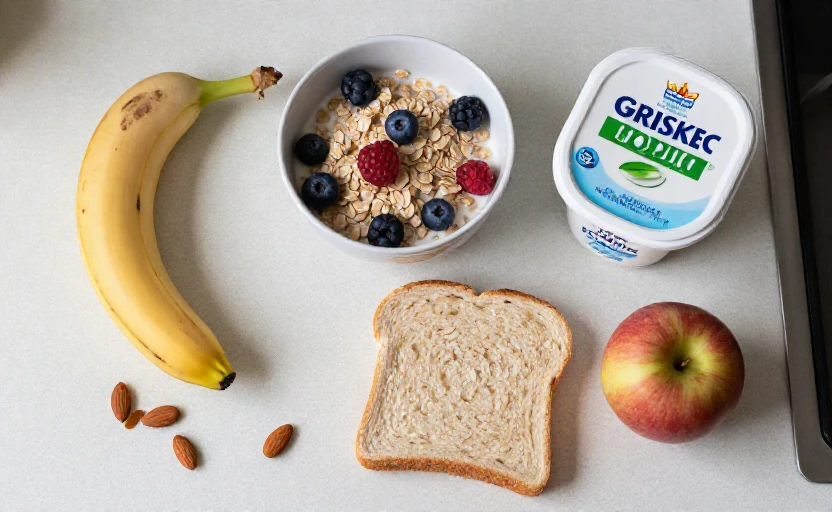
You’ve found a beginner workout you can stick with, and you’re ready to lace up your shoes. But what about the fuel that goes into your body before you start? Eating the right thing before exercise can be the difference between feeling energized and focused or hitting a wall of fatigue and frustration. It’s not about complicated formulas; it’s about simple, real food that supports your effort.
We asked trainers what they recommend for their clients who are just starting out. The consensus was clear: the goal is steady energy, not a heavy stomach. Here are five of their most recommended, easy-to-find foods to eat about 30 to 60 minutes before your beginner routine.
Why What You Eat Before Matters
Think of your body like a car. You wouldn’t start a road trip on an empty tank, and you shouldn’t start a workout with nothing in your system. A small, balanced pre-workout snack or mini-meal has a few key jobs. Primarily, it tops off your glycogen stores—the stored form of carbohydrates in your muscles and liver that your body uses for quick energy. It also helps stabilize your blood sugar, so you avoid that light-headed, shaky feeling mid-session.
For a beginner, this is especially important. Your body is adapting to new movements and demands. Giving it the right fuel helps you maintain good form, complete your planned sets or time, and actually enjoy the process enough to come back for more.
The right pre-workout food isn't about performance enhancement; it's about preventing performance sabotage.
The 5 Trainer-Recommended Foods
1. A Banana
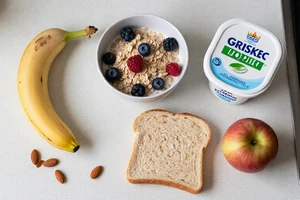
This is the quintessential trainer favorite for good reason. A medium banana provides about 27 grams of easily digestible carbohydrates to fuel your muscles, along with a dose of potassium. Potassium is an electrolyte that helps with nerve function and muscle contractions, which can help prevent cramps as you get moving. It’s nature’s perfectly packaged snack—portable, requires no prep, and is gentle on most stomachs.
Try it: Eat one whole banana about 30 minutes before you begin. If you need a little more staying power, add a small spoonful of almond or peanut butter for a bit of protein and fat.
2. Oatmeal (Half a Serving)
Oatmeal is a fantastic source of complex carbohydrates. Unlike simple sugars, the carbs in oats are released slowly into your bloodstream, providing a steady stream of energy rather than a quick spike and crash. This makes it ideal for a workout that lasts more than 30 minutes. Trainers often suggest a small portion—about half a normal serving—to avoid feeling overly full.
Try it: Make half a cup of dry oats with water or milk. Keep it simple: a dash of cinnamon or a few berries are great additions. Avoid loading it up with heavy sugars or large amounts of nuts right before you exercise.
3. Greek Yogurt with a Handful of Berries
This combination hits the pre-workout trifecta: carbohydrates from the berries for energy, and protein from the yogurt to support muscle and help you feel satisfied. The protein content in Greek yogurt is notably higher than in regular yogurt, making it a more efficient choice. The berries add natural sweetness and antioxidants.
Try it: A single-serve container (5.3 oz) of plain or lightly sweetened Greek yogurt with a small handful of fresh or frozen blueberries or strawberries. Eat this about 45-60 minutes before your workout to allow for comfortable digestion.
4. A Slice of Whole-Grain Toast with a Light Spread
When you need something quick and utterly simple, this is a go-to. Whole-grain toast offers those steady, complex carbs. The key is to keep the topping light. A thick layer of cream cheese or butter adds fat that can slow digestion and make you feel sluggish. A lighter spread provides just enough flavor and a minor nutrient boost.
Try it: One slice of whole-wheat or sprouted-grain toast with a thin layer of mashed avocado (for healthy fats and fiber) or a light swipe of natural fruit preserves. It’s substantial enough to curb hunger but won’t weigh you down.
5. A Small Apple with a Few Almonds
The apple provides quick-digesting natural sugars and carbohydrates, while a small number of almonds adds a tiny bit of protein, fat, and fiber to help modulate the energy release. This pairing is another excellent example of balance—it’s satisfying, portable, and provides both immediate and sustained fuel.
Try it: One small apple (like a Gala or Fuji) with 6-8 almonds. Eat this 30-45 minutes before you start moving. The act of chewing the apple and nuts can also be a satisfying, mindful start to your routine.
Timing and Portion: The Golden Rules
The best food in the world won’t help if it’s sitting heavily in your stomach. As a beginner, err on the side of caution with timing.
- 60-90 minutes before: A small, balanced mini-meal (like Greek yogurt and berries).
- 30-60 minutes before: A easily digestible snack (like a banana or apple with almonds).
- 15-30 minutes before: A very light, mostly carb-based option (like a small piece of fruit alone).
Portion size is equally critical. This is a fueling snack, not a full meal. You should feel energized, not stuffed. Start with the modest portions suggested above and listen to your body. Do you feel strong and steady? Or sluggish and bloated? Adjust accordingly for next time.
What to Avoid Before You Exercise
Just as important as what to eat is what to skip. Trainers commonly advise beginners to avoid these before a workout:
- High-fat meals: Fried foods, heavy cheeses, or large servings of fatty meats digest slowly and can cause discomfort.
- High-fiber foods right before: While fiber is essential for health, a large bowl of high-fiber cereal or raw vegetables immediately before can cause gastrointestinal upset for some people.
- Sugary drinks or candy: These can lead to a rapid spike and then a crash in blood sugar, leaving you feeling drained.
- Anything brand new: Your workout is not the time to experiment with a food you’ve never eaten. Stick with familiar, well-tolerated options.
The journey into fitness is built one good decision at a time. Choosing a thoughtful pre-workout snack is one of those empowering decisions. It signals to your body and mind that you’re ready, you’re prepared, and you’re giving yourself the best chance to succeed. Start with one of these five simple foods, notice how you feel, and build from there.