
You just finished a tough workout. Your muscles are buzzing, your shirt is soaked, and you are ready for something cold. That is exactly the moment when good intentions can lead to a bad choice—especially if you are new to training and not yet sure what your body actually needs after exercise.
Reaching for the wrong post-workout drink is one of the most common habits among beginners. It is not about willpower; it is about knowing what to look for. Here are three habits that steer people toward the wrong bottle and what to grab instead.
Habit 1: Grabbing a sports drink because you think you need electrolytes
Sports drinks are marketed to look essential. Bright colors, bold electrolytes claims, and a refreshing taste make them tempting after a sweat session. But here is the reality for most beginners: unless you worked out for longer than 60 to 90 minutes in heavy heat, you probably do not need a sugary sports beverage.
These drinks are designed for endurance athletes who lose significant sodium and fluids over hours of exertion. A 30-minute jog or a 45-minute resistance training session does not create that level of depletion. What it does create is a desire for something sweet and cold—exactly what the marketing counts on.
Most commercial sports drinks contain roughly 14 to 20 grams of sugar per 8 ounces. That is nearly the same amount of sugar as soda, and it can cancel out the calorie deficit you just worked to create.
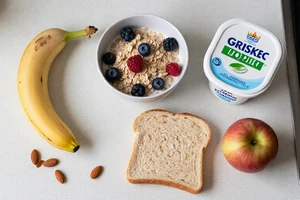
A better choice: plain water. For the average beginner workout, water is the most effective rehydration drink. If you are worried about electrolytes, eat a balanced meal within two hours of training. Whole foods like a banana, a handful of almonds, or a simple sandwich provide the sodium and potassium your body actually needs—without the added sugar.
Habit 2: Choosing a protein shake that is really a dessert in disguise
Protein powder itself is not the problem. The problem is that many beginners pick a shake or bar based on flavor and price rather than ingredients. When you are hungry and tired after a workout, it is easy to grab a product labeled “post-workout” without reading the fine print.
Some protein shakes and meal replacements contain as much sugar as a candy bar. They rely on maltodextrin, fructose syrup, or artificial sweeteners to improve taste. The result is a drink that spikes your blood sugar, gives you a short energy burst, and then leaves you feeling sluggish thirty minutes later. That is the opposite of what recovery should feel like.
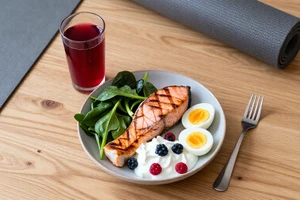
A better choice: a simple protein source with minimal additives. Look for powders that list one or two ingredients: whey or plant protein isolate, and perhaps a natural flavor. Or skip the powder altogether. A glass of milk, a container of plain Greek yogurt, or a few eggs after your workout deliver the same amino acids your muscles need—without the sugar overload.
Habit 3: Thinking caffeine is the only way to finish strong
There is a persistent idea among new gym-goers that a post-workout espresso, energy drink, or pre-workout formula is necessary to keep momentum going. Caffeine does have a place in training, but timing matters. Using it as a post-workout crutch can backfire.
Caffeine works by blocking adenosine receptors in your brain, which delays the feeling of fatigue. That sounds good, but after exercise your body needs to transition into a recovery state. Caffeine can interfere with that process by keeping your nervous system in a heightened, fight-or-flight mode. It can also disrupt sleep if consumed too late in the day, and sleep is when your muscles actually repair and grow.
One study from the Journal of the International Society of Sports Nutrition found that caffeine consumed immediately after exercise can reduce muscle glycogen resynthesis by delaying the insulin response. In plain English: your muscles recover more slowly when caffeine enters the picture too soon.
A better choice: tart cherry juice or a small piece of fruit. Tart cherry juice has naturally occurring anti-inflammatory compounds called anthocyanins, which support muscle recovery without the stimulating effect. An apple, a handful of grapes, or a banana provides carbohydrates to replenish glycogen stores and a steady release of energy. Save your coffee for an hour or two after your meal, not right after your last rep.
How to spot the right drink before you buy
The next time you stand in front of your gym bag or the store shelf, run a quick mental checklist:
- Is the sugar content under 10 grams per serving? If not, treat it as a treat, not recovery fuel.
- Does the ingredient list read like a whole food? Aim for three recognizable ingredients or fewer.
- Are you choosing it out of habit or because you researched it? Just because your gym buddy drinks something does not mean it is right for your routine.
Strength training and cardio put stress on your body—good stress that makes you stronger. But what you drink afterward can either help that stress turn into progress or turn it into extra fat storage and sluggishness. Beginners do not need complex supplements. They need the basics: clean hydration, real protein, and mindful timing of stimulants.