After having a baby, your body is in a unique state of repair and adjustment. When you begin to reintroduce movement and exercise, your hydration needs shift significantly. It’s not just about quenching thirst; it’s about supporting tissue repair, maintaining milk supply if you’re breastfeeding, and replenishing the energy your body is pouring into recovery. Choosing the right fluids can make the difference between feeling revitalized and feeling utterly drained.
The goal is simple: drink to feel strong, not just to check a box. This means listening closely to your body’s signals—which can be different now—and understanding what different beverages offer beyond just water.
Why Hydration Feels Different Postpartum
Your hydration status is influenced by several new factors. If you are breastfeeding, fluid loss through milk production is substantial, requiring an extra intake of roughly 24 to 32 ounces of fluid per day on top of your baseline needs. Hormonal shifts, particularly if you’re experiencing night sweats, can also lead to increased fluid loss. Furthermore, the physical recovery from birth, whether vaginal or cesarean, means your body is using water to transport nutrients for healing and to flush out metabolic waste from increased activity.
Thirst is a late sign of dehydration. By the time you feel parched, you’re already behind.
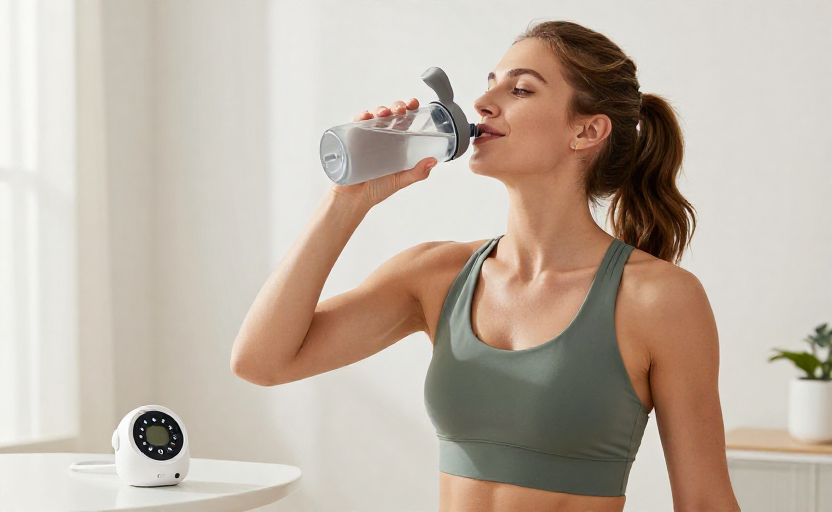
This is especially true for new parents who are distracted and busy. Setting a bottle in your line of sight, or having a drink before you nurse or pump, can help you stay ahead of your needs.
The Foundation: Pure, Simple Water
Water is non-negotiable. It’s the vehicle for every metabolic process, and it should form the bulk of your fluid intake. For postpartum workouts, sipping water before, during, and after is essential. Room-temperature or slightly cool water is often easier on a sensitive postpartum digestive system than ice-cold water.
If plain water feels tedious, a subtle infusion can help. Adding a few slices of cucumber, a sprig of mint, or a wedge of lemon or lime adds a hint of flavor without sugars, caffeine, or artificial ingredients. This can be a gentle way to encourage more consistent sipping throughout your day, not just during your workout window.
Electrolytes: The Support Crew for Recovery
When you sweat during a workout, you lose more than water; you lose electrolytes—minerals like sodium, potassium, magnesium, and calcium. These are crucial for nerve function, muscle contraction, and fluid balance. Replenishing them post-workout helps prevent cramps, supports neurological function, and can ease that “washed-out” feeling.
For light to moderate workouts, a balanced postpartum diet rich in fruits, vegetables, nuts, and seeds often provides enough electrolytes. However, after a more intense or sweaty session, or on a particularly hot day, you might need a direct source.
- Coconut water: A natural source of potassium and magnesium. Choose versions without added sugar.
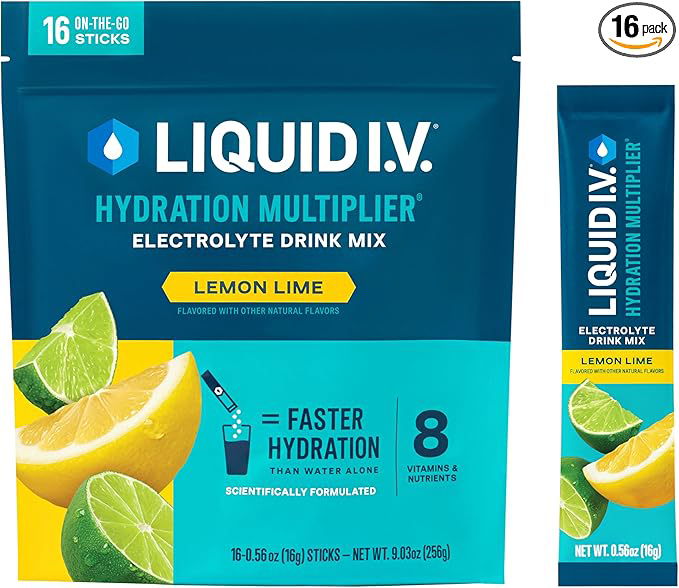
- Electrolyte tablets or powders: Look for options with minimal added sugar and no artificial sweeteners if you’re sensitive. Dissolve one in your water bottle after a tough session.
- Homemade electrolyte drink: Mix 16 ounces of water with a pinch of high-quality salt, a squeeze of lemon or lime juice, and a teaspoon of honey or maple syrup if you need a quick carbohydrate boost.
Nutrient-Dense Smoothies for Sustained Energy
A smoothie can be a powerful recovery tool, acting as both a hydrating beverage and a light meal or snack. This is valuable when you need nourishment but may not have the time or appetite for a full meal after exercising.
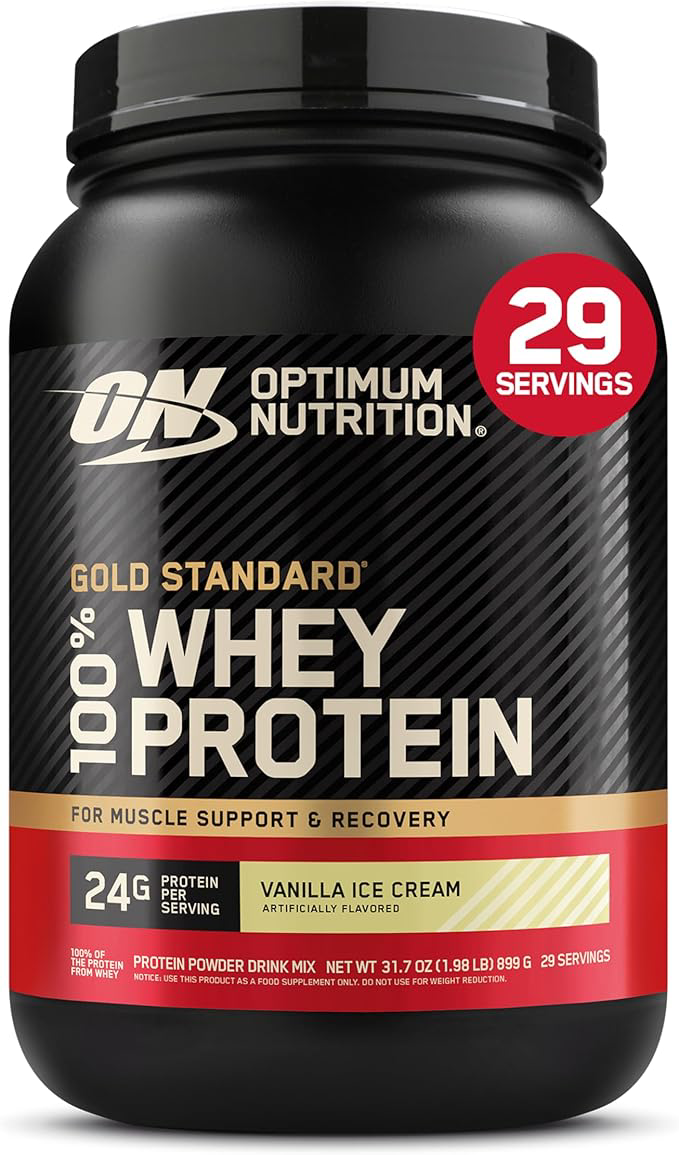
The key is balance. Include a liquid base (water, coconut water, or a splash of milk), a source of protein (Greek yogurt, a scoop of protein powder, or nut butter), healthy fats (avocado, chia seeds, or flaxseed), and fruits or vegetables for vitamins and fiber. The protein and fat help stabilize energy levels and support tissue repair, making the hydration last.
What to Limit or Avoid
While hydration is critical, not all fluids are helpful in this phase.
Sugary sports drinks and sodas can cause a rapid spike and crash in blood sugar, which is unhelpful for energy stability and may contribute to inflammation. Excessive caffeine (more than 200-300 mg per day, about 2 cups of coffee) can be dehydrating and may affect your baby if breastfeeding. It can also disrupt your already fragile sleep. Alcohol is dehydrating and interferes with recovery and sleep quality; if consumed, do so well apart from your workout and hydration times.
Listening to Your Body’s Unique Signals
The best hydration plan is the one you’ll consistently follow. Pay attention to the color of your urine—aim for a pale straw color. Notice signs of fatigue, headache, or dizziness, which can signal dehydration. And remember, your needs will change as your baby grows, your activity level adjusts, and your body continues to heal.
Start your workout well-hydrated, keep a bottle nearby during movement, and make your post-workout drink a conscious part of your recovery ritual. Those few minutes of refueling are an act of care that supports your strength, inside and out.