You showed up. You moved your body. You felt strong mid-session. Then, an hour later, you’re slumped on the couch, brain foggy and limbs heavy. It’s a familiar letdown—and confusing. Weren't you supposed to feel energized after exercise?
For many beginners, that post-workout slump isn’t a sign of being out of shape. It’s a signal that your fluid balance is off. Understanding the difference between simply drinking water and truly hydrating after a workout can change how you recover. Here’s what’s happening and how to fix it.
What “post-workout hydration” actually means
Hydration isn’t just about swallowing liquid. It’s about keeping your blood volume steady so your heart can pump efficiently, your muscles can clear waste, and your brain can focus. During exercise, you lose water and electrolytes—primarily sodium and potassium—through sweat. When you only replace the water, the balance tilts. Your cells can’t function optimally, and that’s when the sluggishness hits.
Think of your body like a car’s cooling system. You wouldn’t just pour water into a radiator without checking the coolant mix. Similarly, your body needs both fluid and minerals to keep running smoothly after exertion.
4 reasons you feel drained after working out
1. You lost more fluid than you realize
Exercise increases your metabolic heat, and sweating is your natural AC. Even mild dehydration—losing as little as 1–2% of your body weight in fluid—can drag down your energy, concentration, and mood. If you didn't drink before or during the workout, you’re starting from a deficit. By the time you finish, you may be running on fumes.
2. Electrolytes took a hit
Sodium isn’t just in salt shakers; it’s the main electrolyte lost in sweat. It helps your nerves fire and your muscles contract. When levels drop, you can feel lightheaded, heavy, or just “off.” Low potassium can contribute to muscle weakness. If you drank plain water during a long or sweaty session, you may have diluted what electrolytes you had left, making the sluggishness worse.
3. Blood flow is still shifting
Right after exercise, blood continues to pool in your legs and core. It takes time to redistribute to your brain and digestive system. If you stand up too quickly or skip a cooldown, blood pressure can drop suddenly, leaving you dizzy and tired. Hydration helps maintain blood pressure, but it needs the electrolytes to help hold fluid in your vessels.
4. You skipped the cooldown and refuel
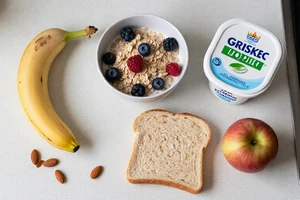
Hydration works with nutrition, not alone. Your muscles used up glycogen (stored energy). Without some carbohydrates soon after, your blood sugar can dip. Pairing rehydration with a small snack—like a banana, a slice of toast, or a handful of pretzels—helps restore energy faster than water alone.
How to hydrate after a workout (the right way)
For most general fitness sessions that last under an hour, water and a normal meal are sufficient. But if your workout was longer, more intense, or you’re sweating heavily, consider these guidelines:
- Weigh yourself before and after (optional but helpful). For every pound lost during exercise, aim to drink about 16–24 ounces of fluid over the next few hours. Don’t chug it all at once; steady sipping works better.
- Add a pinch of salt or an electrolyte source. A sprinkle of salt in your water, a sports drink without excess sugar, or foods like pickles, coconut water, or a salty snack can restore sodium naturally.
- Eat something within 30–60 minutes. A small combo of carbs and protein (like yogurt with berries or a turkey wrap) helps replenish energy stores and supports muscle recovery.
- Don’t rely on thirst alone. Your thirst mechanism is often a step behind your actual needs after exercise. Drink even if you don’t feel parched, but sip slowly to avoid stomach discomfort.
Quick tip: If your urine is dark yellow an hour after your workout, you likely need more fluids. Pale yellow is a good sign your hydration is on track.
When to consider a sports drink or electrolyte mix
Sports drinks can be helpful, but most people don’t need them. For a beginner doing 30–45 minutes of moderate cycling, walking, or general gym work, water and a healthy snack are plenty. Consider a drink with electrolytes if:
- You were sweating heavily (think high humidity or intense cardio).
- Your workout lasted more than 60 minutes.
- You felt dizzy, had muscle cramps, or your energy crashed hard in previous sessions.
- You’re exercising in the heat or wearing heavy clothing that increases sweat.
If a sports drink feels too sugary, mix a low-sugar electrolyte powder with water. Also, eating a piece of fruit like an orange or watermelon provides natural sugar, fluid, and some potassium—simple and effective.
Does the type of workout matter for hydration?
Yes. A gentle yoga flow doesn’t require the same recovery plan as a hot power lift session. Activities that increase body temperature and sweat rate—hot yoga, running in summer, high-intensity interval training (HIIT)—demand more sodium and fluid. Cooler, shorter workouts need less. Pay attention to how your body feels. If you feel heavy or foggy after a specific type of session, your post-workout routine probably needs a small tweak.
Final thought: hydration helps recovery, but it’s not a magic fix
Post-workout fatigue can also come from not eating enough, sleeping poorly, or pushing too hard before your body adapts. Hydration is one piece of a bigger puzzle. Start by focusing on drinking enough fluids with some electrolytes and eating a small meal afterward. If the slump continues after a few weeks of consistent, sensible hydration, consider talking with your doctor or a dietitian. They can help rule out other factors like low iron, thyroid issues, or chronic fatigue.
The goal isn’t to feel superhuman—it’s to feel human, with energy left for the rest of your day. A little awareness of how you refuel can make a real difference.