
A post-workout shake can be the difference between waking up sore and stiff versus waking up ready to move again. But for someone just starting a fitness routine, the recovery aisle at the store is overwhelming: powders, bottles, and a made-up alphabet (BCAAs, EAAs, electrolytes). You don’t need a complex supplement stack. You need two straightforward strategies that actual sports dietitians use.
Here are the two expert-backed fixes for choosing a recovery drink when you’re just starting — no hype, no unnecessary ingredients.
1. Prioritize protein and carbohydrates over “recovery blends”
The biggest mistake beginners make is buying a drink because the label says “recovery.” Instead, check the nutrition facts for two numbers: protein and carbohydrates.
“The research consistently shows that a combination of protein (for muscle repair) and carbohydrates (to replenish glycogen stores) is the gold standard after resistance training or high-intensity interval work,” says Nancy Clark, RD, author of Nancy Clark’s Sports Nutrition Guidebook. “For most people beginning a workout program, a 3:1 or 4:1 carb-to-protein ratio is a safe starting point.”
That means if you have 15 grams of protein, you want roughly 45 to 60 grams of carbohydrates from your drink or snack. A simple glass of chocolate milk hits this ratio perfectly — and it’s often cheaper and more accessible than lab-engineered powders.
The fix: Look for a drink with at least 10–15 grams of protein and a meaningful amount of carbs from a real-food source. If you’re staying under an hour of moderate effort, water and a normal meal later is often enough.
2. Match the drink to your actual workout — not your fantasy workout
This is the nuance most beginners skip: what you need for recovery depends on what you actually did.
If you went for a brisk 30-minute walk or did a light yoga flow, you do not need a recovery drink. Your body’s stored energy is sufficient. Downing a 250-calorie shake after a low-intensity session will add unneeded calories on top of your daily intake. “Many new exercisers overestimate their energy expenditure and overcompensate with recovery products,” warns Dr. Stacy Sims, exercise physiologist and author of ROAR. “This can stall fat-loss goals and leave you feeling heavy.”
Save the recovery drink for sessions that are:
- High intensity (sprints, circuit training, CrossFit-style work)
- Longer than 60 minutes of sustained effort
- Strength training with heavy loads or high volume
For everything else, water, a piece of fruit, and your next meal will handle recovery just fine. That’s not a marketing message — that’s physiology.
Beyond the bottle: real food works just as well
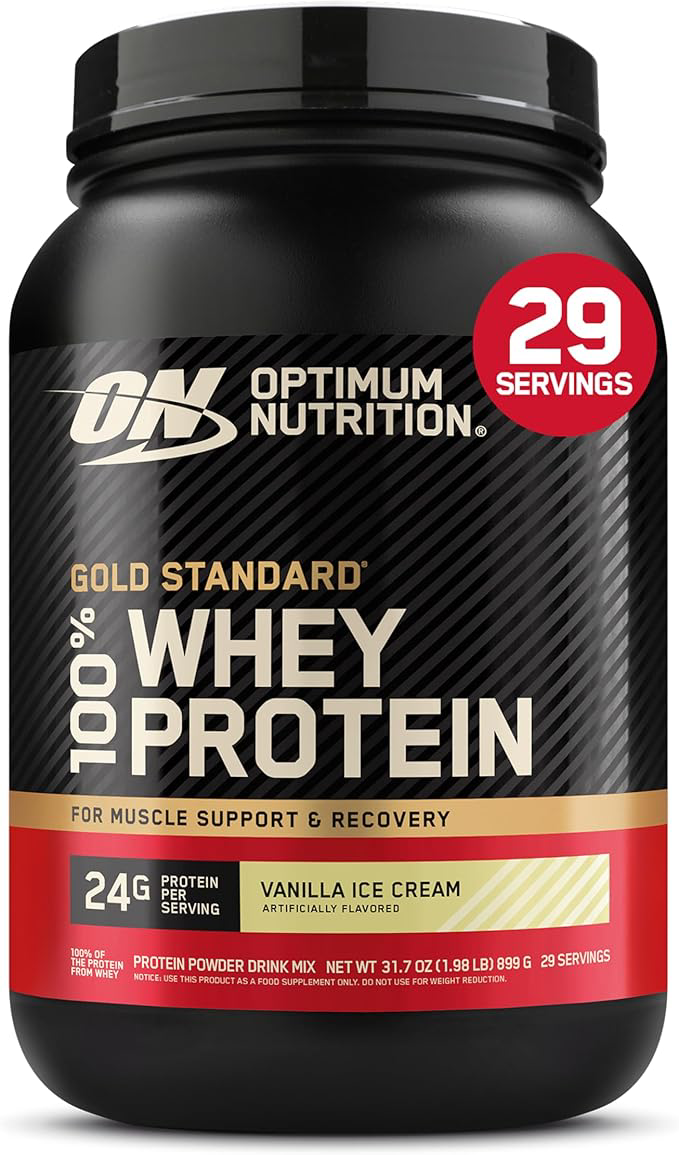
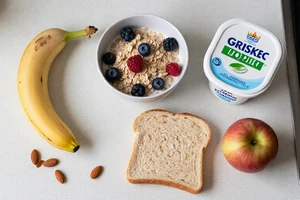
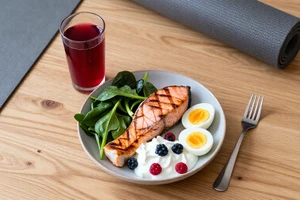
If you don’t want to drink shake powder in water, you don’t have to. Experts agree that a whole-food post-workout meal can be equally effective:
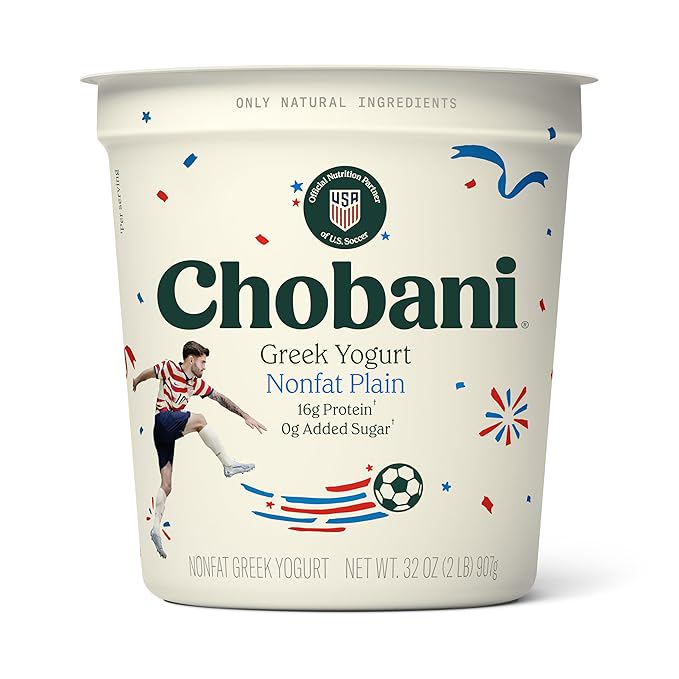
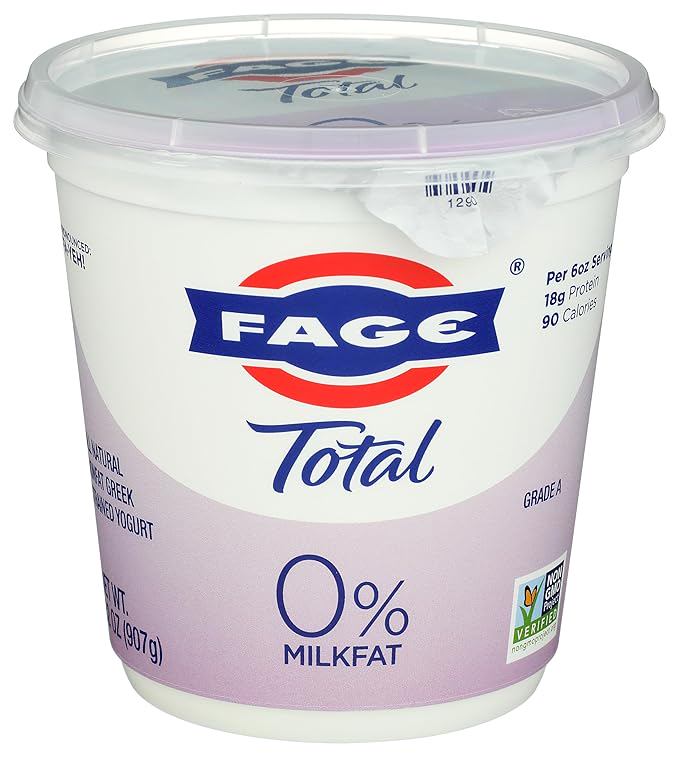
- Greek yogurt with berries and a drizzle of honey
- Turkey and cheese sandwich on whole-grain bread
- Hard-boiled eggs with a banana
- Tuna salad on crackers with an apple
These options provide the same protein-carbohydrate combination that a packaged drink does. They also bring fiber, vitamins, and minerals that powders lack.
When you are just starting, the goal is consistency and habit formation — not optimization. Pick one simple option that you can repeat without stress. For most people, that means chocolate milk after a hard session, and a normal meal otherwise. That is the simplest, most affordable, scientifically sound recovery drink strategy you can adopt today.