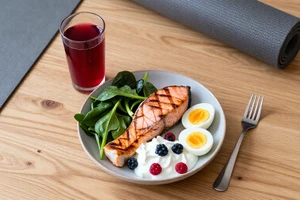

Starting a new workout routine is a win for your health, but those first few sessions often come with a side of muscle soreness. While your body adapts, what you eat and drink after exercise can make a real difference in how quickly you feel ready to move again. Dietitians point to whole, nutrient-dense foods—not fancy powders—as the most effective tools for recovery.
Here are six expert-backed foods and drinks that help new exercisers bounce back faster, along with simple ways to add them to your post-workout routine.
Why recovery nutrition matters for beginners
When you exercise, your muscles use stored energy (glycogen) and sustain tiny tears in their fibers. That soreness you feel 24 to 48 hours later is a normal part of getting stronger. Eating the right foods helps replenish energy stores, repair muscle tissue, and reduce inflammation. For someone just starting to exercise, even a small nutritional shift can speed up recovery and make it easier to stick with the habit.
1. Tart cherry juice
Tart cherry juice has earned a reputation as a recovery drink, and for good reason. It’s rich in anthocyanins, plant compounds that reduce inflammation and oxidative stress caused by exercise. A 2021 review in the Journal of the International Society of Sports Nutrition found that tart cherry juice can lessen muscle soreness and speed up strength recovery after intense exercise.
How to use it: Drink about 8 to 10 ounces after a workout. Look for unsweetened varieties to avoid excess sugar. If you find the taste too tart, dilute it with sparkling water.
2. Salmon
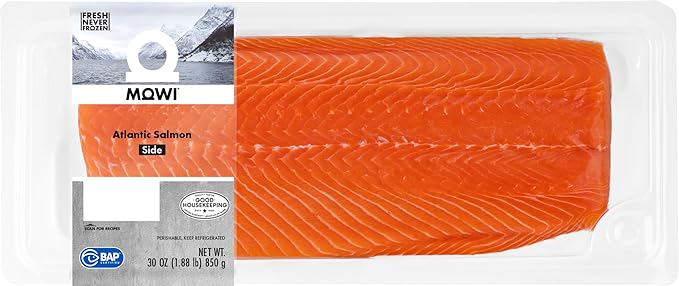
Salmon delivers a one-two punch of high-quality protein and omega-3 fatty acids. Protein provides the amino acids your muscles need for repair, while omega-3s (EPA and DHA) help calm inflammation. A 180-gram portion of cooked salmon supplies around 35 grams of protein, making it an efficient recovery meal.
How to use it: A grilled salmon fillet over a bed of greens or with roasted sweet potatoes works well within two hours post-exercise. Canned or pouch salmon is a convenient alternative for salads or grain bowls.
3. Cottage cheese
Cottage cheese is a standout for its casein protein, which digests slowly and provides a steady stream of amino acids to muscles over several hours. That makes it especially useful if you exercise in the evening or won’t eat another meal soon. A half-cup serving offers about 14 grams of protein and a modest amount of carbohydrates for glycogen replenishment.
How to use it: Top it with fresh berries or sliced banana for extra carbohydrates and antioxidants. You can also blend it into a smoothie for a creamier texture.
4. Watermelon
Watermelon is more than just hydration. It contains L-citrulline, an amino acid that may reduce muscle soreness and improve blood flow. A 2013 study in the Journal of Agricultural and Food Chemistry reported that watermelon juice helped lower heart rate and muscle soreness after exercise in athletes.
How to use it: Eat a couple of wedges post-workout, or blend the flesh into a refreshing juice. The white part near the rind is especially rich in citrulline, so leave a little attached.
5. Chocolate milk
Chocolate milk is one of the most practical recovery drinks for new exercisers. It naturally offers a 4:1 carbohydrate-to-protein ratio—close to what sports scientists recommend for replenishing glycogen and repairing muscle. The fluid and electrolytes also help with rehydration. A 2018 meta-analysis in Applied Physiology, Nutrition, and Metabolism found chocolate milk to be as effective as commercial recovery drinks for post-exercise recovery.
How to use it: Drink a glass (about 8 to 16 ounces) of low-fat chocolate milk within 30 to 60 minutes after a workout. Skip sugar-free versions; the natural sugars are part of the recovery benefit.
6. Spinach
Spinach may not seem like a recovery food, but it’s packed with magnesium, which helps regulate muscle function, and nitrates that improve blood flow. A 2021 study in Nutrients indicated that a diet rich in nitrates can reduce the oxygen cost of exercise, potentially easing the strain on recovering muscles.
How to use it: Toss a handful of fresh spinach into a post-workout smoothie along with yogurt and fruit, or sauté it with eggs for a quick meal.
Putting it together: a simple recovery plan
You don’t need to overhaul your diet to see benefits. A sample post-workout day might look like this: after a morning walk or light jog, blend a smoothie with spinach, banana, and a scoop of cottage cheese. After an evening strength session, drink a glass of chocolate milk and eat a salmon bowl with rice and vegetables. The key is to eat something within 30 to 60 minutes of finishing exercise, when your muscles are most receptive to nutrients.
Remember, these foods support recovery but are not a substitute for rest, proper form, or listening to your body. If you have specific health conditions or dietary restrictions, consult a registered dietitian for personalized guidance.