Your first conscious moments of the day set a pattern. Most of us reach for coffee before our feet hit the floor, but your body has been fasting from fluids for seven or eight hours. By the time you feel parched, you may already be running on empty. Relying on thirst alone as a signal to drink is like waiting for the gas light to come on before you fill the tank—it works, but it's not ideal. Here is a practical guide to why morning hydration matters and how to do it well without obsessing.
What happens to your body overnight
While you sleep, your body continues to work—repairing tissue, consolidating memory, and filtering blood. But it loses water steadily through respiration and sweat, even if you don't feel sweaty. Your kidneys keep producing urine, too. By morning, your fluid volume is lower, your blood is slightly more concentrated, and your cells are not operating at peak efficiency. This mild dehydration can affect how you think, move, and feel for the first hour or two after waking.
A meta-analysis in The American Journal of Clinical Nutrition found that even mild fluid loss—around 1 to 2 percent of body weight—can impair alertness and short-term memory. Thirst usually kicks in after that threshold has passed, which is why your morning dry mouth is a late signal, not an early one.
The case for a glass of water first thing
A simple habit can reset your hydration baseline: a glass of water before coffee, tea, or food. There is no magic number—eight ounces is a reasonable start, and you can adjust based on your body and activity level. The goal is to restore fluid balance gently, not to chug a liter and race to the bathroom.
Drinking water on an empty stomach may also help with digestion. Water helps dissolve nutrients and move them through the gastrointestinal tract. If your mornings are rushed, that pre-coffee sip can also serve as a cue that you are taking care of yourself—a small ritual that says, “I’m paying attention.”
Tip: If plain water feels dull first thing, try a squeeze of lemon or a few cucumber slices. The flavor is mild, it adds a trace of vitamin C, and it is still just water.
Coffee is not a substitute for water
Many people treat their morning coffee as their first fluid intake, but caffeine is a mild diuretic. While moderate coffee consumption does not cause significant dehydration in habitual drinkers, it still does not replace the plain water your body needs. A study published in PLOS ONE found that coffee contributed to daily fluid balance similarly to water in regular coffee drinkers, yet the diuretic effect is still real in people who are not adapted.
Better advice: drink water first, then enjoy your coffee. You will likely feel more alert and less jittery because your nervous system is not simultaneously dealing with a fluid deficit.
Listen to your body, not just your mouth
Thirst is a useful cue, but it is not the only one. Other signs that your morning hydration may be lagging include dark urine (pale straw is ideal), headaches that resolve after drinking, dry lips, or fatigue that does not improve with a few more minutes of sleep. If you exercise in the morning, you need extra water before, during, and after—thirst alone will not keep pace with sweat losses.
For most healthy adults, drinking when you are thirsty and sipping water throughout the day is sufficient. The nuance is for the morning hours, when you have gone longer without fluid than any other stretch of the day. That one glass shift can make a difference in how you feel by mid-morning.
Who needs to be more careful
Older adults naturally have a diminished thirst sensation. If you care for an aging parent or grandparent, you may notice they rarely say they are thirsty. Morning hydration is especially important for them because dehydration can lead to confusion, falls, and urinary tract infections. Similarly, people with kidney stones or recurrent urinary tract infections benefit from spreading their water intake evenly across the day, starting in the morning.
If you have a medical condition that affects fluid balance—such as heart failure, kidney disease, or liver cirrhosis—follow your doctor's specific guidance on how much to drink. More water is not better for everyone.
Simple ways to build the habit
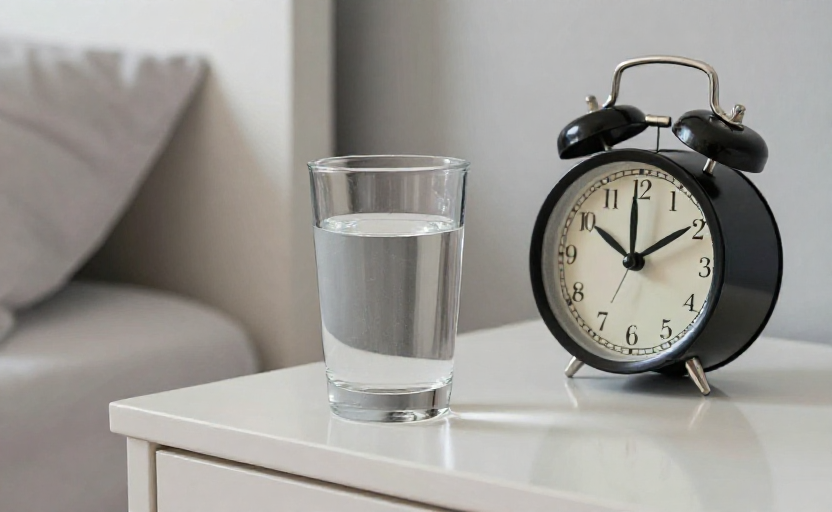
You do not need a complicated system. Keep a glass or a reusable bottle on your nightstand so you see it when you wake up. Pair the water with something you already do—like brushing your teeth or letting the dog out. Aim for two or three good sips before you pour your coffee. That is enough to shift your status from mildly dehydrated to adequately hydrated for the start of your day.
If you are active or live in a dry climate, you may need more. If you are sedentary and spend mornings in cool air conditioning, you may need less. Your body's feedback—how your mouth feels, how your urine looks, how your energy tracks—is your best guide. Just do not wait for dry lips and a racing thirst to remind you.