You track your macros, you eat your chicken breast, and you might even drink a shake after the gym. Yet, despite your best efforts, you feel tired, your recovery lags, and your muscle gains seem stalled. The culprit might not be how much protein you eat, but the small, daily choices that quietly undermine your intake.
Many of us think we’re getting enough protein, but subtle dietary habits can sabotage that goal without us noticing. Here are five common mistakes that can rob you of the protein you need, along with straightforward fixes to get back on track.
Skipping Protein at Breakfast
The standard American breakfast is often carb-heavy and protein-poor. A bowl of sugary cereal, a piece of toast with jam, or a simple pastry might fill you up temporarily, but it doesn't provide the amino acids your body needs to start repairing and building tissue after the overnight fast.
This mistake isn't just about missing a single meal. Research suggests that distributing protein intake evenly across meals is more effective for muscle protein synthesis than consuming most of it at dinner. If you skip protein in the morning, you're essentially missing a crucial window to support your body.
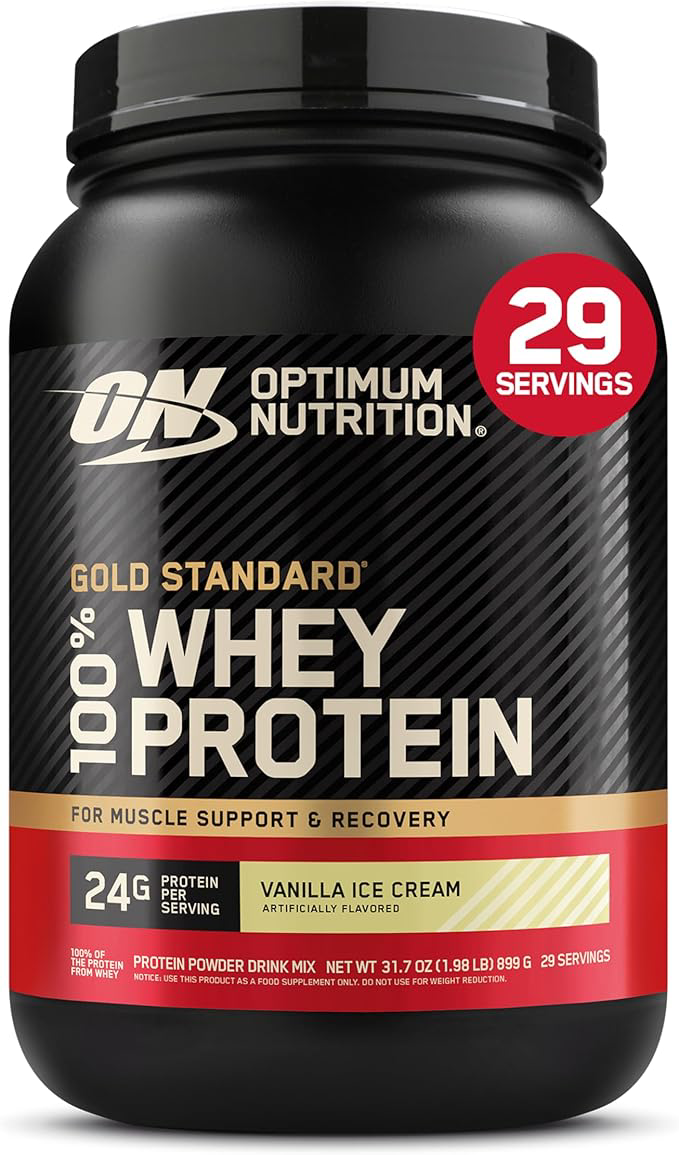
The fix: Aim to include a serving of protein at breakfast. Two eggs, a cup of Greek yogurt, a scoop of protein powder in a smoothie, or even leftover dinner meat can work. Think of breakfast as a chance to “activate” your metabolism and muscle repair for the day.
Crunching on “Incomplete” Plant Proteins Without Pairing
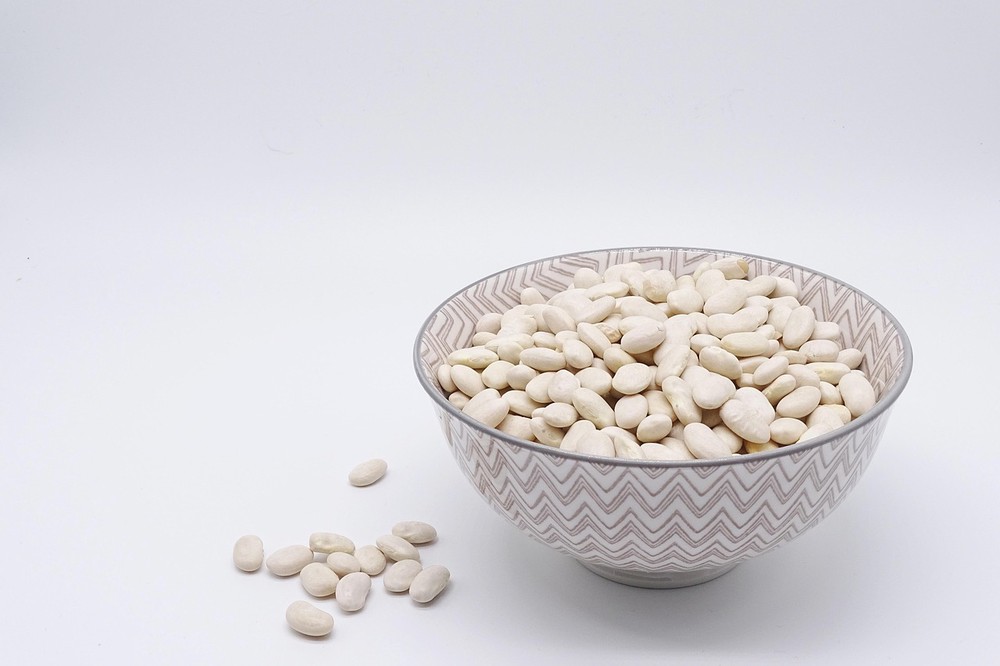
Plant-based eating is excellent for health, but it requires a bit more strategy when it comes to protein. Many plant foods like beans, lentils, nuts, and whole grains are considered “incomplete” proteins because they lack one or more of the essential amino acids your body can't make on its own.
The mistake isn't eating plant protein—it's relying on a single source all day. For example, eating only rice for lunch and only beans for dinner means you're not getting a full amino acid profile at any single meal. Your body needs all the essential amino acids at once for optimal muscle protein synthesis.
The fix: Practice food pairing without overcomplicating it. Classic combos like rice and beans, hummus and whole-wheat pita, or peanut butter on whole-grain bread naturally complete the amino acid profile. If you're vegan or vegetarian, pay special attention to including a variety of plant proteins throughout the day, or consider a high-quality plant-based protein powder.
Over-Reliance on One or Two Protein Sources
Chicken breast and whey protein are reliable, but building a diet around only two protein sources can lead to a hidden deficit. Different protein sources have different amino acid profiles and bioavailability. For instance, collagen protein is low in tryptophan and other essential amino acids needed for muscle building. Similarly, while chicken is excellent, eating it exclusively means you miss the unique benefits of red meat (iron, B12) or fish (omega-3s).
This lack of variety also makes your diet boring, which can lead to inconsistent eating habits. If you're tired of the same foods, you're less likely to hit your protein targets consistently.
The fix: Rotate your protein sources weekly. Include fish (salmon, tuna, sardines), lean red meats, pork, eggs, dairy, tofu, tempeh, and various legumes. A diverse protein portfolio not only covers your amino acid needs but also provides a wider range of micronutrients.
Letting Sneaky Carbs and Fats Inflate Your Portions
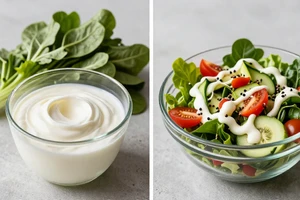
This is perhaps the most common mistake. You order a “grilled chicken salad” thinking it's a protein powerhouse, but the chicken portion is only the size of a deck of cards while the salad is a mountain of greens topped with croutons, cheese, and a creamy dressing. The result? A meal that's mostly fat and carbohydrates, with very little actual protein.
The same principle applies to protein bars, smoothies, and even whole-food meals. Many protein bars are glorified candy bars with more sugar than protein. A smoothie made with fruit juice, yogurt, and peanut butter might have only 15 grams of protein but 60 grams of carbs.
The fix: Read labels and be honest about portion sizes. A serving of meat or fish should be roughly the size of your palm (about 3-4 ounces cooked). For protein powders, measure your scoop. For whole foods like Greek yogurt, check the label for protein content versus sugar. Prioritize the protein component on your plate and let it dictate the volume of the other ingredients.
Undereating Protein on “Rest Days” and Later in the Day
A common misconception is that protein is only important on workout days. In reality, muscle repair and recovery happen 24/7, including on your rest days. If you drastically cut your protein intake on days you don't exercise, you're missing a key opportunity for recovery.
Similarly, people often front-load their protein early in the day and then skimp at lunch or dinner. If your breakfast is 40 grams of protein but your lunch and dinner are carb-heavy or fat-heavy with minimal protein, your body won't have a steady supply of amino acids throughout the day.
The fix: Aim for a consistent protein intake every day, regardless of your workout schedule. Ideally, distribute 20-30 grams of protein across 3-4 meals. This doesn't mean you need to be obsessive, but keeping a baseline every day—including rest days—ensures your body has the building blocks it needs for ongoing repair, immune function, and satiety.
A simple rule: if you ate breakfast, lunch, and dinner without a palm-sized portion of protein at two of those meals, you likely missed your mark for the day.
Correcting these mistakes is often easier than a major diet overhaul. Small, consistent changes—like starting your day with eggs, rotating your meat choices, and checking the label on your protein bar—can make a significant difference in how much protein your body actually receives and uses.