You already know that spinach is good for you and that citrus fruits are packed with vitamin C. But what you might not realize is that eating them together can be significantly better for your health than eating them separately. This simple combination is a perfect example of nutrient synergy—where two foods work together to enhance the absorption and effectiveness of key vitamins and minerals.
By understanding how this pairing works, you can make small, smart adjustments to your meals that yield real nutritional benefits. Let's break down the science behind the synergy and how to put it into practice.
Why Spinach and Citrus Are a Perfect Match
Spinach is renowned for its high iron content, particularly non-heme iron—the type found in plant-based foods. However, non-heme iron is not as easily absorbed by the body as the heme iron found in animal products. This is where citrus comes into play. Vitamin C, abundant in oranges, lemons, limes, and grapefruits, dramatically enhances the absorption of non-heme iron. When you consume them together, the vitamin C binds to the iron, making it more soluble and easier for your body to transport and store. The result is a simple, delicious way to combat fatigue and support healthy blood function.
The Iron Connection: More Than Just Digestion
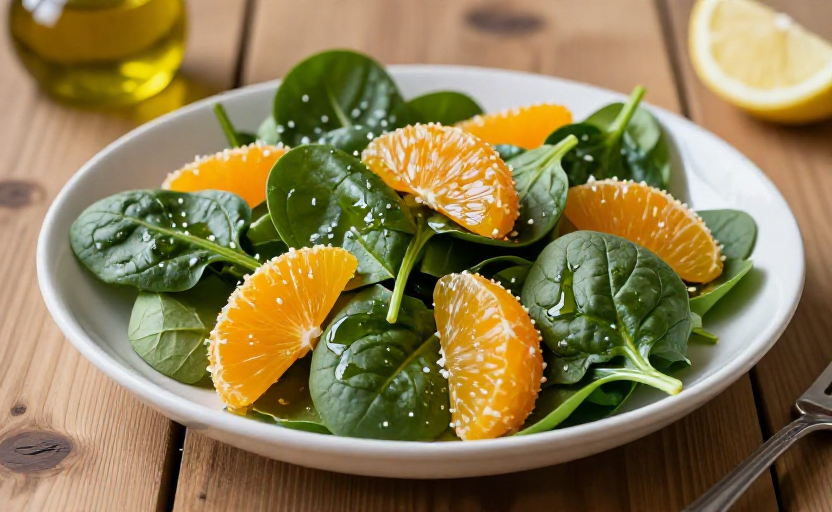
While the digestive benefits of spices like cumin and coriander are well-documented (and indeed, a healthy gut is key to overall wellness), the specific synergy between spinach and citrus is a more direct nutrient partnership. It’s not about making digestion easier; it’s about making absorption more efficient. This distinction is crucial for anyone following a vegetarian, vegan, or plant-forward diet, as they rely entirely on non-heme iron sources. Simply drizzling lemon juice over a spinach salad or blending a handful of spinach into an orange smoothie can significantly increase the amount of iron your body actually gets from that meal.
A Quick Tip: To maximize iron absorption, add vitamin C-rich ingredients to every meal that contains leafy greens or legumes.
Beyond Iron: Unlocking Other Nutrients
The synergy doesn't stop at iron. Spinach is also rich in fat-soluble vitamins A, K, and E, as well as powerful antioxidants like lutein and zeaxanthin. While citrus isn't a fat source, the acidity in citrus juice can help preserve the vibrant color and nutrient content of spinach during cooking. More importantly, other components in citrus can help make these fat-soluble nutrients more bioavailable. For complete absorption, pair your spinach-citrus duo with a healthy fat, such as avocado, nuts, seeds, or a drizzle of olive oil. This three-way synergy—spinach, citrus, and healthy fat—unlocks the full nutritional potential of your meal.
How to Pair Them in Everyday Meals
Incorporating this nutrient duo is straightforward. Here are a few practical, delicious ways to do it without a drastic overhaul of your diet:
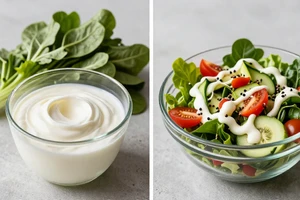
- Salads: The classic choice. Use a simple vinaigrette made with fresh lemon or lime juice, olive oil, and a pinch of salt.
- Smoothies: A handful of spinach with an entire peeled orange or a splash of grapefruit juice is a refreshing, nutrient-dense start to the day.
- Sautéed Greens: Finish your cooked spinach with a generous squeeze of lemon juice right before serving. This not only boosts iron absorption but also brightens the flavor.
- Dipping Sauces: Blend baby spinach with tahini, lemon juice, garlic, and a little water for a vibrant, iron-rich green sauce.
Common Questions About Spinach and Citrus Pairing
Does cooking spinach affect the synergy? Cooking spinach reduces its volume (so you eat more greens) and can break down oxalic acid, which can also inhibit iron absorption. However, vitamin C is heat-sensitive. For the best of both worlds, lightly cook the spinach and add the citrus juice raw, just before serving.
Can I use vitamin C supplements instead of citrus? While a vitamin C supplement can enhance iron absorption, whole citrus fruits provide fiber, flavonoids, and other phytonutrients that work synergistically. Getting your vitamin C from food is generally recommended for overall health and balanced nutrition. If you are considering a supplement, consult a healthcare provider for tailored advice.
Are there other good pairings for non-heme iron? Yes! Bell peppers, broccoli, strawberries, kiwi, and tomatoes are all excellent sources of vitamin C that pair beautifully with iron-rich spinach and other leafy greens like kale or Swiss chard.