You commit to daily push-ups, squats, and lunges. You feel strong, disciplined. Then your knees start to ache, your wrists feel stiff, and your shoulders seem to click every time you move. It's a common story among people who rely solely on bodyweight training. The frustrating paradox is that the very thing making you stronger might also be stressing your joints in a way they aren't recovering from.
Joint recovery takes longer with frequent bodyweight workouts because of the repetitive, high-volume nature of these exercises without adequate external load variation or intentional rest. Let's unpack what is actually happening inside your joints and two straightforward adjustments that can help you keep training without the chronic ache.
Why Bodyweight Workouts Can Be Hard on Joints
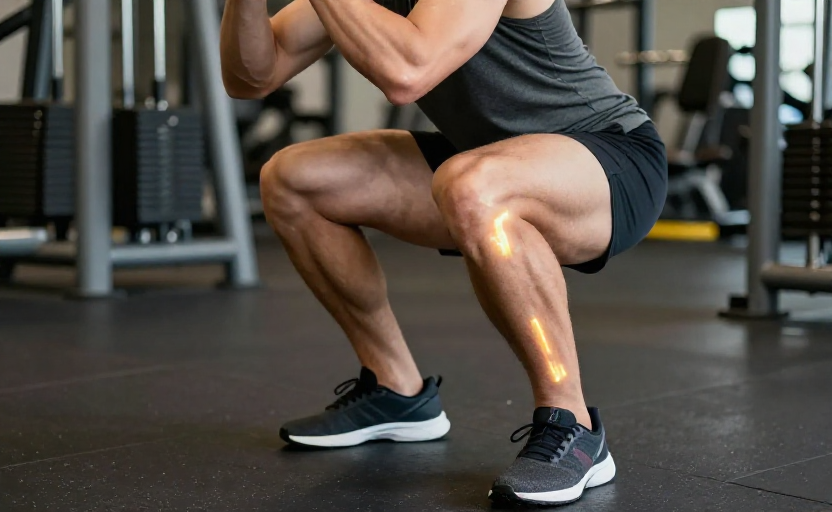
Bodyweight training is excellent for building endurance, mobility, and relative strength. But it comes with a hidden cost when done too often. Unlike lifting a barbell, where you can precisely adjust the weight by ten or twenty pounds, bodyweight exercises force you to use the same resistance—your own body—every single session. Over time, this repetitive loading pattern pounds the same structures: the cartilage in your knees, the tendons in your wrists, and the labrum in your shoulders.
Your joints rely on synovial fluid to lubricate and nourish cartilage during movement and recovery. When you perform high-frequency bodyweight circuits—think a hundred push-ups and two hundred squats daily—you create a constant demand on those tissues without giving the fluid and cellular repair processes a chance to catch up. The result is low-grade inflammation that accumulates, making you feel like your joints are always a little bit angry.
Repetitive Micro-Trauma Without Variable Loading
Every squat, lunge, or push-up generates compression and shear forces across your joint surfaces. When you repeat the exact same movement pattern day after day, you don't give the collagen fibers in your tendons and ligaments time to remodel. Instead, you keep poking the same weak spots. This is different from weightlifting, where varying the load (heavy day, light day) creates a recovery window. With bodyweight training, every session feels like medium-heavy, and the joints never get a real break.
Tip: Treat joint soreness that lasts more than an hour after a workout as a signal—not a badge of honor.
The Two Simple Fixes
The good news is you don't have to abandon bodyweight training. Two evidence-based adjustments can dramatically improve how your joints recover while preserving your workout habit.
Fix One: Introduce Intentional De-load Days
A de-load day means deliberately reducing volume or intensity, not skipping training entirely. For bodyweight athletes, a de-load could include performing only half your usual reps, choosing easier variations (knee push-ups instead of standard), or switching to mobility work and joint-focused movement like cat-cow stretches and shoulder rolls. The key is to schedule at least one or two days per week where you do not push your maximal reps. Your joints need this low-stress time to replenish synovial fluid and allow minor tissue damage to heal before it accumulates into chronic pain.
Here's a simple way to structure it: train hard for three to four days, then follow with one lighter day. On the light day, you can still move—but only at a sub-50 percent effort. Many people find that including a full rest day after the light day gives even better recovery.
Fix Two: Add Eccentric Tempo Control
Eccentric exercise—the lowering phase of a movement—is known to build tendon strength and resilience. When you rush through the bottom of a squat or drop quickly into a push-up, you miss the opportunity to strengthen the connective tissue around your joints. By slowing down the lowering phase to a three-to-five-second count, you increase time under tension for the tendons and ligaments without adding extra reps. This targeted stimulus triggers better collagen synthesis and improves joint stability over time.
For example, during your next bodyweight squat session, lower yourself over four seconds, pause briefly at the bottom, and then press up at a normal speed. Apply the same to push-ups: take three seconds to lower your chest to the ground, hold for one second, then push up. This simple change reduces the total number of reps (because it's harder), yet increases the quality of each one for joint health.
Practical Implementation Without Overcomplicating
You don't need a gym or special equipment to apply these fixes. Here's how to integrate them into your current routine:
- Week one: Identify your most frequent bodyweight exercises. Schedule two lighter days per week where you cut reps by 50 percent and add slow eccentrics.
- Week two: On light days, replace one or two high-intensity movements with joint mobility drills such as hip circles, wrist stretches, and ankle rotations.
- Ongoing: Pay attention to joint pain that feels sharp or localized. If it persists, consider an extra rest day or an alternative low-impact activity like walking or swimming.
It can be tempting to ignore mild joint discomfort and push through. However, consistent low-level irritation often escalates into tendonitis or bursitis, which can sideline you for weeks. Listening to your joints early is not weakness—it is smart training management.
Recognizing When to Adjust Further
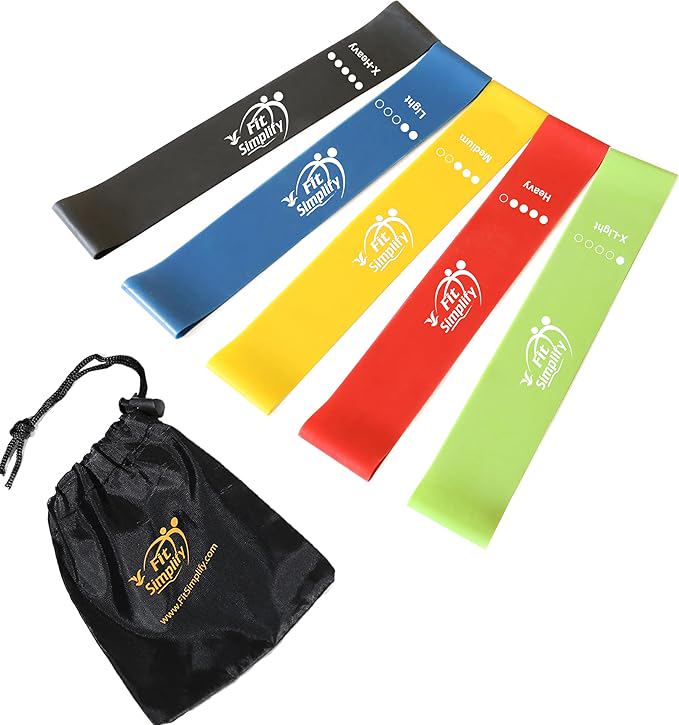
If your joints still complain after applying both fixes for two to three weeks, it may be time to look at other factors: sleep quality, hydration, and overall nutrition play powerful roles in tissue repair. You might also consider adding one or two resistance band exercises for variety, which introduces new loading angles and gives overused joints a break from the same repetitive compression.
The long-term goal is to keep your body moving without accumulating joint debt. With intentional de-loading and eccentric tempo work, you can enjoy the convenience and effectiveness of bodyweight training while giving your joints the recovery they need.