You’ve rolled out your mat, queued up a workout video, and you’re ready to move — but that sloshing, gurgling feeling in your stomach is already sabotaging your plank. What you sipped in the hour before can make or break your home workout experience. While staying hydrated is essential, certain drinks can stir up digestive discomfort that turns a focused session into a miserable one.
Here’s the thing: exercise diverts blood flow away from your digestive system and toward your working muscles. That means anything lingering in your stomach gets less attention during movement. If you choose the wrong pre-workout beverage, you’re setting yourself up for bloating, cramping, or urgent bathroom breaks. Below are five common drink culprits to avoid before you break a sweat at home.
1. Carbonated Beverages (Sparkling Water, Soda, Seltzer)
Bubbles seem harmless enough, but those tiny gas bubbles are the enemy of a calm stomach during exercise. Carbonated drinks introduce air into your digestive tract, which can cause gas and bloating. When you add in the bouncing, twisting, and core engagement of a typical home workout, that trapped air has to go somewhere — and it often exits in uncomfortable ways. Even “healthy” options like sparkling water or kombucha can leave you feeling distended during burpees or bicycle crunches.
2. High-Sugar Sports Drinks and Juices
Reaching for orange juice or a fluorescent sports drink before a workout seems logical — quick energy, right? The problem is that concentrated sugar (especially fructose) pulls water into your intestine, which can trigger cramping and diarrhea during physical activity. Many commercial sports drinks are designed for endurance athletes exercising for over an hour, not for a 30-minute home workout. Your body doesn’t have time to process that sugar rush before you ask it to move, and the result is often digestive distress.
3. Milk and Heavy Dairy-Based Drinks
A glass of milk, a creamy protein shake, or a latte made with whole milk sits in your stomach like a brick when you try to exercise. Dairy contains lactose, and many adults have some degree of lactose intolerance without realizing it. Even if you tolerate dairy well at rest, the slowed digestion during exercise can unmask symptoms like gas, bloating, and stomach pain. Stick to water or a light shake made with a plant-based protein if you need something before your workout.
4. Coffee (Especially on an Empty Stomach)
Your morning cup of coffee is a pre-workout ritual for millions of people, and caffeine can genuinely boost performance. But coffee also stimulates gastric acid secretion and speeds up colon activity — a combination that can lead to urgent bathroom visits mid-session. For some people, coffee relaxes the lower esophageal sphincter, causing acid reflux during inversions or core work. If you must have caffeine before a home workout, try a small amount of black tea or a pre-workout formula designed for your stomach, and drink it at least 45 minutes before you start.
5. Alcohol
This one might seem obvious, but it’s worth stating clearly: alcohol before a workout is a bad idea for digestion and overall performance. Alcohol relaxes the muscles of the digestive tract, slows stomach emptying, and dehydrates you. Even one beer or a glass of wine within two hours of exercise can leave you feeling sluggish, nauseated, or prone to heartburn. Save the celebratory drink for after you’ve cooled down.
What Should You Drink Instead?
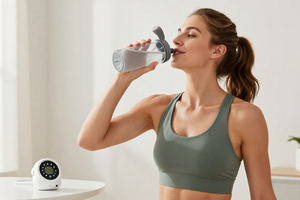
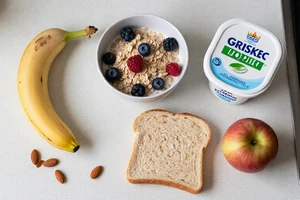
The gold standard for most home workouts is plain water, sipped steadily throughout the day and in small amounts during exercise. If you’re doing a longer session (over 60 minutes) or sweating heavily, consider an electrolyte drink with a modest amount of glucose (4-6% concentration) — but test it during a low-stakes workout first. A small banana and water will serve you better than any of the drinks listed above.
Everyone’s tolerance is different. Pay attention to how your body reacts to specific drinks before exercise, and don’t rely on generic “pre-workout” formulas without checking their ingredient list first. A quiet stomach means you can focus on form, breathing, and getting the most out of your home workout.