Figuring out what to eat before a workout at home can feel like a gamble. Eat too much, and you'll feel sluggish. Eat the wrong thing, and you might end up with cramps or nausea mid-burpee. The goal isn't a full meal—it's a small, strategic snack that gives you steady energy without weighing you down. Here are three pre-workout snacks that are gentle on the stomach and perfect for home workouts.
Why stomach upset happens during exercise
When you exercise, blood flow shifts away from your digestive system and toward your working muscles. If there's undigested food sitting in your stomach, it can cause that sloshing, crampy feeling. Snacks that are high in fiber, fat, or protein take longer to digest, which is why they sometimes cause trouble. The win is something light and simple—mostly carbs with a touch of protein—that your body can use quickly.
1. A small banana with a spoonful of peanut butter
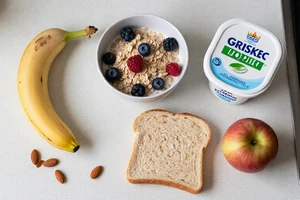
Bananas are practically nature's pre-workout fuel. They're rich in fast-digesting carbohydrates that your muscles can use for energy, and they contain potassium, which helps with muscle function. A small banana is about 100 calories—just enough to take the edge off hunger. Adding a thin layer of peanut butter (about half a tablespoon) gives you a tiny bit of protein and healthy fat to stabilize your blood sugar, but not enough to slow digestion.
This combo works best about 30 to 45 minutes before you start. If you know peanut butter bothers you, try it with almond butter or use just the banana alone.
2. Half a rice cake with jam
Sometimes you just want a little something in your stomach without any real bulk. A plain rice cake is basically pure starch—easy to break down and won't sit heavy. Top it with a thin spread of fruit jam or preserves (look for a no-sugar-added kind if you like) for a quick carb source. It hits about 60–80 calories total, which is enough to fend off lightheadedness but won't interfere with your workout.
You might also pair the rice cake with a drizzle of honey instead of jam. The key is keeping the portion small: half a rice cake, not a whole platter of snacks. Eat this 20 to 30 minutes before you exercise.
3. A handful of dry cereal or pretzels
Lower body weight? Or working out first thing in the morning with zero appetite? Sometimes a crunchy, dry snack goes down easier than anything wet or sticky. A small handful of plain Cheerios, rice Chex, or a few salted pretzel sticks settles quickly in the stomach. The salt in pretzels also helps you hold onto a little water, which can be useful for staying hydrated during a sweat session.
Stick to about a quarter-cup portion—think a small cupped palm. Pair it with a few sips of water. No milk with the cereal; adding dairy often creates more digestive stress.
What to avoid before a home workout
Some foods just don't pull their weight pre-workout. High-fiber foods (beans, broccoli, whole grains), high-fat foods (fried items, creamy dressings, cheese), and anything with a lot of protein (a whole protein bar or a big scoop of whey) are best left for after you finish. Also avoid carbonated drinks—they fill your stomach with gas and can cause bloating.
A simple rule: if you wouldn't eat it thirty minutes before a jog, don't eat it before a home workout either.
Timing matters as much as the snack
When you eat is just as important as what you eat. For these light snacks, aim for 20 to 45 minutes before you start moving. That window gives your body a chance to begin digestion enough that the fuel is available, but not so much that your stomach is actively working while you squat or lunge. If you're someone who gets nervous or anxious before working out (which can slow digestion further), stick to the shortest wait time—maybe 20 minutes—and keep the snack very small.
Hydration plays a role too. Sip water gradually over the hour before your workout, rather than chugging a full glass right before. This keeps your system balanced without that sloshing feeling.
Listen to your own stomach
Everyone's digestion is slightly different. The best pre-workout snack for you is the one you trial once, test during a light session, and adjust based on how you feel. Some people can handle a small apple; others need something blander like plain crackers. That's normal. These three suggestions are a starting point—low risk, high reward, and easy to make from pantry staples at home.