
Sitting at a desk for eight or more hours a day puts your body in a tricky position—literally. Your hips are flexed, your hamstrings are quiet, and your quads often end up doing most of the work when you finally stand up to move. Over time, this pattern can set the stage for knee pain, especially when your workout schedule falls into one of two common traps. Let's walk through the specific mistakes many desk workers make with their training frequency and what you can do about them.
The First Mistake: Going All In on Leg Day—Once a Week
It's a familiar scene. You sit all week, then crush a single heavy leg session on Saturday. Squats, lunges, leg press—maybe some walking lunges for good measure. Then Monday comes and your knees feel cranky, achy, or even sharp when you climb stairs. The problem isn't the exercises themselves; it's the frequency.
When you train your legs only once per week, that single session has to do all the stimulus work. But after 40+ hours of sitting, your glutes are underactive, your hip flexors are tight, and your quads are already dominant. A heavy, high-volume leg day amplifies that imbalance: your quads take over, your patellar tendon gets overloaded, and your knees pay the price.
Evidence in sports medicine consistently shows that spreading the same training volume across two or three sessions per week reduces joint stress and allows better movement patterning. For desk workers, the fix isn't to do less work—it's to distribute it more evenly so your tissues can adapt without a weekly shock to the system.
Try this: swap one all-out leg day for two shorter sessions (20–30 minutes each) that include hip-opening glute activation, single-leg work, and a few quad-strengthening moves done with lighter loads.
The Second Mistake: Walking Every Day but Never Loading the Chain
Walking is excellent for general health and knee mobility—but it is not strength maintenance. Many desk workers feel virtuous getting 8,000–10,000 steps daily, and that is genuinely good for circulation and joint nutrition. However, your knees also need consistent, progressive resistance to maintain the cartilage, tendon, and muscle integrity that protects against pain.
If your only physical activity is walking, your quadriceps, hamstrings, and glutes never experience a load beyond body weight. Over months and years, this leads to relative weakness around the knee joint. Meanwhile, the repetitive low-impact steps can become irritating if your walking form is poor—common when hip flexors are tight and glutes aren't firing properly.
The fix here is not to stop walking, but to add two short resistance sessions per week that target the posterior chain and the muscles around the knee. Think bodyweight lunges, step-ups, Romanian deadlifts (even with light dumbbells), and glute bridges. These moves teach your glutes and hamstrings to share the load, taking pressure off the kneecap.
What happens when you combine both mistakes
Some desk workers unknowingly commit both errors at once: walking daily for steps and crushing legs once a week. This creates a perfect storm. The days of walking keep your quads mildly active but never strengthen your glutes, while the single hard leg session overwhelms the same overused quads and patellar tendon. Knee pain often becomes chronic within a few months of this pattern
.How to Rebalance Your Week for Healthier Knees
You do not need an elaborate gym routine to break out of these patterns. The goal is consistent, moderate loading with variety in joint angles and muscle groups. Here is a simple framework a desk worker can use:
- Two lower-body resistance sessions per week (non-consecutive days): one focused on posterior chain (glutes, hamstrings) and one on single-leg stability (lunges, step-ups, split squats). Keep reps in the 10–15 range and stop well before failure.
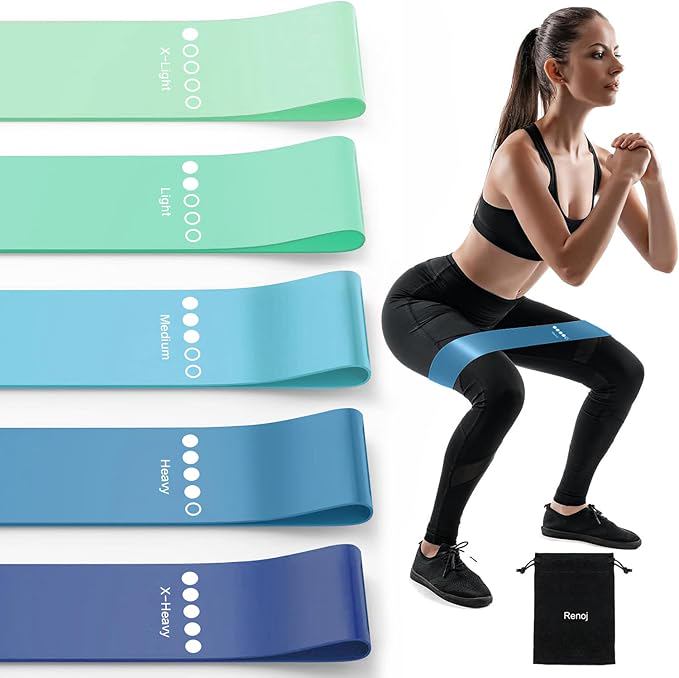
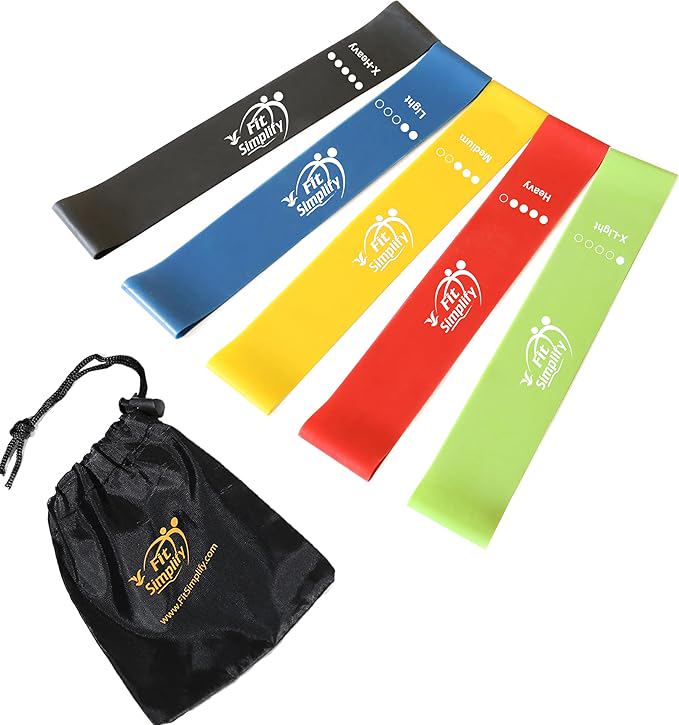
- Two to three walks or low-impact cardio days (separate from the leg sessions): keep walking for general health, but consider adding a brief glute activation warm-up (e.g., banded clamshells, standing glute squeezes) before each walk.
- One full rest or active recovery day: light stretching, foam rolling, or just a leisurely stroll.
This schedule distributes the mechanical load across the week, gives your knees time to adapt, and ensures your glutes and hamstrings are awake before they have to support your body during a walk or a lift.
A Note on Sitting Ergonomics and Knee Position
While workout frequency is the main lever, desk posture influences how your knees feel when you exercise. If your chair is too low or you habitually tuck your feet under the seat, your knees end up at greater than 90 degrees of flexion for hours. This shortens the quadriceps and adds resting tension to the patellar tendon. When you stand up and walk or squat, that tension spikes. A quick fix: adjust your chair so your hips are slightly higher than your knees and your feet rest flat on the floor. This small change helps your knees start from a more neutral position.
When to Check in with a Professional
If your knee pain is sharp, persistent, or accompanied by swelling, please consult a physical therapist or sports medicine provider. These frequency adjustments are general best practices for common, activity-related knee discomfort—they are not a substitute for individual diagnosis.