
Sitting at a desk for eight hours a day changes how your body handles exercise—especially strength training. If you're a desk worker who lifts weights or does bodyweight strength sessions, you might notice that you feel more sore, more fatigued, or more prone to tightness than someone who moves throughout the day. That's not in your head; it's a real physiological difference that affects how quickly your muscles recover.
When you sit for prolonged periods, your hip flexors shorten, your glutes go dormant, and your thoracic spine stiffens. These postural adaptations don't just disappear when you step into the gym. They create imbalances that force your body to work harder during strength work—and that means you need more recovery time between sessions than the typical guideline suggests.
How Prolonged Sitting Affects Muscle Recovery
Desk work is a low-energy, low-movement activity, but it's not neutral from a musculoskeletal standpoint. Sitting for hours keeps your hip flexors in a constant state of contraction, which reduces blood flow to the surrounding tissues. Your gluteal muscles, meanwhile, are essentially deactivated—stretched but not engaged, so they don't receive the same circulation as muscles that are regularly loaded through movement.
When you finally stand up to lift, squat, or lunge, the muscles that have been static are suddenly asked to produce force. The transition from inactivity to exertion increases micro-tears and metabolic waste buildup in those tissues. Because circulation has been sluggish during your workday, the cleanup and repair process is slower. That means lingering soreness and a longer window before you can safely train the same muscle groups again.
General Recovery Guidelines Don't Account for Sitting
Standard strength training advice suggests 48 hours of recovery between sessions for the same muscle group. That works reasonably well for people who move throughout the day—those who walk between meetings, stand while working, or have physically active jobs. But for someone who sits for six to ten hours straight, those 48 hours may not be enough.
Research in sports medicine indicates that sedentary behavior impairs muscle protein synthesis and reduces the body's ability to clear inflammation markers after exercise. One study found that even short bouts of sitting reduced leg blood flow by up to 40%, which directly impacts how quickly muscles can repair. For desk workers, the practical takeaway is that you may need 60 to 72 hours—or more—between heavy strength sessions for the same muscle groups.
Signs You're Not Recovering Enough
It's not always obvious that you need more recovery time, because desk workers often mistake persistent fatigue for laziness or lack of fitness. Here are concrete signs that your current recovery window is too short:
- Your lower back feels tight or achy during the workday after a squat or deadlift session, even if you had good form.
- You feel more sore on day three or four after a workout than you did on day two.
- Your hip flexors cramp or feel pinched when you stand up after sitting for an hour.
- Your strength numbers plateau or drop, even though you're following a progressive program.
- You feel mentally drained or irritable on training days, not energized.
Practical Strategies for Better Recovery Between Sessions
The good news is that you don't have to stop strength training or reduce intensity. You just need to adjust your recovery approach to account for the effect of sitting.
Increase the interval between sessions for the same muscle group
If you currently train full-body three times per week, consider switching to an upper-lower split or a push-pull-legs rotation that gives each muscle group four to five days of rest instead of two. For example, train lower body on Monday, then again on Thursday or Friday rather than Wednesday.
Incorporate movement breaks during the workday
This is not about adding more exercise. It's about preventing the circulation shutdown that happens when you sit for hours. Stand up and walk for two minutes every 30 minutes. Do a few bodyweight squats or hip flexor stretches. The goal is to keep blood moving to the glutes, hamstrings, and low back so that when you do strength train, the recovery clock starts from a better baseline.
Prioritize sleep and hydration for desk workers
Desk work often leads to poor posture that can interfere with sleep quality—forward head posture and tight chest muscles can make it harder to breathe deeply at night. Poor sleep directly slows muscle repair. Aim for seven to nine hours of quality sleep, and consider a hydration schedule: desk workers tend to sip coffee and forget water, but even mild dehydration slows recovery by reducing nutrient transport to muscle tissue.
Add active recovery on off days
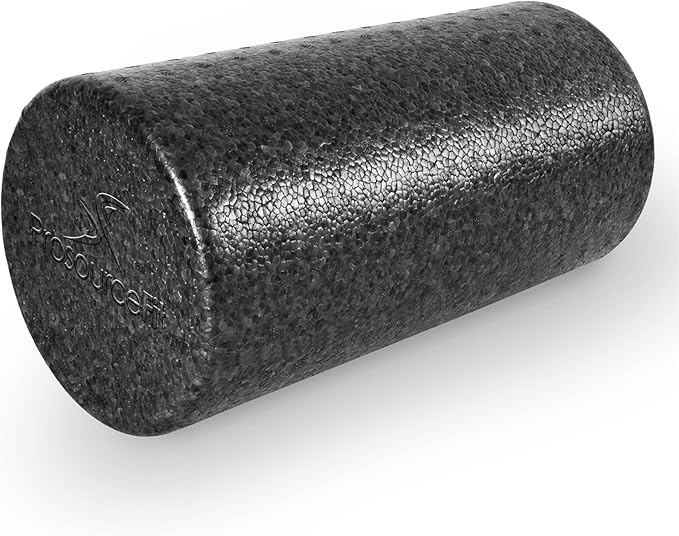
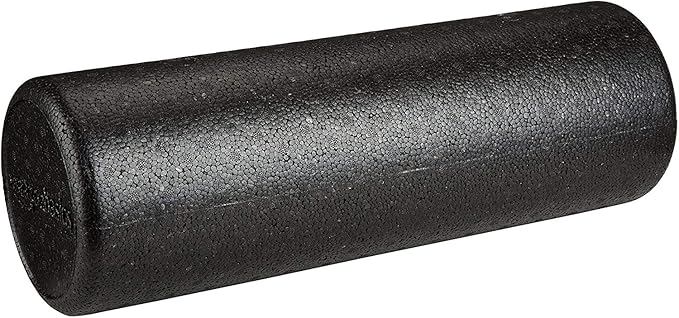
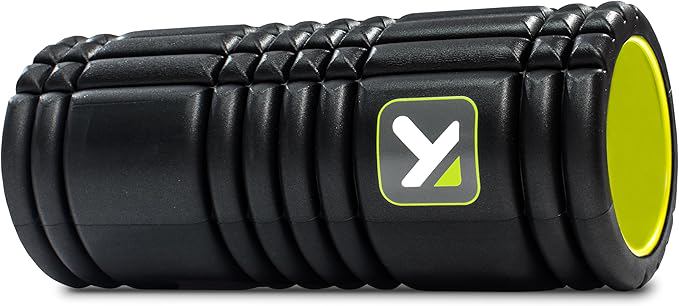
Active recovery doesn't have to be elaborate. A 20-minute walk, gentle yoga focused on hip opening and spinal mobility, or foam rolling for the glutes and thoracic spine can accelerate repair without adding fatigue. The key is that the activity is low intensity enough that you're not creating additional micro-tears.
Think of recovery not as a pause from training, but as the part of training that actually makes you stronger. Desk workers just need a slightly longer version of it.
When to Adjust Your Recovery Schedule Further
If you've extended your recovery window to 72 hours and still feel persistently sore or fatigued, consider whether other factors are at play. Poor desk ergonomics—like a chair that tilts your pelvis backward or a monitor that forces you to jut your chin forward—can create chronic tension that mimics overtraining. Fixing your workstation setup can reduce that baseline tension and improve your recovery capacity.
You might also need to reduce the volume or intensity of your strength workouts. Desk workers often benefit from higher rep ranges and lower loads, because that approach emphasizes blood flow and muscle endurance without the same degree of mechanical stress on already-tight tissues. This is not a weakness; it's a smarter way to train given the demands of your workday.
The bottom line is that recovery needs are individual, and your daily posture and movement patterns matter as much as what you do in the gym. If you sit for a living, honor that reality by giving your muscles the extra time and care they need to rebuild. Your strength gains will be steadier, your low back will thank you, and you'll be less likely to burn out or get injured.