You might think fresh-picked berries are the peak of nutrition. And they are—until they sit on a counter or in the fridge for a few days. Here's the twist: freezing berries may actually preserve—or even enhance—their antioxidant power. It sounds like kitchen lore, but there's real science behind it.
When a berry is picked, it's still alive and respiring. Over time, exposure to light, warmth, and oxygen degrades sensitive compounds like vitamin C and polyphenols. Freezing puts the brakes on that process, locking nutrients in place. In some cases, the formation of ice crystals can even break down cell walls slightly, making certain antioxidants more extractable when you eventually eat or blend the fruit.
What happens to antioxidants during freezing?
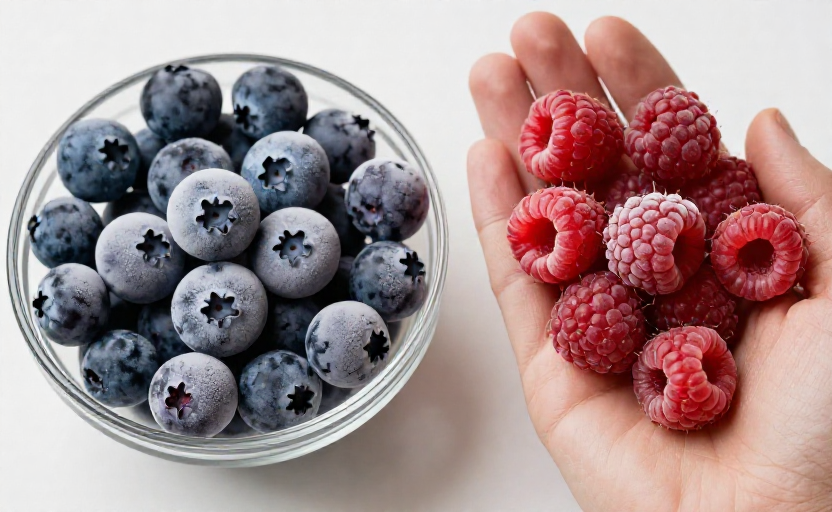
Berries are packed with anthocyanins—the pigments that give blueberries, blackberries, and strawberries their deep colors. These compounds are delicate. A study in the Journal of Agricultural and Food Chemistry found that frozen blueberries retained higher levels of anthocyanins than fresh ones stored at room temperature over several days. The freezer acts like a pause button: it slows oxidation and enzymatic breakdown.
That said, blanching (a step used for some vegetables before freezing) can leach water-soluble nutrients. Berries are typically frozen without blanching, which helps them keep their nutritional profile more intact.
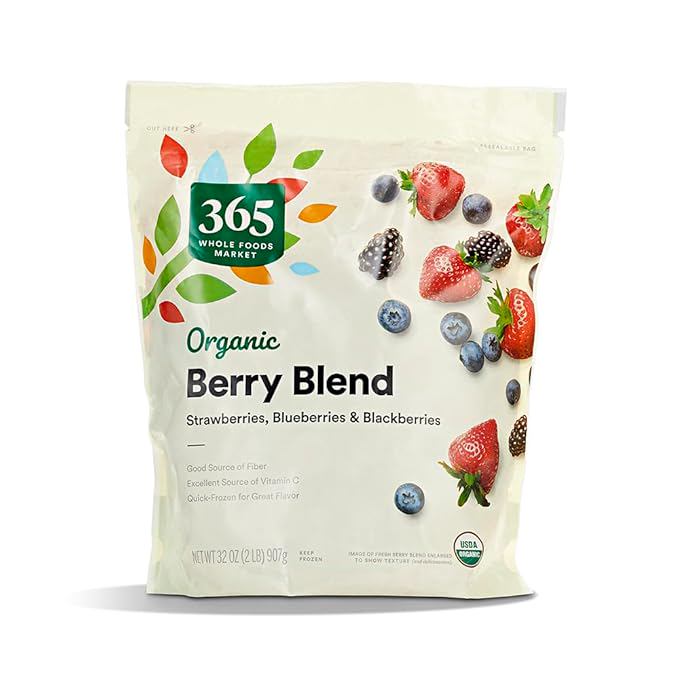
Quick tip: Individually quick-frozen (IQF) berries are often flash-frozen within hours of picking, which means less nutrient loss than slow freezing at home.
Does freezing affect taste or texture?
Yes, and this matters for how you use them. When water inside a berry freezes, it expands and ruptures cell walls. That's why thawed berries are softer and mushier than fresh ones. However, the flavor remains concentrated, and the nutrient density per gram is essentially unchanged. Frozen berries are excellent for smoothies, overnight oats, baking, and sauces—anywhere the texture won't be a problem.
For eating out of hand or topping a delicate dessert, fresh berries remain the better choice. But for everyday antioxidant intake, the freezer section is your ally.
How to freeze berries at home for maximum benefit
You don't need special equipment. Here's a straightforward method:
- Wash and dry: Rinse berries gently, then spread them on a clean towel to dry fully. Residual moisture turns into ice crystals that can degrade quality.
- Flash freeze: Arrange them in a single layer on a baking sheet lined with parchment paper. Freeze for 2–3 hours until firm.
- Bag and seal: Transfer the frozen berries to a freezer-safe bag or container, squeeze out as much air as possible, and seal.
This method prevents clumping and lets you pour out just the amount you need later.
Which berries freeze best?
Blueberries, blackberries, raspberries, and strawberries all freeze well. Cranberries are naturally sturdy and tolerate freezing especially well. Avoid overripe or damaged berries, as they will break down more in the freezer.
What the research says: frozen vs. fresh
Several comparative studies have looked at antioxidant capacity in fresh versus frozen fruit. A 2015 study measured vitamin C, total phenolics, and antioxidant activity in eight different fruits and vegetables. In many cases, frozen samples had comparable or higher levels of certain nutrients than their fresh counterparts after several days of storage. The key takeaway is that "fresh" from the supermarket has often been stored for days or weeks, so its nutrient content is already declining.
- Anthocyanins: Better preserved in frozen berries than in fresh berries stored at room temperature.
- Vitamin C: May decrease slightly during the freezing process itself but is retained longer during frozen storage.
- Fiber: Unchanged by freezing, so that benefit remains intact.
Shopping tip: Look for bags labeled "flash-frozen" or "IQF" (individually quick frozen). These berries were frozen soon after harvest, locking in peak ripeness and nutrition.
Practical ways to eat more frozen berries
The simplest step is to keep a bag in your freezer at all times. Use them in:
- Smoothies (no need to thaw first)
- Oatmeal or chia pudding (stir in frozen, they'll warm through)
- Homemade jam or compote
- Baked goods like muffins and pancakes
- Yogurt bowls (add frozen and let sit for a few minutes)
Frozen berries are also usually more affordable than fresh, especially when a fruit is out of season. That means you can include a wider variety—boysenberries, currants, and mixed forest berries—without straining your budget.
So the next time you're in the produce aisle, consider grabbing an extra bag for the freezer. Your antioxidant intake will thank you.