Flaxseeds have become a staple in many health-conscious kitchens. They are small, nutty, and packed with fiber and lignans. But when it comes to omega-3 fatty acids, relying solely on flaxseeds may leave you shortchanged. The reason comes down to the type of omega-3 they contain—and how your body handles it.
Understanding this difference matters if you are trying to support heart health, brain function, or reduce inflammation through diet. Here is a clear look at why flaxseeds are not a complete swap for fish-based omega-3s, and which foods can help you cover your bases.
What Type of Omega-3 Do Flaxseeds Actually Provide?
Flaxseeds are rich in alpha-linolenic acid (ALA), a plant-based omega-3 fatty acid. ALA is considered essential because your body cannot produce it on its own. However, before ALA can deliver the same benefits associated with fish oil—such as supporting cardiovascular and cognitive health—it must be converted into two other forms: eicosapentaenoic acid (EPA) and docosahexaenoic acid (DHA).
This conversion process is inefficient. Estimates suggest that only about 5 to 10 percent of ALA is converted to EPA, and even less (around 2 to 5 percent) converts to DHA. This means that even if you eat plenty of flaxseeds, your body may still be running low on the long-chain omega-3s that are most active in your system.
Why ALA Alone May Not Be Enough
For most people, ALA from plant sources does offer some health value. It contributes to overall omega-3 status and may support heart health when part of a balanced diet. But for targeted benefits—such as lowering triglycerides, supporting fetal brain development, or managing inflammation—the body needs direct sources of EPA and DHA.
Several factors can further hinder ALA conversion, including low intake of other fats, high intake of omega-6 fatty acids (common in processed foods), and individual health conditions. Age and genetics also play a role, which means some people convert even less efficiently than others.
Who Is Most at Risk of Missing Out?
Vegetarians and vegans who rely entirely on plant sources like flaxseeds, chia seeds, and walnuts for omega-3s are most vulnerable to low EPA and DHA levels. Several studies have shown that vegans and vegetarians often have lower blood and tissue levels of DHA compared to fish-eaters, even when their ALA intake is adequate.
Pregnant women, older adults, and individuals with inflammatory conditions may also benefit from paying closer attention to their DHA and EPA intake. For these groups, depending solely on flaxseeds is unlikely to meet the body’s demands.
What to Eat Instead for EPA and DHA
To ensure you are getting enough of the active forms of omega-3s, consider including these foods in your routine:
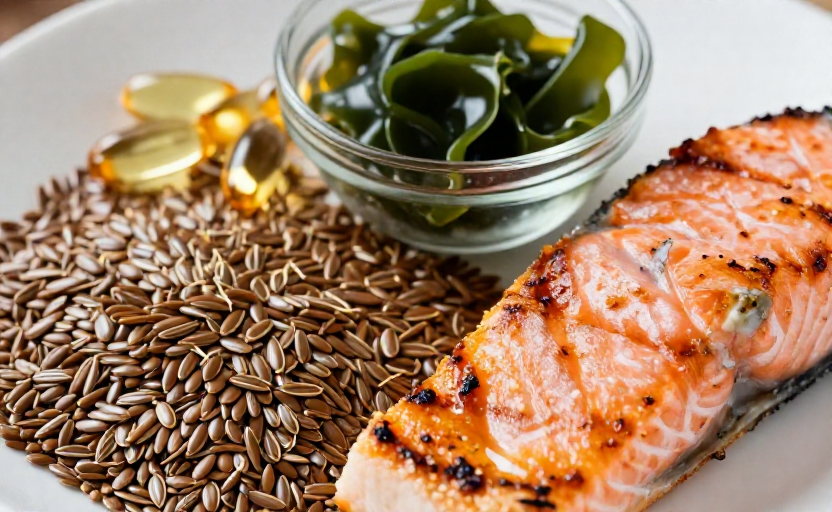
- Fatty fish. Salmon, mackerel, sardines, herring, and anchovies provide preformed EPA and DHA. The American Heart Association recommends two servings of fatty fish per week for most adults.
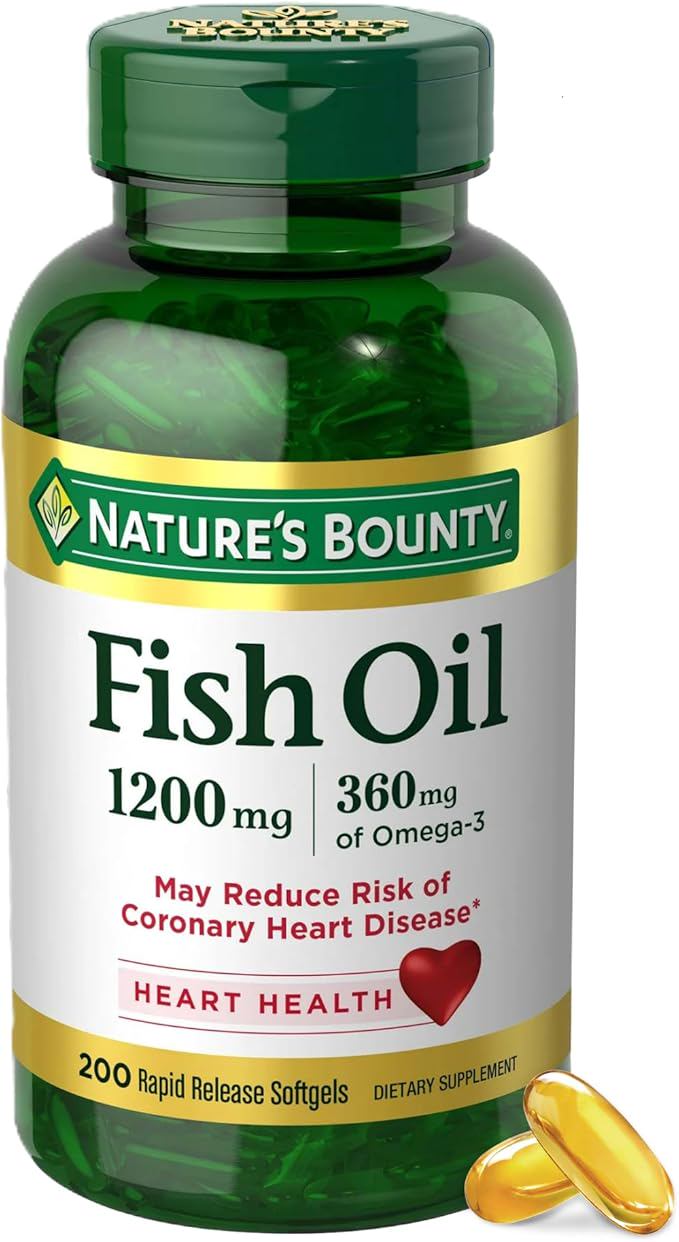
- Fish oil or algae oil. High-quality fish oil supplements deliver concentrated EPA and DHA. For those avoiding animal products, algae-based supplements provide DHA directly, with some brands also offering EPA.
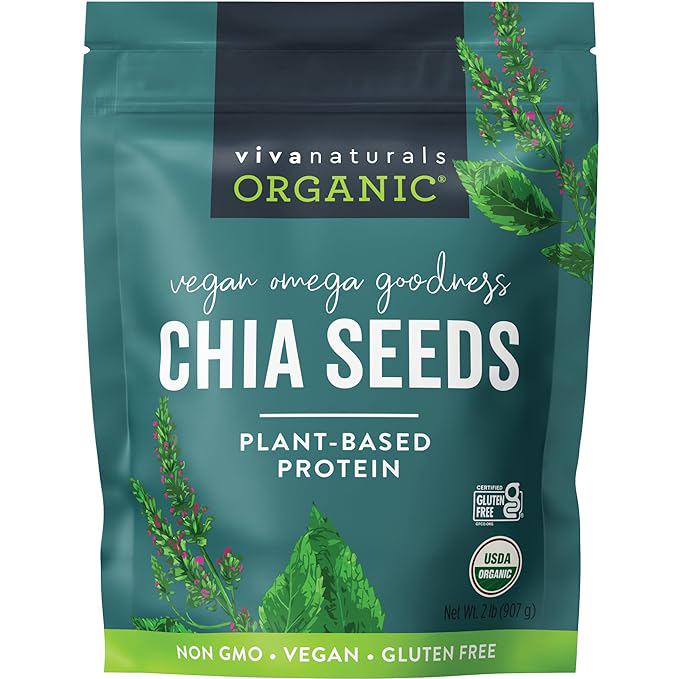
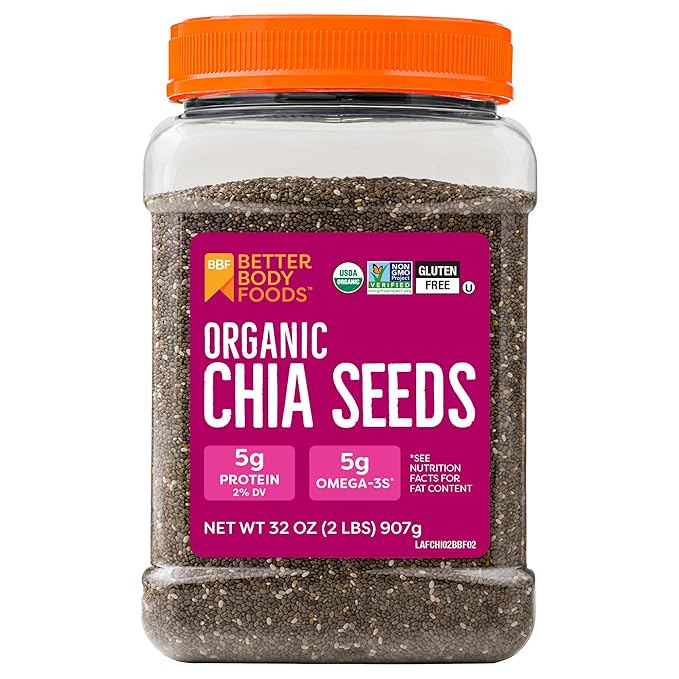
- Chia seeds and hemp seeds. While still sources of ALA, these seeds offer a different nutrient profile and may complement a well-rounded diet. They do not solve the conversion problem, but they provide fiber, protein, and minerals.
- Walnuts. Another ALA source, walnuts support heart health but still depend on conversion for EPA and DHA. They are best used alongside other sources, not in place of them.
Can You Boost Conversion Efficiency?
There are dietary strategies that may slightly improve how your body uses ALA. Reducing intake of omega-6 fats from vegetable oils (such as sunflower, corn, and soybean oils) can shift the balance toward better conversion. Getting enough zinc, magnesium, and vitamin B6 also supports the desaturase enzymes involved in the conversion process. However, these changes are modest at best and do not eliminate the need for preformed DHA and EPA, especially for higher-risk groups.
Bottom Line on Flaxseeds and Omega-3s
Flaxseeds are a nutrient-dense food worth including for fiber, lignans, and general health. But as a one-to-one swap for fish-based omega-3s, they fall short because the body struggles to convert ALA into the EPA and DHA it can actually use. A smart approach is to eat flaxseeds as part of a variety of omega-3 sources, and to rely on fatty fish or algae supplements for direct EPA and DHA when possible.