Nightshade vegetables — tomatoes, potatoes, eggplants, and bell peppers — are staples in many kitchens. But for years, they've also been at the center of a lingering question: Do they cause inflammation? The concern usually traces back to a group of naturally occurring compounds called alkaloids, which some believe trigger joint pain or digestive discomfort. Let's take a clear-eyed look at what the science actually says.
What Are Nightshade Vegetables?
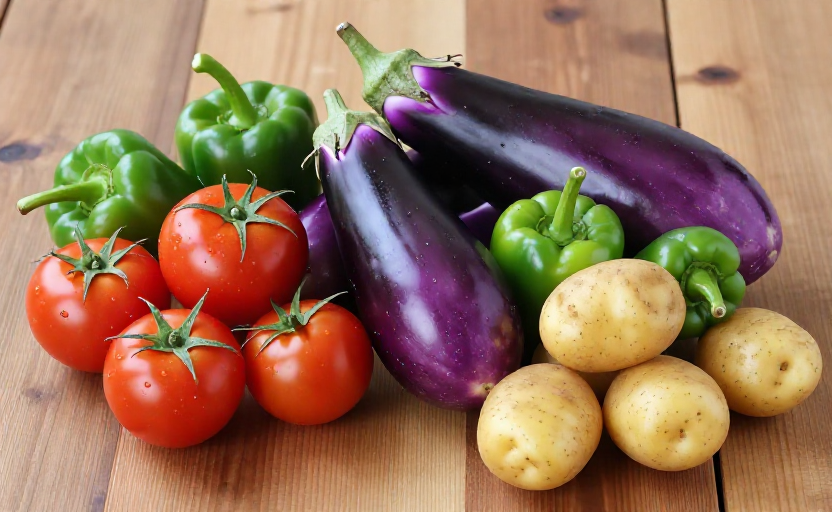
Nightshades belong to the Solanaceae family of plants. Common edible members include:
- Tomatoes (and tomato-based products like sauce and juice)
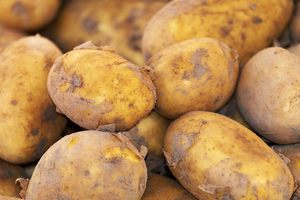
- Potatoes (not sweet potatoes or yams — those are different families)
- Eggplants
- Bell peppers and chili peppers
- Paprika, cayenne, and red pepper flakes
These plants produce alkaloids — such as solanine in potatoes and tomatine in tomatoes — as a natural defense against insects. In very high doses, these compounds can be toxic, but the amounts found in typical food servings are far below any dangerous threshold for most people.
Can Nightshades Trigger Inflammation?
The idea that nightshades worsen inflammation stems largely from anecdotal reports, especially among people with autoimmune conditions like rheumatoid arthritis. However, controlled studies paint a more nuanced picture. Most clinical research has not found a direct, consistent link between nightshade consumption and increased inflammatory markers in the general population.
That said, a small subset of individuals may be sensitive to alkaloids. For these people, eating nightshades could contribute to digestive irritation or joint stiffness. This is likely an individual sensitivity rather than a universal effect. In fact, some components of nightshades — like the antioxidant lycopene in tomatoes and capsaicin in chili peppers — have demonstrated anti-inflammatory properties in laboratory and observational studies.
Who Might Want to Be Cautious?
If you have a diagnosed autoimmune condition (like rheumatoid arthritis, lupus, or inflammatory bowel disease) and you suspect certain foods worsen your symptoms, nightshades may be worth a closer look. Some rheumatologists and dietitians suggest an elimination diet: remove all nightshades for two to four weeks, then reintroduce them one at a time while noting any changes in pain, swelling, or digestion.
“The vast majority of people can eat nightshades without any negative effects. Elimination diets are best done under the guidance of a registered dietitian to ensure nutritional adequacy,” advises a clinical nutrition specialist.
What Does the Research Say?
Large-scale, long-term studies on nightshades and inflammation are still limited, but existing evidence offers some reassurance:
- A 2020 review in Nutrients concluded that no robust evidence supports avoiding nightshades for inflammation or autoimmune conditions in the general population.
- Some animal studies suggest that potato glycoalkaloids can aggravate intestinal permeability (leaky gut) in high doses, but human data is lacking.
- Conversely, chili peppers (capsaicin) are used topically for pain relief and may have systemic anti-inflammatory effects.
Overall, the likelihood that nightshades cause clinically meaningful inflammation in most people appears low. Individual sensitivity, however, is real and deserves attention.
Should You Avoid Nightshades?
Unless you have a confirmed sensitivity, there is little reason to eliminate nutrient-rich nightshades from your diet. They provide fiber, vitamins (especially vitamin C and vitamin A), potassium, and antioxidants. For example, one medium tomato supplies about 20% of your daily vitamin C needs.
If you decide to test your own tolerance, keep a symptom diary. Note what you eat, how much, and how you feel in the hours and days afterward. This is more reliable than guesswork. And if you do find that nightshades bother you, there are plenty of other vegetables — such as leafy greens, cruciferous veggies, carrots, and sweet potatoes — that can fill the same nutritional gaps.
The Bottom Line
Nightshade vegetables are not inherently inflammatory for the majority of people. The fear around them is mostly based on theory and anecdote rather than strong human trials. If you have an autoimmune condition or chronic joint pain, it may be worth exploring your personal response — but don’t feel pressured to cut out tomatoes, peppers, or potatoes without good reason. As with most nutrition questions, the answer depends on the individual.
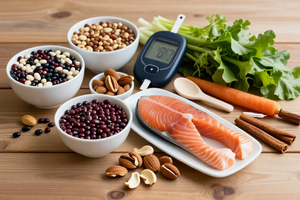
Focus on an overall anti-inflammatory dietary pattern (plenty of fruits, vegetables, whole grains, healthy fats, and lean protein) rather than singling out one food group. That approach is backed by far stronger science than any nightshade elimination.