
You crushed your deadlifts, your kettlebell swings, or maybe just a long day of yard work. Now, your lower back is talking to you — and not in a friendly way. Delayed onset muscle soreness (DOMS) in the lumbar region is common, but when it becomes a regular setback, it is worth looking at your plate, not just your form. Dietitians who work with active clients point out that certain nutrients directly influence how your muscles repair and how much inflammation your body produces.
Lower back soreness after a workout often involves the erector spinae, the multifidus, and the surrounding stabilizers. These muscles work hard during hip hinge patterns, rows, and even core work. While you sleep and rest, your body is rebuilding that tissue. You can support — or undermine — that process with what you eat in the hours after exercise.
Why your recovery meal matters for lower back muscles
Muscle soreness after training is a normal part of getting stronger. Micro-tears in muscle fibers trigger an inflammatory response that signals repair. The low back is particularly susceptible because it handles heavy loads and also stabilizes your torso. If you are not giving your body the raw materials for repair, you are more likely to feel stiff, sore, and slow to bounce back for your next session.
Registered dietitians often focus on three core areas when a client reports persistent back soreness: reducing excessive inflammation, replenishing muscle glycogen, and providing adequate protein for structural repair. Getting those right can turn a three-day ache into a moderate twelve-hour soreness.
Protein: The structural repair nutrient
Protein provides the amino acids that rebuild muscle tissue. For lower back recovery, the timing matters. Research suggests that consuming 20 to 40 grams of protein within two hours after a tough workout can maximize muscle protein synthesis. You do not need a fancy supplement — a chicken breast, a can of tuna, a cup of cottage cheese, or a tofu scramble all deliver the goods.
Dietitians often recommend leucine-rich protein sources, because leucine is the primary amino acid that triggers muscle building. Eggs, dairy, soy, and animal proteins are high in leucine. If you are plant-based, combining foods like beans and rice, or opting for a pea protein shake, can give you a similar effect.
Omega-3 fatty acids for controlling inflammation
Inflammation is part of the healing process, but too much inflammation can make soreness worse and last longer. Omega-3 fatty acids, particularly EPA and DHA, help modulate this response. A study from the Journal of the International Society of Sports Nutrition found that athletes who supplemented with fish oil experienced less muscle soreness after eccentric exercise.
You can get omega-3s from fatty fish like salmon, mackerel, and sardines. If you are not a fish eater, walnuts, chia seeds, flaxseeds, and algae-based supplements are good alternatives. Dietitians commonly suggest including one serving of fatty fish a couple of times per week to keep inflammation in check.
Magnesium and muscle relaxation
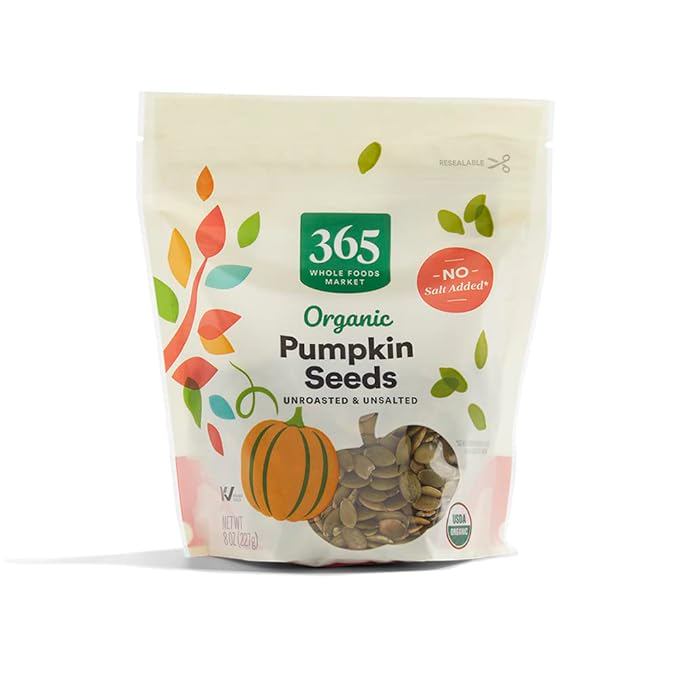
Magnesium plays a role in muscle contraction and relaxation. When you work your lower back hard, those muscles contract repeatedly. Low magnesium levels can contribute to cramps, tightness, and slower recovery. Dark leafy greens like spinach and Swiss chard are excellent sources. So are pumpkin seeds, almonds, black beans, and avocado.
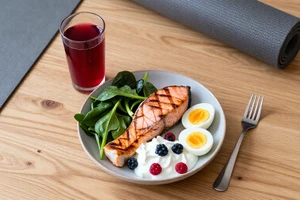
A simple dinner salad with spinach, grilled salmon, and a handful of pumpkin seeds covers magnesium, omega-3s, and protein all at once. That is the kind of meal dietitians call a "recovery triple threat."
Antioxidant-rich foods for oxidative stress
Intense exercise creates oxidative stress, which contributes to muscle soreness. Antioxidants from fruits and vegetables can help neutralize some of that stress. Cherries, especially tart cherries, have been studied for their ability to reduce muscle pain and speed recovery. In one study, runners who drank tart cherry juice reported less muscle pain after a long race than those who took a placebo.
Berries, oranges, bell peppers, and broccoli are all solid choices. A post-workout smoothie with a handful of frozen cherries, a banana, some spinach, and a scoop of protein powder is both practical and effective.
Hydration and electrolyte balance
Lower back muscles are deep and dense. When you are dehydrated, your blood volume drops, making it harder for nutrients to reach those tissues. Even mild dehydration can worsen perceived soreness. Water is the obvious choice, but electrolyte minerals — sodium, potassium, and calcium — are also lost through sweat.
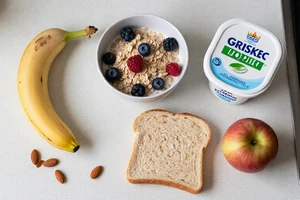
A banana after a workout provides potassium and a quick source of carbs. Adding a pinch of salt to your water or eating a salty snack like pretzels can help restore sodium. Dairy milk, surprisingly, is an excellent post-workout recovery drink because it contains protein, calcium, and electrolytes.
What to eat in the 24 hours after a back-heavy workout
Instead of obsessing over one single meal, consider the full day after a tough lower body session. Breakfast could be scrambled eggs with spinach and whole grain toast. Lunch might include a quinoa bowl with black beans, roasted vegetables, and a lemon-tahini dressing. Dinner could be baked salmon with sweet potato and steamed broccoli. Snacks in between — an apple with almonds, cottage cheese with pineapple, or a handful of dried tart cherries — all contribute to the recovery picture.
Meals that combine protein, complex carbs, and colorful vegetables deliver the widest coverage for muscle repair, electrolyte balance, and inflammation control.
Foods that might make back soreness worse
Just as some foods help, others can hinder recovery. Highly processed foods, refined sugars, and excessive alcohol can promote inflammation. If you are already sore, a heavy meal of fried food and sugary soda may amplify discomfort. That does not mean you can never have pizza again — but in the window after a demanding back workout, your body will thank you for choosing nutrient-dense options.
When to see a professional
If your lower back soreness is sharp, stays for more than a week, or radiates down your leg, talk to a doctor or physical therapist. The right nutrition can support normal muscle recovery, but it is not a fix for an injury. Dietitians work best as part of a team that includes your coach and healthcare provider.
The bottom line
What you eat after a workout directly affects how your lower back feels. Prioritize protein for repair, omega-3s for inflammation, magnesium for relaxation, and antioxidants for oxidative stress. Keep hydration steady. And remember — no single food is magic. Consistent, balanced eating across your training week makes the biggest difference.