
Keeping blood sugar steady throughout the day isn't just about avoiding sweets—it's about choosing the right balance of nutrients at every meal. Diabetes experts emphasize that the foundation of stable glucose is a plate built on protein, fiber, and healthy fats, with carbohydrates coming from whole, unprocessed sources. Here's what to reach for when you want to keep your energy even and your blood sugar in a healthy range.
Why the right food matters more than cutting everything out
Managing blood sugar isn't about deprivation. It's about understanding how different foods affect your body. When you eat carbohydrates, your body breaks them down into glucose, which enters your bloodstream. The key is to slow that process down so your blood sugar doesn't spike and crash. That's where protein, fiber, and fat come in. They act as natural buffers, slowing digestion and giving your body more time to process glucose effectively.
Carbohydrates themselves aren't the enemy—the source matters. Expert guidance consistently points to complex carbohydrates (think whole grains, legumes, and vegetables) over refined ones. These foods release glucose gradually, unlike white bread, sugary drinks, and processed snacks that flood your system quickly.
Protein-rich foods that help stabilize blood sugar
Including protein at every meal is one of the most practical steps you can take. Protein helps slow the absorption of carbohydrates and promotes satiety, making it easier to avoid between-meal snacking on less helpful options.
- Eggs – A versatile source of high-quality protein. Studies suggest that eating eggs as part of a balanced breakfast can help improve glycemic control throughout the day.
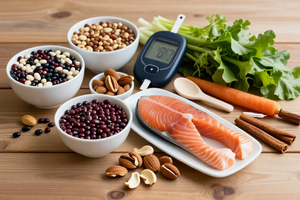
- Fish and seafood – Fatty fish like salmon, mackerel, and sardines provide both protein and anti-inflammatory omega-3 fats, which are especially beneficial for heart health—a major concern for those managing diabetes.
- Lean poultry and meat – Chicken, turkey, and lean cuts of beef or pork offer protein without excessive saturated fat.
- Legumes – Lentils, chickpeas, black beans, and kidney beans are a double win: they're rich in protein and packed with fiber. Replacing some refined starches with legumes has been shown to significantly improve blood sugar control.
- Greek yogurt and cottage cheese – Choose plain, unsweetened varieties. The protein content is substantial, and the probiotics can support gut health, which may play a role in metabolic function.
Fiber-rich foods that slow glucose release
Fiber is a superstar for blood sugar management. It's the part of plant foods that your body can't fully digest, which means it helps regulate how fast sugar enters your bloodstream. Experts recommend aiming for at least 25–30 grams of fiber a day from whole foods, not supplements.
Non-starchy vegetables should take up half your plate at lunch and dinner. They provide volume, nutrients, and fiber with minimal impact on blood sugar.
Some of the best sources include:
- Leafy greens (spinach, kale, Swiss chard) – Low in carbohydrates, rich in vitamins and fiber.
- Broccoli and cauliflower – Provide fiber, vitamin C, and compounds called sulforaphane that may have protective effects on blood vessels.
- Berries – Unlike tropical fruits, berries are lower in sugar and high in fiber. Blueberries, raspberries, and blackberries are excellent choices for satisfying a sweet tooth.
- Nuts and seeds – Almonds, walnuts, chia seeds, and flaxseeds deliver fiber plus healthy fats and magnesium, a mineral linked to better insulin sensitivity.
- Whole grains – Oats, quinoa, barley, and farro retain their bran and germ, meaning they offer more fiber and nutrients than refined grains. Steel-cut oats, for instance, have a much lower glycemic impact than instant oatmeal.
Healthy fats that support metabolic health
Fats are not the problem—they're part of the solution. Monounsaturated and polyunsaturated fats improve cholesterol profiles and help maintain steady blood sugar when they replace refined carbohydrates.
- Avocado – Add it to salads, use it as a spread on whole-grain toast, or eat it plain. Avocados provide heart-healthy monounsaturated fat and fiber.
- Olive oil – A cornerstone of the Mediterranean diet, extra virgin olive oil is rich in antioxidants and linked to reduced inflammation and better glycemic control.
- Fatty fish (again) – The omega-3 fats in fish like tuna and herring can help reduce the chronic low-grade inflammation associated with insulin resistance.
Smart carbohydrate choices: what experts actually recommend
Carbohydrate quality matters more than quantity for many people. Instead of cutting carbs entirely, experts suggest swapping them for better options.
- Choose whole fruit over fruit juice. Whole fruit contains fiber that juice lacks. A whole apple is far better for blood sugar than a glass of apple juice, even if unsweetened.
- Opt for sweet potatoes or winter squash over white potatoes. While white potatoes can fit into a balanced diet in moderation, sweet potatoes offer more fiber and a lower glycemic load.
- Include beans and lentils as a carb source. They digest more slowly than grains and provide protein, making them one of the best foods for stabilizing glucose.
Practical meal-building advice from experts
Instead of focusing on what you can't have, diabetes specialists recommend a more constructive framework. When you sit down to eat, visualize your plate: fill half with non-starchy vegetables, one quarter with lean protein, and one quarter with complex carbohydrates or starchy vegetables. Add a small amount of healthy fat, such as a drizzle of olive oil or a handful of nuts.
This approach naturally balances your meal and supports steady blood sugar without needing to count every gram. Consistency is just as important as content—eating at regular intervals helps avoid both high spikes and dangerous lows.
One final piece of advice that comes up often: stay hydrated. Water is best. Drinks with added sugar—soda, sweetened tea, fruit punch—can spike blood sugar faster than almost any food. Even 100% fruit juice, while it contains vitamins, can be problematic because it lacks the fiber that would normally slow absorption.
Building your diet around whole, minimally processed foods, with an emphasis on vegetables, lean protein, legumes, nuts, and healthy oils, is the approach that most closely matches what diabetes experts recommend for long-term stability. Small, consistent changes add up to meaningful results.