Processed lunch meats—think salami, bologna, ham, and turkey slices—are a pantry staple for quick sandwiches and easy lunches. But if you have read the ingredient labels or the nutrition facts, you know they often come loaded with sodium, preservatives like nitrates, and saturated fat. Health organizations have linked regular consumption of these processed meats to an increased risk of heart disease and certain cancers. So, what should you eat instead? We asked dietitians for their top swaps that are just as convenient but far better for your health.
Why dietitians say to skip the cold cuts
It is not about fear-mongering or cutting out every processed food. The concern is frequency and quantity. “Many processed meats are classified as Group 1 carcinogens by the World Health Organization, meaning there is strong evidence they can cause cancer,” explains registered dietitian Sarah Mitchell. Beyond that, a single serving of deli meat can pack 500 to 800 milligrams of sodium—about a third of your daily limit—before you even add cheese or bread. That kind of intake can raise blood pressure and put strain on your heart over time.
Dietitian-approved alternatives that feel like lunch meat
The best swaps mimic the convenience and flavor of sliced meats but come from whole-food sources. Here are the top picks dietitians recommend.
1. Sliced roasted chicken or turkey breast
Instead of buying pre-packaged deli turkey, roast a whole breast or a few thighs at the start of the week. Slice it thin and keep it in the fridge. “Homemade roasted poultry is lean, high in protein, and has none of the preservatives or excess sodium,” says dietitian Priya Patel. You control the seasoning—try herbs, garlic, or a light citrus marinade. Use it in sandwiches, wraps, or salads.
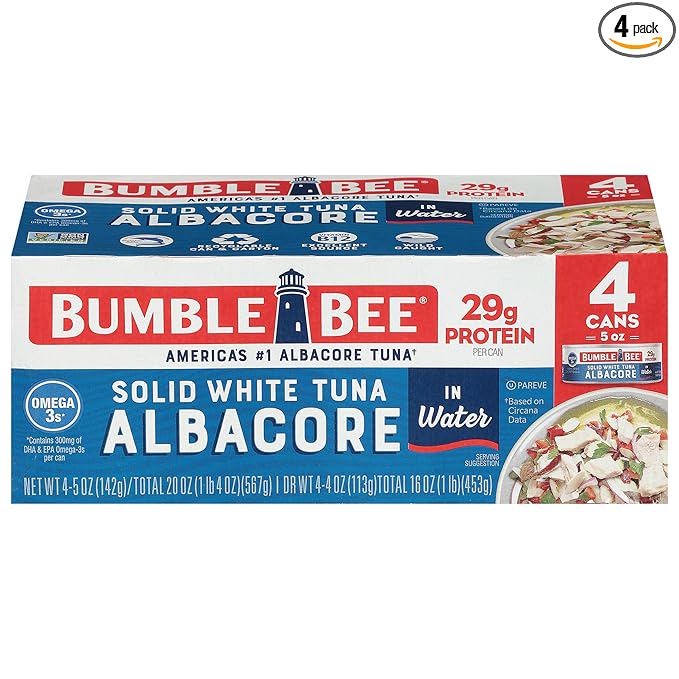
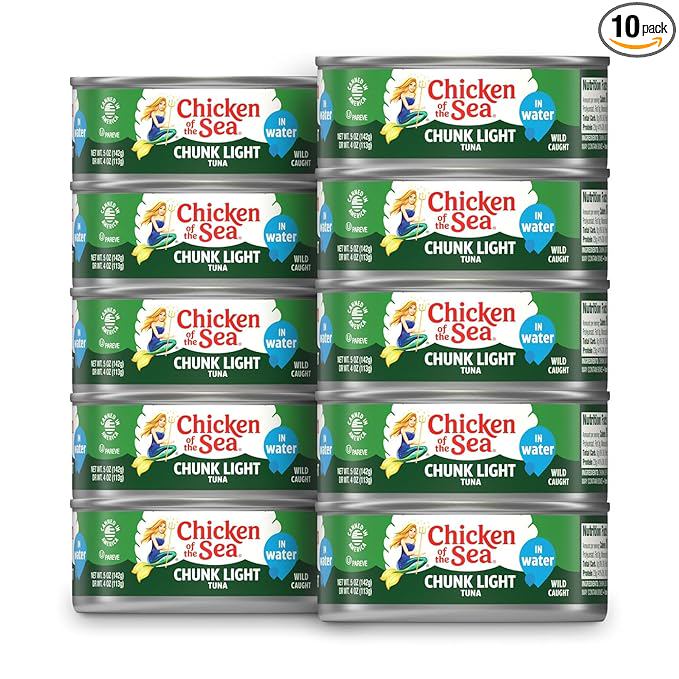
2. Canned fish: tuna, salmon, or sardines
Canned fish is one of the most convenient shelf-stable proteins available. Pack it in water or olive oil, mash it with avocado or Greek yogurt instead of mayo, and pile it onto whole-grain bread or crackers. “Tuna and salmon are rich in omega-3 fatty acids, which support brain and heart health,” Patel notes. Sardines are also excellent—they are low in mercury and high in calcium if you eat the bones.
3. Egg salad or tofu “egg” salad
Hard-boiled eggs are a protein powerhouse. Mash them with a touch of mustard, plain yogurt, and chopped celery for a classic egg salad. For a plant-based option, crumble firm tofu and season with black salt (kala namak) for an eggy flavor, plus turmeric for color. “This swap gives you protein, healthy fats, and no nitrates,” Mitchell says.
4. Sliced grilled tofu, tempeh, or seitan
These plant proteins absorb marinades beautifully. Slice tempeh or extra-firm tofu into thin slabs, marinate in soy sauce, maple syrup, and smoked paprika, then pan-fry or bake until golden. “They have a chewy, satisfying texture similar to deli meat,” Patel explains. Use them cold in sandwiches or warm in grain bowls.
Tip: If you miss the smoky flavor of ham or salami, add smoked paprika or a drop of liquid smoke to your marinade—it mimics that cured taste without the nitrates.
What about vegetarian deli slices?
Store-bought veggie “meats” like seitan-based or soy-based slices can be okay, but read the labels carefully. Many still contain high sodium, processed oils, and additives. “Look for brands with fewer than 300 mg of sodium per serving and a short ingredient list,” Mitchell advises. Some cleaner options are made from pea protein or whole-food ingredients, but they are still processed. Use them as an occasional swap, not a daily staple.
How to build a better lunch plate
Instead of the classic processed-meat sandwich, try these dietitian-designed combos:
- Protein + produce + whole grain: Sliced chicken breast + avocado + tomato on whole-wheat sourdough.
- Fish-based wrap: Canned salmon + cucumber + dill + yogurt in a collard green leaf or whole-wheat tortilla.
- Plant-powered bowl: Grilled tempeh + roasted veggies + quinoa + tahini dressing.
- Egg salad lettuce cups: Scoop egg or tofu salad into butter lettuce leaves with sliced radish.
Making the switch easier
You do not have to go cold turkey from cold cuts. Start by replacing one or two lunches per week with a whole-food alternative. Batch-cook proteins on Sunday so you have grab-and-go options all week. “The goal is progress, not perfection,” Patel says. Over time, your taste buds adjust, and you will likely find the homemade versions more satisfying because they taste fresher and cleaner.
The bottom line
Processed lunch meats are convenient, but they are not your only option for a quick, high-protein lunch. Dietitians recommend roasted poultry, canned fish, eggs, and plant-based proteins like tofu or tempeh as direct swaps. These alternatives deliver comparable convenience with far less sodium, no nitrates, and a much better nutritional profile. By making small, consistent changes, you can protect your long-term health without sacrificing taste or time.