You can eat the most nutrient-dense meal on the planet, but if your body can't properly absorb those vitamins and minerals, much of that effort goes to waste. Micronutrient absorption is a complex process that begins in the mouth and continues through the small intestine, and several common dietary habits can quietly undermine it. Here are five mistakes that may be blocking your body from getting the full benefit of the food you eat.
1. Drinking Tea or Coffee Too Close to a Meal
That soothing cup of green tea or morning coffee contains compounds called tannins and polyphenols. While these substances have antioxidant benefits, they also bind to non-heme iron (the type of iron found in plant foods like spinach, beans, and lentils) and reduce its absorption. A study published in the American Journal of Clinical Nutrition found that drinking tea with a meal can reduce iron absorption by as much as 60–70%. Coffee has a similar effect, though slightly less pronounced.
If you are prone to low iron or follow a plant-based diet, try enjoying your tea or coffee at least one hour before or after your main meal. This simple timing shift can make a real difference in how much iron your body takes in.
2. Overloading on Calcium-Rich Foods During an Iron-Rich Meal
Calcium is essential for bone health, but it competes with iron for absorption in the small intestine. When you consume a high-calcium food—like dairy products, fortified plant milks, or calcium supplements—alongside an iron-rich meal, the calcium can inhibit the uptake of both heme and non-heme iron.
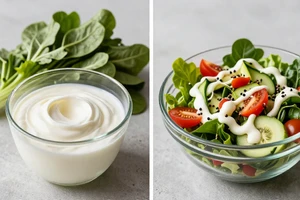
For example, pairing a spinach salad with a glass of milk or a cheese-heavy pasta dish with a side of broccoli may reduce the iron you absorb from those foods. This doesn't mean you should avoid calcium, but consider spacing out your calcium intake. Eat your iron-rich foods during one meal and your calcium-rich foods a few hours later.
3. Consuming High-Fiber Foods Without Proper Preparation
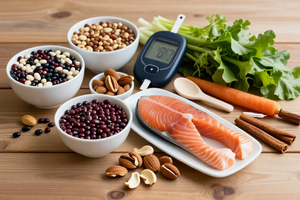
Fiber is vital for digestive health and blood sugar regulation, yet certain types of fiber—particularly phytates found in whole grains, nuts, seeds, and legumes—can bind to minerals like zinc, iron, calcium, and magnesium and reduce their absorption. This is not a reason to cut fiber out of your diet; fiber is too important.
The key is preparation. Soaking, sprouting, or fermenting grains and legumes can significantly reduce phytate content. For example, soaking oats overnight or using sourdough starter for bread can make the minerals in these foods more bioavailable. Pairing high-phytate foods with vitamin C, such as adding lemon juice to lentil soup or eating an orange with your oatmeal, can also counteract some of the mineral-blocking effects.
4. Taking Antacids or Acid-Blocking Medications with Meals
Stomach acid plays a crucial role in releasing minerals and vitamins from food. It helps break down the structure of foods so that nutrients like vitamin B12, iron, calcium, and magnesium can be extracted and absorbed in the small intestine. Antacids and proton pump inhibitors (PPIs) lower stomach acidity, which can interfere with this process.
If you take these medications regularly—whether over-the-counter or by prescription—you may be at higher risk for deficiencies in vitamin B12, iron, and magnesium. This is not medical advice to stop taking prescribed medication, but it is worth being aware of the potential interaction. If you are concerned, speak with your healthcare provider about monitoring your nutrient levels or adjusting the timing of your medication.
5. Drinking Alcohol with a Meal
Alcohol affects the digestive system in multiple ways. It can damage the lining of the stomach and small intestine, reducing the number of cells that absorb nutrients. It also interferes with the transport of certain vitamins, including folate, vitamin B12, and vitamin D. Even a single alcoholic drink with a meal may temporarily reduce the absorption of some nutrients.
Beyond absorption, alcohol can increase the excretion of water-soluble vitamins like vitamin C and the B-complex vitamins through urine. If you enjoy a glass of wine or beer with dinner, moderation is key. The occasional drink is not a major concern for a generally healthy person, but daily drinking may compound absorption issues.
Simple Steps to Improve Absorption
None of these habits need to be eliminated entirely. Awareness is the first step. If you love tea, drink it between meals. If you enjoy a glass of red wine with dinner, pair it with a meal that isn't heavily reliant on iron absorption from plants. If you eat a high-fiber diet, use traditional preparation methods like soaking and sprouting.
A diet rich in whole foods is still your best bet for overall health. The small adjustments above simply help ensure the nutrients in that food actually reach your bloodstream where they can do their work.