
You pay attention to your plate. You cook balanced meals, reach for whole foods, and try to cover all your nutritional bases. So when you still feel run-down, catch every bug that goes around, or notice changes in your skin and hair, it can feel confusing—even frustrating. The truth is, it’s possible to eat well and still fall short on certain nutrients, especially zinc and iron. These two minerals are notoriously tricky: even a seemingly healthy diet can deliver less than you think, and absorption can be blocked by factors you might not suspect.
Here are four signs that your body may be waving a flag for low zinc or low iron—even when you feel like you’re doing everything right.
1. You’re tired all the time, even after a full night’s sleep
We all have sluggish days, but persistent fatigue that rest doesn’t fix is one of the classic markers of iron deficiency. Iron is essential for making hemoglobin, the protein in red blood cells that carries oxygen to your tissues. When iron runs low, every cell in your body gets less oxygen—and you feel it as that bone-deep exhaustion that coffee can’t touch. You might also notice you get winded easily during workouts or even when climbing a flight of stairs.
Zinc plays a supporting role here too. It helps regulate energy metabolism, and a shortfall can leave you feeling drained even if your iron levels are normal. So if you’re sleeping enough but still dragging yourself through the day, it’s worth looking at both minerals.
2. Your immune system seems to be on a permanent vacation
Catching every cold that passes through your office or family? Noticing that minor cuts or scrapes take forever to heal? Both are tied to low zinc. Zinc is a master regulator of immune cell function—when levels dip, your body’s ability to fight off viruses and bacteria takes a hit. It’s also critical for wound healing and tissue repair.
Iron matters for immunity too, though the relationship is more complex. Low iron can weaken the response of certain immune cells, making you more vulnerable to infections. The catch? Some of the foods that are richest in iron (like red meat) also contain highly absorbable zinc, so a diet that’s low in one often signals a low intake of the other. If you’re vegetarian, vegan, or simply don’t eat much meat, the risk increases.
3. Your skin, hair, and nails are sending signals
When your body is short on zinc, your skin may be the first to complain. Common signs include dry, flaky patches, acne breakouts that won’t settle, or a condition called dermatitis (red, inflamed skin). Hair thinning or slow growth can also be a clue—zinc is involved in the hair follicle cycle, and a deficiency can push follicles into a resting phase.
Iron deficiency shows up differently but just as visibly. You might notice your nails becoming brittle or developing a spoon-like shape (called koilonychia). Pale skin and dark circles under the eyes can also signal low iron. On the opposite end, zinc plays a role in melanin production, so a deficiency can cause patches of lighter skin, especially on the face and hands.
4. Changes in taste and appetite
This one is a hallmark of zinc deficiency but often goes unrecognized. Low zinc can dull your sense of taste (a condition called hypogeusia), making food seem bland or metallic. You might also lose your appetite or notice that you’re just not as interested in eating as you used to be. In children, this can show up as picky eating or slow growth, but adults experience it too.
Iron deficiency, meanwhile, can trigger unusual cravings known as pica—for example, an urge to chew ice, dirt, or clay. While chewing ice is the most common form and isn’t inherently harmful, it’s often a red flag that iron stores are very low. Both of these appetite-related changes are easy to dismiss, but they’re worth paying attention to if your diet should be covering your needs.
What’s going on? Why your “eating well” may not be enough
You can eat a nutrient-dense diet and still run low on iron and zinc for several reasons. Here are a few of the most common hidden factors:
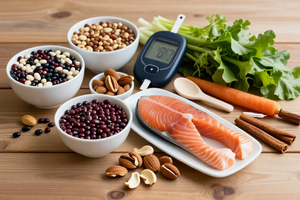
- Plant-based sources are less absorbable. While spinach, beans, and lentils are great sources of iron, the non-heme iron they contain is absorbed much less efficiently than the heme iron in meat, poultry, and fish. Zinc from plants is also less bioavailable. So even if your intake looks good on paper, your body may not be getting all of it.
- Phytates and oxalates can block absorption. Phytates (found in whole grains, legumes, nuts, and seeds) and oxalates (found in spinach, Swiss chard, and beet greens) bind to iron and zinc in the digestive tract, making them harder to absorb. Soaking, sprouting, or fermenting grains and legumes can help, but many people skip these steps.
- Common dietary choices interfere. Drinking coffee or tea with meals reduces iron absorption by up to 80 percent. Calcium-rich foods and supplements can also inhibit both iron and zinc absorption if taken at the same time.
- Increased needs or losses. Heavy menstrual bleeding, regular intense exercise, pregnancy, and certain digestive conditions (like celiac disease, Crohn’s, or ulcerative colitis) all increase the amount of iron and zinc your body requires or loses. A standard diet may not keep up.
What you can do about it
If you suspect you’re low in iron or zinc, start with a blood test before making any changes. Supplementation isn’t something to guess at—too much iron can be toxic, and high-dose zinc can interfere with copper absorption. A simple lab check can confirm whether a deficiency is real and guide next steps.
In the meantime, small tweaks can help you absorb more from the foods you already eat:
- Pair iron-rich plant foods with a source of vitamin C (like citrus, bell peppers, or tomatoes) to boost absorption.
- Separate coffee, tea, and high-calcium meals from your main iron- and zinc-rich meals by at least an hour or two.
- Choose heme sources of iron (lean meats, poultry, seafood) a few times a week if your diet permits, since they’re absorbed much more efficiently.
- Try to include zinc-rich foods like oysters, pumpkin seeds, chickpeas, cashews, and beef in your routine.
A quick caveat: The signs listed above can also point to other health issues. Fatigue, skin changes, and immune dips have many possible causes. Use this list as a conversation starter with your healthcare provider—not as a self-diagnosis tool.
Eating well is a powerful foundation for health, but it’s not always a guarantee that every nutrient is getting where it needs to go. Paying attention to the subtle signals your body sends can help you close those gaps—and get back to feeling like yourself again.