
When we think about getting the most out of our food, we usually focus on what we eat. But there is another layer to good nutrition that often goes overlooked: the timing of your meals. When you eat certain foods—especially protein-rich ones—your body's ability to break down and absorb key nutrients can change dramatically depending on the circumstances of your meal.
Protein is often called the building block of life, and for good reason. It supports immunity, muscle repair, and overall cellular health. But protein doesn't work in isolation. To absorb it effectively, your digestive system needs the right conditions and a little help from other nutrients. Understanding how this process works can help you avoid common pitfalls like protein malabsorption and poor gut health.
How your body absorbs protein step by step
The journey of protein absorption begins the moment you start chewing. As you break food down with your teeth, your stomach and pancreas prepare to do the heavy lifting.
Once a protein source lands in your stomach, an enzyme called pepsin—produced by the cells lining the stomach wall—starts breaking long protein chains into smaller fragments. Next, the pancreas releases its own enzymes, known as proteases, which chop those fragments into even smaller pieces called peptides and eventually into individual amino acids. From there, these amino acids travel into the bloodstream and then to the liver, which distributes them to cells throughout your body for tissue repair and muscle development.
“There’s no need to remember these scientific terms,” says Lavleen Kaur, a registered dietitian and co-founder of Diet Insight. “But it’s very important to understand how the absorption process works to avoid health problems. To absorb protein properly, we must focus on enhancing our gut health and pancreatic sufficiency.”
Does meal timing influence how well you absorb nutrients?
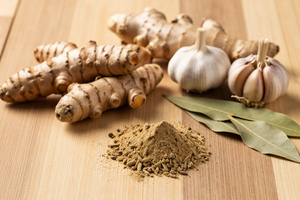
Yes, and in several ways. One of the most practical factors is what you drink—and when—before a meal. Consuming a digestive beverage about 20 to 30 minutes before eating can gently prime your stomach and pancreas to produce enzymes more efficiently. Options like ginger water, warm lemon water, or a small amount of apple cider vinegar diluted in water are traditional choices that may help activate your digestive system without overwhelming it.
Probiotic-rich foods like yogurt or a small serving of curd eaten just before a meal can also support the gut microbiome, which plays a critical role in nutrient absorption. Even your chewing speed matters: eating too quickly can flood your stomach with undigested protein, shocking the system and potentially leading to gut discomfort or immune reactions over time.
Food synergy: pairing nutrients for better absorption
Protein rarely works best on its own. Developing what nutritionists call “food synergy” can significantly improve how your body uses the protein you eat. For example, the protein in lentils (dal) is rich in lysine but low in methionine. Rice provides the missing methionine. When you eat them together, the two amino acids combine to form a complete protein that your body can absorb far more effectively.
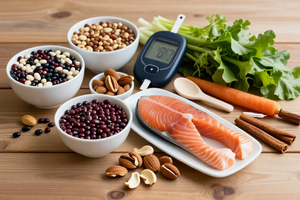
Other smart pairings include whole grains with legumes, or nuts with fruit. These combinations don't have to be complicated; a simple bowl of beans and rice or a handful of almonds with an apple can make a meaningful difference in how much protein your body actually puts to use.
Gut health is the foundation of absorption
No amount of careful timing or pairing will matter if your gut isn't in good shape. Improving gut health often starts with dietary choices. Including raw fruits and vegetables in your daily routine can provide natural enzymes and fiber that support digestion. One simple habit: try eating a small salad about 30 minutes before your main meal. This can help activate digestive enzymes and prepare your system to break down protein more thoroughly when it arrives.
Regular physical activity, stress management, and eating an alkaline-rich diet of whole foods also contribute to a healthy gut environment where nutrients can be absorbed properly.
Moderation matters more than you think
It might seem like more protein is always better, especially if you're active or trying to build muscle. But excess protein can backfire. Consuming too much at once can lead to digestive discomfort, proteinuria (excess protein in urine), fat accumulation, and even obesity over time. The key is balance: each meal should contain a sufficient but not excessive amount of protein, alongside healthy fats, complex carbohydrates, and vegetables.
How much protein do you actually need?
The Recommended Dietary Allowance (RDA) for an average inactive adult is about 0.8 grams of protein per kilogram of body weight. For those with an active lifestyle, needs may rise to between 1 and 1.5 grams per kilogram. But instead of obsessing over the exact number, it may be more helpful to focus on whether the protein you eat is being absorbed effectively.
Your body can produce only 11 of the 20 amino acids it needs. The remaining nine—called essential amino acids—must come from food. Complete protein sources like eggs, chicken, fish, and dairy provide all nine. If you're vegetarian or vegan, combining plant proteins (like beans with rice or hummus with whole-wheat pita) ensures you get the full spectrum.
Do you need protein supplements?
Supplements like whey protein, BCAA powders, and ready-to-drink shakes are popular, but they come with important caveats. According to Kaur, “Common supplements like whey protein may be consumed if you are unable to meet your daily requirements with food, but only after consulting with a nutrition professional. Regardless of what the supplement brands claim, the only benefit of supplements is convenience. Quality nutrition comes from food.”
BCAA (branched-chain amino acid) supplements are often marketed for muscle protein synthesis, but if your diet already includes complete protein sources, you're getting plenty of BCAAs naturally—without the artificial sweeteners, flavorings, and colorings found in many supplements.
The bottom line is straightforward: even if you eat large amounts of protein-rich foods or take expensive supplements, you won't see the benefits unless your body can absorb them. Paying attention to meal timing, food combinations, and gut health is a more effective strategy than simply eating more protein.