Wrist strain can turn simple tasks—typing, cooking, even holding a book—into a frustrating ordeal. Whether it’s from a new lifting routine, long hours at a keyboard, or a sudden twist, the dull ache and stiffness signal that the tendons and supportive tissues around the wrist need a break. While rest and proper ergonomics are essential, what you put on your plate can make a real difference in how quickly you heal.
Registered dietitians point to specific nutrients that support tissue repair, control inflammation, and strengthen the connective tissue in the wrist. Here’s what to prioritize when you’re recovering from wrist strain—and why each food choice matters.
Why protein matters for wrist tendon repair
Wrist strain involves micro-tears in tendons and ligaments, which are made largely of collagen protein. Your body needs a steady supply of amino acids to rebuild that damaged connective tissue. “Think of protein as the raw material for repair,” explains a sports dietitian. “Without enough, recovery slows down.”
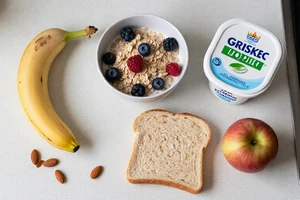
Lean sources like chicken breast, turkey, eggs, and Greek yogurt are excellent options. Plant-based choices such as lentils, chickpeas, tofu, and edamame also provide the necessary building blocks. Aim to include a palm-sized portion of protein at each meal rather than loading up all at once. Spreading intake across the day helps your body use the amino acids more efficiently for ongoing repair.
Vitamin C: the collagen catalyst
You probably know vitamin C for immune support, but it has a crucial second job: it’s required for your body to synthesize collagen. Without enough vitamin C, even a high-protein diet won’t effectively rebuild wrist tendons. “Vitamin C activates the enzymes that stitch amino acids into strong collagen fibers,” says a clinical dietitian specializing in orthopedics.
Reach for bell peppers (red and yellow have the most), strawberries, kiwifruit, broccoli, and citrus fruits. A single cup of strawberries or half a red bell pepper covers your daily needs. Dietitians suggest pairing these with protein-rich foods—like adding sliced bell pepper to an egg scramble or tossing berries into Greek yogurt—to give your body both ingredients at once.
Zinc and copper: the mineral team for tissue strength
Two trace minerals play a supporting role in healing strained wrists, though they rarely get the spotlight. Zinc is essential for cell division and protein synthesis; it helps your body actually build new tendon tissue. Copper is needed to cross-link collagen and elastin fibers, giving the repaired tendon its structure and resilience.
Good food sources of zinc include oysters, beef, pumpkin seeds, and chickpeas. Copper can be found in sesame seeds, cashews, dark chocolate, and lentils. Dietitians point out that you don’t need exotic supplements—just a varied diet with nuts, seeds, and legumes will usually cover both. “A handful of pumpkin seeds and a few squares of dark chocolate make a solid healing snack,” one dietitian notes.
Omega-3s to calm inflammation
Some inflammation after a strain is normal. It’s part of the healing process. But when inflammation hangs around too long, it can stall recovery and stiffen the wrist joint. Omega-3 fatty acids help resolve this inflammatory response by supporting specialized molecules called resolvins that actively tamp down swelling.
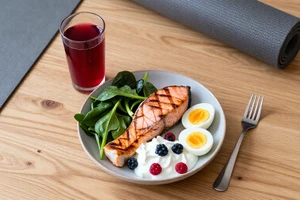
Fatty fish like salmon, mackerel, sardines, and anchovies are the most potent sources. For those who don’t eat fish, ground flaxseed, chia seeds, and walnuts provide a plant-based omega-3 called ALA that your body converts partially into the active forms. A dietitian recommendation: aim for two servings of oily fish per week, or incorporate ground flaxseed into oatmeal and smoothies daily.
Hydration and the surprising role of electrolytes
Wrist tendons are relatively low in blood supply compared to muscle, which means they rely on hydration to keep nutrients flowing in and waste products moving out. Even mild dehydration can stiffen the fascia and connective tissue surrounding the wrist, making movement more painful.
Water is the obvious choice, but electrolytes—particularly magnesium and potassium—help tendons maintain proper fluid balance and nerve signaling to the hand muscles. “I see a lot of active people who drink plenty of water but skimp on minerals,” says a sports dietitian. “That can make tendon recovery feel slower.” Foods rich in magnesium include spinach, almonds, black beans, and pumpkin seeds. Potassium is abundant in avocados, bananas, sweet potatoes, and coconut water. A simple approach: add a side of steamed spinach to dinner and snack on a banana with almond butter.
Foods that can slow recovery
While adding healing foods, it’s worth scaling back on things that fuel prolonged inflammation. Highly processed foods, sugary drinks, and excessive alcohol can keep inflammatory pathways switched on longer than they should be. You don’t need to eliminate them entirely, but cutting back while your wrist is tender gives your body a cleaner environment to work with.
Avoid the all-or-nothing trap. It’s not about perfection—it’s about consistently choosing foods that support repair over those that work against it.
Sample meal ideas for a recovery day
Here’s how a dietitian might structure a day’s eating when wrist strain is a priority:
- Breakfast: Scrambled eggs (protein + zinc) with sautéed red bell peppers (vitamin C) and a side of avocado (potassium + healthy fats).
- Snack: Greek yogurt topped with strawberries and a tablespoon of ground flaxseed.
- Lunch: Quinoa bowl with chickpeas, baby spinach, pumpkin seeds, and a lemon-tahini dressing—covering protein, zinc, copper, magnesium, and vitamin C.
- Snack: A small handful of walnuts and a square of dark chocolate.
- Dinner: Baked salmon with roasted sweet potatoes and steamed broccoli, finished with a squeeze of lemon.
This pattern naturally weaves together the key nutrients without feeling like a medical diet. Most dietitians advise sticking with these choices for the first week or two after the strain starts, then transitioning back to a more varied eating pattern as wrist function improves.
When food alone isn’t enough
Nutrition supports your healing, but it cannot replace medical care. If wrist pain persists beyond a few days, if you notice swelling that does not subside, or if you have trouble gripping objects or making a fist, see a healthcare provider. A physical therapist or orthopedic specialist can assess whether the strain involves a more significant injury, such as a ligament sprain or early tendinopathy.
Dietitians emphasize that food works best as part of a broader recovery plan that includes appropriate rest, ice if needed, and gradual return to movement. “We can’t eat our way out of an overuse injury,” one says. “But we can absolutely eat our way into a faster, more complete recovery.”