
Recovering from surgery demands a lot from your body. Whether you are an athlete returning from a procedure or someone who has undergone a routine operation, the right nutrition can significantly influence how quickly and effectively you heal. Sports nutritionists, who specialize in optimizing the body for physical stress and repair, offer particularly useful guidance here. Their advice moves beyond generic healthy eating into targeted strategies that support tissue regeneration, reduce inflammation, and manage energy levels while you are less active.
The core principle is straightforward: your body needs more of certain nutrients to rebuild, and it needs to work efficiently while you are resting. This is not about restrictive dieting or extreme protocols. It is about providing your system with the specific building blocks it requires to repair muscles, skin, and connective tissue, all while keeping your immune system strong. Here is what the experts recommend prioritizing on your plate.
Why protein is the star player
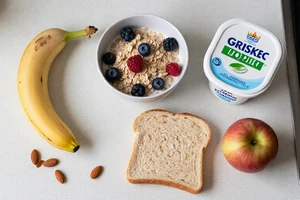
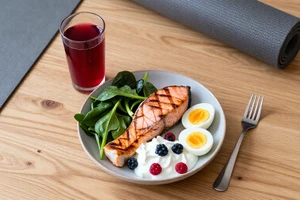
Tissue repair relies on protein. After surgery, your body enters a state of increased protein breakdown and synthesis. If you don't supply enough amino acids, the healing process slows down. Sports nutritionists often recommend a moderate increase in protein intake during the first few weeks of recovery. Good sources include lean chicken, turkey, fish, eggs, Greek yogurt, cottage cheese, and tofu. For those who struggle with appetite, a high-quality whey or plant-based protein powder mixed into a smoothie can be a gentle way to get what you need without a heavy meal.
Managing inflammation through what you eat
Inflammation is a necessary part of healing, but chronic or excessive inflammation can delay recovery. Certain foods can help modulate this process. Fatty fish like salmon, mackerel, and sardines are rich in omega-3 fatty acids, which are known for their anti-inflammatory effects. If fish isn't a regular part of your diet, a fish oil supplement (as advised by your doctor) can be considered. Colorful fruits and vegetables, particularly berries, cherries, spinach, and kale, provide antioxidants that protect cells from oxidative stress during the repair process. Turmeric and ginger, used in cooking or as teas, also have compounds that support healthy inflammatory response.
A quick note on timing: Focus on getting protein and colorful produce throughout the day rather than trying to batch it all into one large meal. This provides a steady stream of nutrients to support ongoing repair.
The role of carbohydrates and healthy fats
Carbohydrates often get a bad reputation, but they are crucial for recovery. They provide the energy your body needs to fuel the healing process. If you under-eat carbs, your body may start breaking down protein from muscles for energy, which defeats the purpose of your protein-rich diet. Good sources include oats, quinoa, sweet potatoes, and whole-grain bread. Healthy fats, such as those from avocados, nuts, seeds, and olive oil, support cell membrane integrity and help your body absorb fat-soluble vitamins like A, D, E, and K, which are all involved in healing.
Micronutrients that make a difference
Vitamins and minerals act as cofactors in the biochemical reactions of healing. Vitamin C is essential for collagen production, which is the main structural protein in skin, tendons, and ligaments. Citrus fruits, bell peppers, strawberries, and broccoli are excellent sources. Zinc is another critical player; it supports immune function and cell growth. You can find zinc in oysters, beef, pumpkin seeds, and chickpeas. Vitamin D also plays a role in bone and muscle healing. While food sources include egg yolks and fortified dairy, many people benefit from having their levels checked and supplementing accordingly under medical guidance.
Iron and wound healing
Iron helps carry oxygen to your tissues, and optimal oxygen delivery is necessary for wound healing. After some surgeries, especially those involving blood loss, iron stores can dip. Include iron-rich foods like lean red meat, lentils, spinach, and fortified cereals. Pairing these with vitamin C-rich foods (like a squeeze of lemon on spinach) enhances absorption.
Hydration is non-negotiable
Even mild dehydration can impair recovery. Water is needed for nutrient transport, joint lubrication, and maintaining blood volume. Medications and reduced mobility can also make you more prone to constipation, which adequate hydration helps prevent. Sports nutritionists recommend sipping water consistently throughout the day. If you find plain water boring, try infusing it with cucumber or berries. Herbal teas also count toward your fluid intake.
Practical strategies for when appetite is low
Pain, anesthesia, and medication side effects can kill your appetite. You do not need to force large meals. Small, frequent snacks and liquid nutrition can keep your intake steady. A smoothie with protein powder, spinach, banana, and milk can provide a balanced mini-meal. Bone broth, though not a complete source of protein, can be a comforting way to get some minerals and hydration. As your appetite returns, gradually transition back to whole meals.
Final thought from nutritionists: Listen to your body. Recovery is not a race. Focus on nourishing, whole foods, stay hydrated, and be patient. If you have specific dietary restrictions or underlying health conditions, working with a registered dietitian familiar with your surgical recovery plan can provide tailored guidance that fits your exact needs.