You lace up your shoes in the quiet morning dark, ready to move your body. Whether you’re heading out for a run, hitting the gym, or flowing through a yoga sequence, what you eat in that pre-workout window can set the tone for your entire session—especially for your knees. These complex joints bear a significant load with every step, squat, and lunge, and fueling them properly isn't just about energy; it's about providing the raw materials for resilience and comfort.
The right pre-morning workout meal or snack acts as a dual-purpose fuel. It provides immediate, accessible energy for your muscles, while also supplying nutrients that support the cartilage, ligaments, and synovial fluid that keep your knees moving smoothly. It’s about thinking beyond just carbs and protein, and considering the specific building blocks your joints need to handle the impact and stress of exercise.
The Core Principles of Knee-Friendly Pre-Workout Fuel
Think of your pre-workout nutrition as a strategic blend. You need components for quick energy, for sustained power, and for structural support. For your knees, this means focusing on foods that combat exercise-induced inflammation and provide the precursors for joint lubrication and repair.
Timing is your first lever. A larger, balanced meal is best consumed about 1.5 to 2 hours before your workout. If you’re rolling out of bed and into your sneakers, a smaller, easily digestible snack 30 to 60 minutes prior can provide the spark you need without discomfort.
The goal is to enter your workout feeling energized, not full or sluggish, with your body primed for movement.
Key Nutrients to Look For
When constructing your pre-workout bite, keep these knee-supportive nutrients in mind.
Complex Carbohydrates
These are your primary energy source. Glycogen stored in your muscles is the fuel your body prefers during exercise. Consuming carbs beforehand helps top off these stores, ensuring you have the stamina to maintain good form throughout your workout, which is critical for protecting your knees from the strain of fatigue.
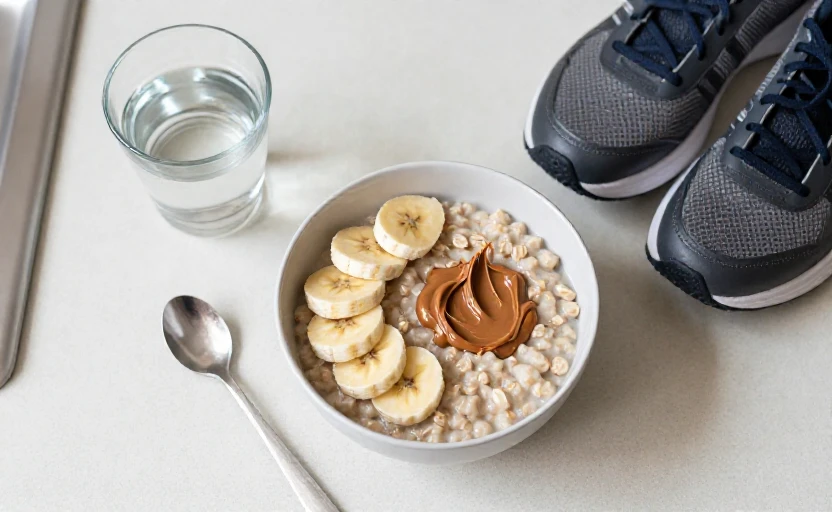
- Good sources: Oatmeal, whole-grain toast, a small sweet potato, or a banana.
Anti-Inflammatory Fats
Healthy fats, particularly omega-3 fatty acids, play a role in managing the body's inflammatory response. Since exercise creates natural, manageable stress in the joints, including these fats can support a healthier recovery environment.
- Good sources: A spoonful of nut butter, a small handful of walnuts, or chia seeds mixed into yogurt.
Lean Protein
Protein provides amino acids, which are the building blocks for repairing all tissues, including the tendons and ligaments around your knees. A small amount pre-workout can kickstart this recovery process and help prevent muscle breakdown during your session.
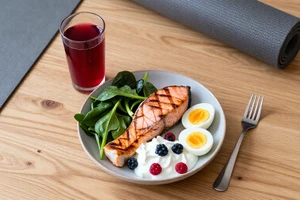
- Good sources: Greek yogurt, a scoop of cottage cheese, or a small serving of eggs.
Hydration & Electrolytes
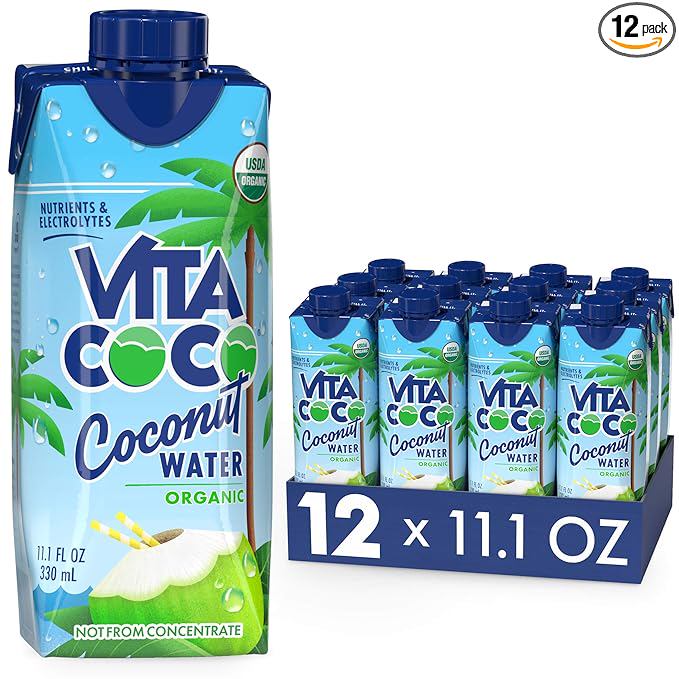
Hydration is non-negotiable for joint health. Synovial fluid, which lubricates your knee joints, is primarily water. Being even mildly dehydrated can make this fluid less effective, leading to a feeling of stiffness or friction. Include a source of electrolytes like sodium and potassium to help retain this fluid.
Sip water consistently from the moment you wake up. Your knees will thank you.
Practical Food Ideas for Different Timelines
If You Have 1-2 Hours (A Small Meal)
This window allows for a more complete, balanced combination of our key nutrients.
- A small bowl of oatmeal topped with sliced banana and a tablespoon of almond butter.
- Two scrambled eggs with a slice of whole-grain avocado toast.
- A smoothie made with Greek yogurt, a handful of spinach, frozen berries, and a teaspoon of chia seeds.
If You Have 30-60 Minutes (A Quick Snack)
Opt for simpler, faster-digesting options that are gentle on the stomach.
- A banana with a small smear of peanut butter.
- A piece of whole-grain toast with a thin layer of cottage cheese.
- A small serving of Greek yogurt with a sprinkle of granola.
The "I Have 5 Minutes" Solution
For those mornings when time is impossibly tight, having a go-to option can make all the difference. A piece of fruit, like an apple or a banana, provides quick carbs and potassium. Pair it with a few sips of water or an electrolyte drink. It’s far better than exercising on completely empty, which can lead to early fatigue and compromised form.
What to Limit or Avoid
Just as some foods support your efforts, others can hinder them. Before a morning workout, it’s wise to be cautious with:
- High-Fiber or Gas-Producing Foods: Large amounts of raw vegetables, beans, or high-fiber cereals can cause bloating and digestive discomfort during movement.
- Excessively Fatty or Fried Foods: These take longer to digest and can sit heavily in your stomach, making you feel sluggish.
- Excess Added Sugars: A candy bar or sugary pastry might give a quick spike, but often leads to a crash mid-workout.
- Over-Hydrating with Plain Water: While water is essential, drinking a huge volume right before you start can lead to sloshing and discomfort. Consistent sipping is key.
Listening to Your Body
These guidelines are a starting point, not a rigid prescription. Your digestion, the intensity of your planned workout, and your personal preferences are the most important factors. Pay attention to how you feel. Does a certain food give you steady energy? Does another make you feel bloated? Use that feedback to refine your approach. The best pre-workout fuel is the one that makes you feel strong, stable, and ready to move with confidence, giving your knees the support they need from the inside out.