Your gut is more than just a digestive organ; it's a complex ecosystem teeming with trillions of microorganisms that influence everything from your mood to your immune system. For beginners, the idea of nurturing this inner world can feel overwhelming, but it doesn't have to be. A healthy gut thrives on balance, and the most powerful tool you have to achieve it is on your plate.
This guide cuts through the noise to focus on the practical, everyday choices that can support your gut microbiome. We'll explore the foods that act as fuel for your beneficial bacteria and the ones that might disrupt their harmony, giving you a clear, actionable foundation to build upon.
What does a "healthy gut" actually mean?
Think of your gut microbiome as a vibrant, diverse garden. A healthy gut is one where a wide variety of beneficial bacteria and other microbes flourish. This diversity is key. These tiny residents help break down food, produce essential vitamins, strengthen the gut lining, and communicate with your immune system. When this ecosystem is balanced, you're more likely to experience regular digestion, stable energy, and robust overall health.
An imbalance, sometimes called dysbiosis, occurs when less helpful microbes outnumber the beneficial ones. This can happen due to stress, lack of sleep, certain medications, and, significantly, a diet low in the foods that good bacteria love.
Foods to embrace for a happier gut
These are the allies in your kitchen, the items that provide the prebiotics (food for good bacteria) and probiotics (the good bacteria themselves) your microbiome needs.
Fermented foods (Probiotics)
These are foods that have been through a process of lacto-fermentation, where natural bacteria feed on the sugar and starch, creating beneficial enzymes, B vitamins, and strains of probiotics.
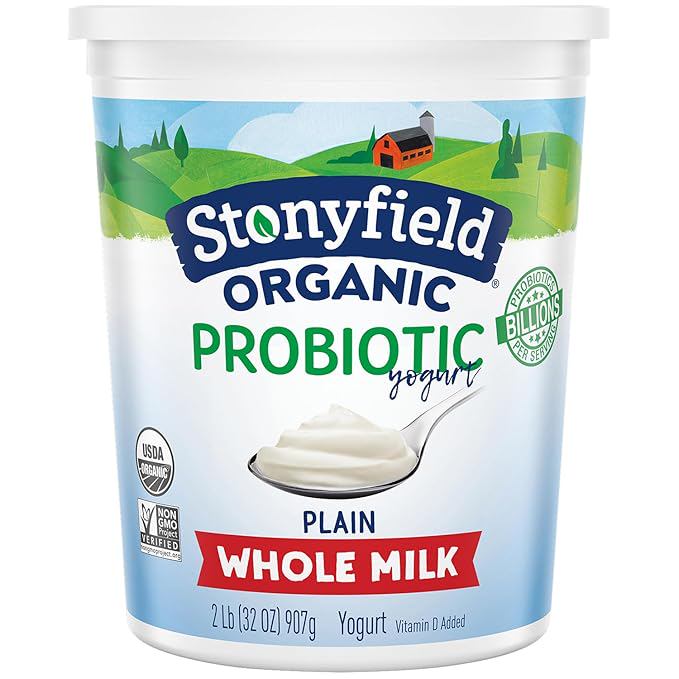
- Yogurt & Kefir: Look for labels that say "live and active cultures." Plain, unsweetened versions are best to avoid feeding unhelpful bacteria with added sugar.
- Kimchi & Sauerkraut: Fermented vegetables that are rich in fiber and probiotics. For the full benefit, choose refrigerated, unpasteurized varieties, as pasteurization kills the live cultures.
- Kombucha: A fermented tea drink. Be mindful of the sugar content; some commercial brands can be quite high.
High-fiber foods (Prebiotics)
Prebiotics are types of dietary fiber that humans can't digest, but your good gut bacteria can. They are essentially fertilizer for your microbiome.
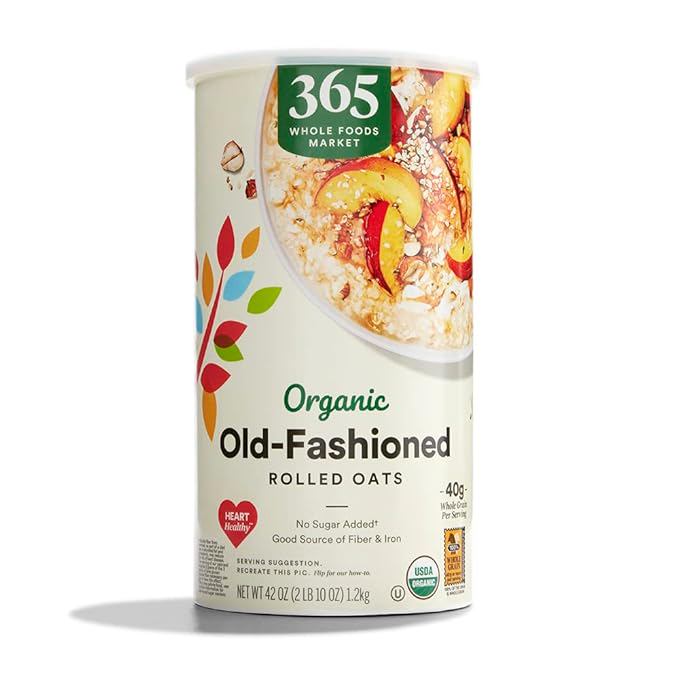
- Whole grains: Oats, barley, quinoa, and brown rice.
- Fruits & Vegetables: Especially garlic, onions, leeks, asparagus, bananas, apples, and artichokes.
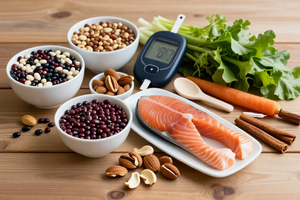
- Legumes: Lentils, chickpeas, black beans, and kidney beans.
- Nuts and seeds: Almonds, flaxseeds, and chia seeds.
Start slowly with fiber increases and drink plenty of water to help your digestive system adjust comfortably.
Polyphenol-rich foods
These are plant compounds that act as antioxidants and are also broken down by your gut bacteria, promoting their growth.
- Berries: Blueberries, strawberries, raspberries.
- Dark leafy greens: Spinach, kale.
- Tea & Coffee: In moderation.
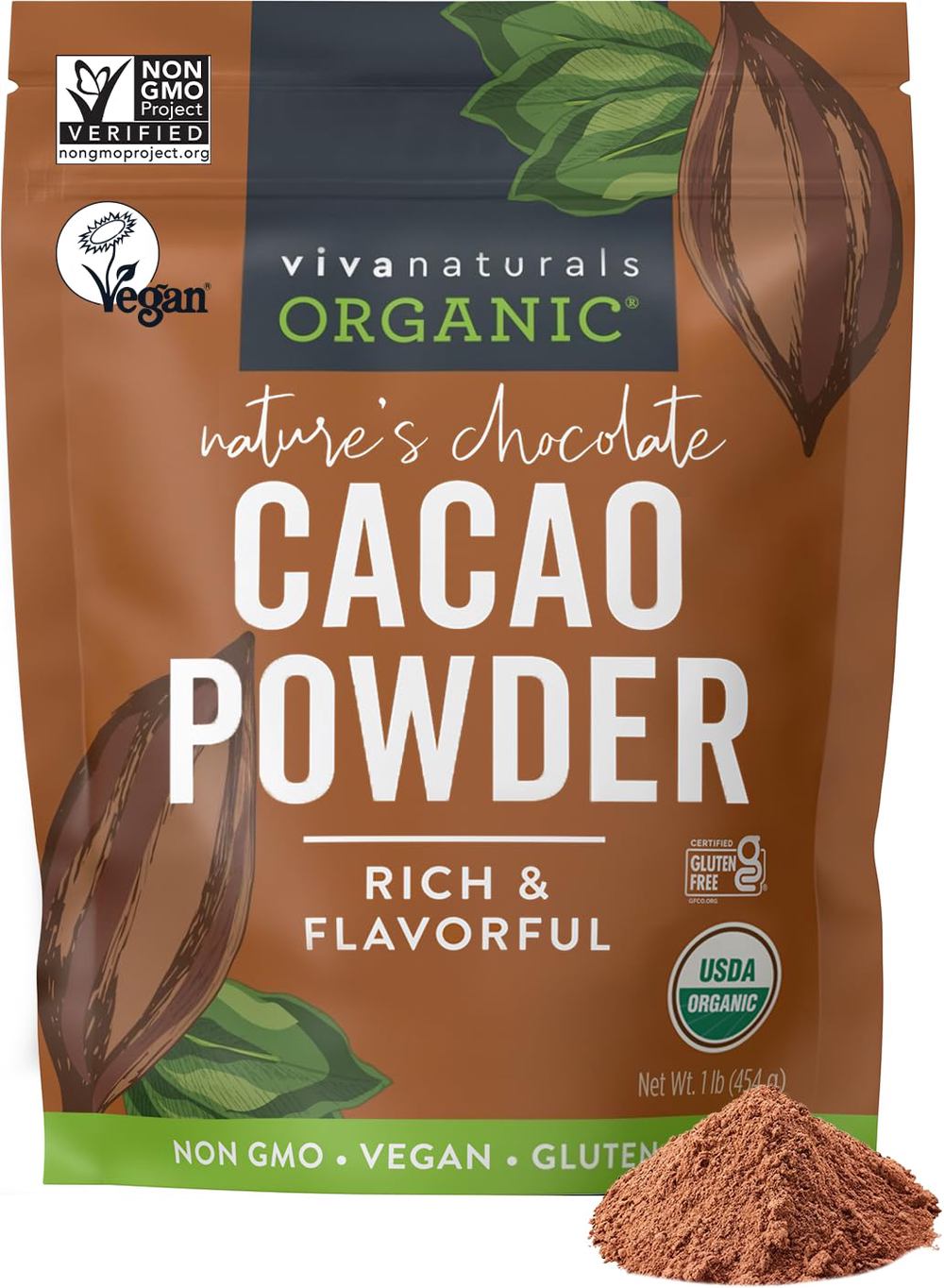
- Dark chocolate: Opt for varieties with 70% cocoa or higher.
Foods to be mindful of
You don't need to eliminate these entirely, but being aware of their potential impact can help you make balanced choices. The goal is moderation, not deprivation.
Highly processed foods
These often contain additives, emulsifiers, and high levels of sugar and unhealthy fats that can negatively alter gut bacteria and promote inflammation.
- Examples: Packaged snacks, sugary cereals, instant meals, and most fast food.
Added sugars and artificial sweeteners
High sugar intake can feed less desirable bacteria and yeast. Some artificial sweeteners like aspartame, sucralose, and saccharin may also negatively impact gut bacteria diversity.
- Found in: Sodas, candy, pastries, many sauces, and dressings.
Refined grains
Unlike whole grains, refined grains (white bread, white pasta, white rice) have had their fiber-rich bran and germ removed, stripping away the prebiotic content.
Excessive alcohol
Heavy alcohol consumption can damage the gut lining and disrupt the balance of your microbiome.
Putting it into practice: A beginner's approach
Overhauling your diet overnight is a recipe for frustration. Instead, focus on gentle, sustainable additions and swaps.
Start with one meal. Could you add a handful of spinach to your morning eggs? Swap white rice for quinoa at dinner? Add a tablespoon of flaxseed to your yogurt?
Listen to your body. When you increase fiber, do so gradually. Drink plenty of water. Some initial gas or bloating can be normal as your bacteria adjust, but persistent discomfort means you may want to slow down.
Variety is the spice of life—and gut health. Eating a wide range of plant-based foods (aim for 30 different plants a week, including nuts, seeds, herbs, and spices) is one of the best ways to promote microbial diversity.
Remember, gut health is a journey, not a destination. It's about consistent, caring choices, not perfection. By focusing on adding more nourishing, fiber-rich, and fermented foods while being mindful of processed items, you're laying a strong foundation for your gut—and your overall well-being.