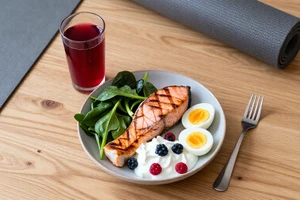

Starting a bodyweight routine—whether it's push-ups, squats, lunges, or planks—is an exciting step. But if you're new to consistent training, those first few days of muscle soreness can be a real buzzkill. You know the feeling: that deep ache in your thighs when you sit down, or the tenderness in your chest after a set of push-ups. It's called delayed onset muscle soreness (DOMS), and it's a normal sign that your muscles are adapting and getting stronger.
While you can't make soreness disappear overnight, what you eat in the hours after your workout plays a big role in how quickly you recover and how much discomfort you feel. The right foods help repair tiny muscle tears, replenish energy stores, and calm inflammation—all of which can shorten that sore window. Let's look at what to reach for after a bodyweight session, so you can keep moving forward without feeling derailed.
Why bodyweight workouts leave you sore
Bodyweight exercises are fantastic because they use your own mass for resistance, which is gentle on joints but still challenging for muscles. When you're new to them, your muscles aren't used to that specific type of tension—especially if you're doing slow, controlled reps or holding positions like wall sits and glute bridges. This unfamiliar load creates micro-tears in muscle fibers, which triggers inflammation and that familiar ache 24 to 48 hours later.
Nutrition isn't about numbing the pain; it's about giving your body the raw materials it needs to repair and rebuild. The two main players here are protein (for muscle repair) and carbohydrates (to refill glycogen stores). Pairing them strategically can make a noticeable difference in how you feel the next day.
Protein: the muscle repairer
After a workout, your muscles are primed to take in amino acids. A moderate amount of protein—around 20 to 30 grams—is enough to kickstart repair without overloading your system. For bodyweight beginners, this doesn't mean chugging a giant shake. Whole food sources work beautifully.
- Eggs: Two or three hard-boiled eggs offer a complete protein profile plus leucine, the amino acid most tied to muscle synthesis.
- Greek yogurt or cottage cheese: Both are rich in casein protein, which digests slowly and provides a steady stream of amino acids overnight.
- Chicken or turkey breast: Lean, simple, and easy to pair with other foods.
- Tofu or tempeh: Great plant-based options that also contain anti-inflammatory compounds.
A quick tip: You don't need protein powder unless you really want it. A fist-sized portion of protein-rich whole food is enough after most bodyweight sessions.
Carbohydrates: the recovery fuel
We often think of carbs as just for energy, but they also help reduce muscle soreness. Carbs signal the release of insulin, which helps shuttle amino acids into muscle cells. Plus, they replenish the glycogen you burned during your workout—especially important if you did multiple sets of bodyweight circuits or high-rep moves.
After bodyweight work, aim for a serving of whole food carbs. Think sweet potatoes, oats, quinoa, brown rice, fruit, or starchy vegetables. A medium banana alone provides about 30 grams of carbs and is rich in potassium, which helps prevent cramping.
Try this simple combo: a baked sweet potato with a dollop of Greek yogurt and a sprinkle of cinnamon. That's balanced recovery in one dish.
Anti-inflammatory foods: calm the soreness naturally
While some inflammation is needed for repair, excessive inflammation makes soreness worse. Certain foods can help modulate that response without medication. These are especially valuable for beginners, who tend to have more dramatic inflammatory reactions to new exercises.
- Tart cherries (or tart cherry juice): Packed with anthocyanins that reduce muscle damage and speed recovery.
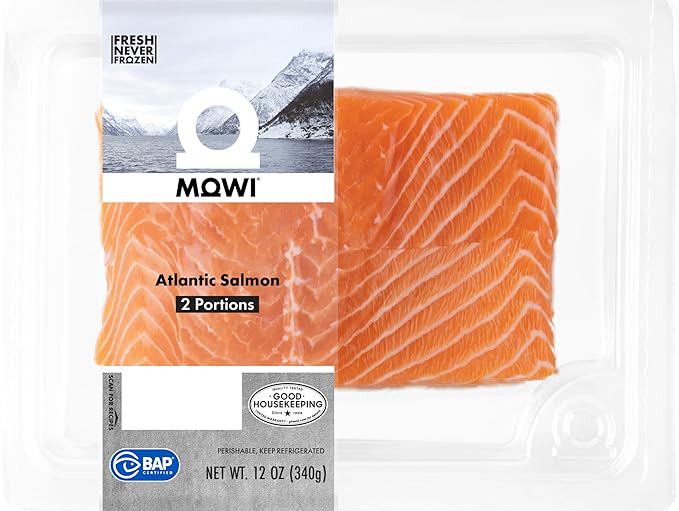
- Fatty fish (salmon, mackerel, sardines): Rich in omega-3s, which lower inflammation.
- Turmeric and ginger: Add these spices to your post-workout meals; they have well-documented anti-inflammatory properties.
- Dark leafy greens (spinach, kale, chard): Loaded with antioxidants that fight oxidative stress from exercise.
Hydration matters more than you realize
Sore muscles are often dehydrated muscles. Water helps flush out metabolic waste products that accumulate during exercise and keeps your joints lubricated. After a bodyweight workout, aim to drink at least 16 to 20 ounces of water within the next hour. If you sweat a lot, consider adding a pinch of salt or drinking coconut water for electrolytes.
Dehydration can amplify feelings of soreness by up to 30%, according to some sports science research. This is one of the easiest fixes you can make.
Meal timing: how soon after your workout?
You don't need to eat within a 30-minute window (that's a myth popularized by the supplement industry). For most people, eating a balanced meal within two hours after your workout is plenty. If you're not hungry right away, that's fine. A later meal still supports recovery. The key is consistency: make sure your next meal contains protein, carbs, and some anti-inflammatory foods.
If you're training first thing in the morning on an empty stomach, try to eat within an hour afterward. Your muscles will be especially receptive to nutrients, and you'll avoid that mid-morning energy crash.
Sample post-workout meals for beginner soreness
Here are three simple ideas that don't require a kitchen full of gadgets or powders.
- Scrambled eggs on whole-grain toast with a side of mixed berries. The eggs provide protein; the toast and berries supply carbs and antioxidants.
- A smoothie made with 1 cup of milk or unsweetened soy milk, half a banana, a handful of spinach, and 1 tablespoon of almond butter. It's a balanced mini-meal that's gentle on the stomach.
- Grilled chicken (or tofu) with roasted sweet potatoes and a handful of steamed broccoli. This classic combo covers all bases: lean protein, complex carbs, and anti-inflammatory fiber.
What about caffeine and pain relievers?
A small amount of caffeine before a workout can reduce perceived effort and even lower post-exercise soreness for some people. But avoid overdoing it—too much can interfere with sleep, which is when most muscle repair happens. As for over-the-counter anti-inflammatories (like ibuprofen), they can actually slow down muscle adaptation if used habitually. It's better to rely on whole foods and natural recovery methods, especially in the beginner phase.
Starting a bodyweight routine is an investment in your health. Being sore is part of the process, but it doesn't have to dominate your experience. By eating thoughtfully—with an eye on protein, carbs, anti-inflammatory foods, and hydration—you'll help your body adapt faster, feel better sooner, and stay motivated to keep going. Remember: the soreness fades as you get stronger. Give your body good food, and it will repay you with progress.