You’ve just finished a solid home workout—the kind that leaves you feeling accomplished but also a bit depleted. Your muscles are humming, and you know the next hour is a crucial window. What you choose to eat and drink now can significantly influence how well you recover, adapt, and feel for your next session. It’s not about complicated formulas; it’s about understanding what your body needs to rebuild and refuel.
Post-workout nutrition serves a few clear purposes: it replenishes the glycogen (energy stores) you’ve used, provides protein to repair the microscopic damage done to muscle fibers during exercise, and rehydrates you. Getting this right supports muscle growth, reduces soreness, and helps you maintain energy levels. The good news is that you don’t need specialty powders or bars to do it effectively. Your kitchen likely holds everything you need.
The Core Components of a Recovery Meal
Think of your post-workout plate or glass as having two primary jobs: deliver protein for repair and carbohydrates for refueling. Hydration is the essential third element that underpins both.
Protein is the building block. During exercise, especially resistance or strength training, you create small tears in muscle fibers. Consuming protein afterward provides the amino acids necessary to patch those tears, making the muscles stronger and potentially larger over time. A simple guideline is to aim for 20-30 grams of high-quality protein in your post-workout meal or snack.
Carbohydrates are often misunderstood. They are not the enemy here; they’re the recovery fuel. Your muscles store carbohydrates as glycogen, which is your primary energy source during intense effort. After a workout, those stores are tapped. Eating carbs helps restock them, which is vital for your energy levels and performance in subsequent workouts. They also help shuttle nutrients into your cells more efficiently.
Fluids and Electrolytes are non-negotiable. You lose water and salts like sodium and potassium through sweat. Even a mild dehydration can impair recovery, increase fatigue, and cause muscle cramps. Plain water is excellent, but after a particularly sweaty session, you might benefit from electrolytes from food or a pinch of salt in your water.
The goal isn’t perfection, but consistency. A simple, real-food snack eaten promptly is far better than a “perfect” meal you stress over making.
Practical Food Ideas from Your Kitchen
You don’t need to cook a feast. The key is convenience and balance. Here are some combinations that pair protein and carbs effectively.
Quick & No-Cook Options
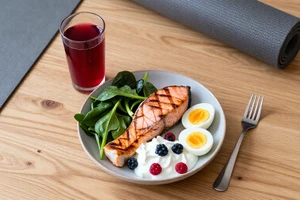
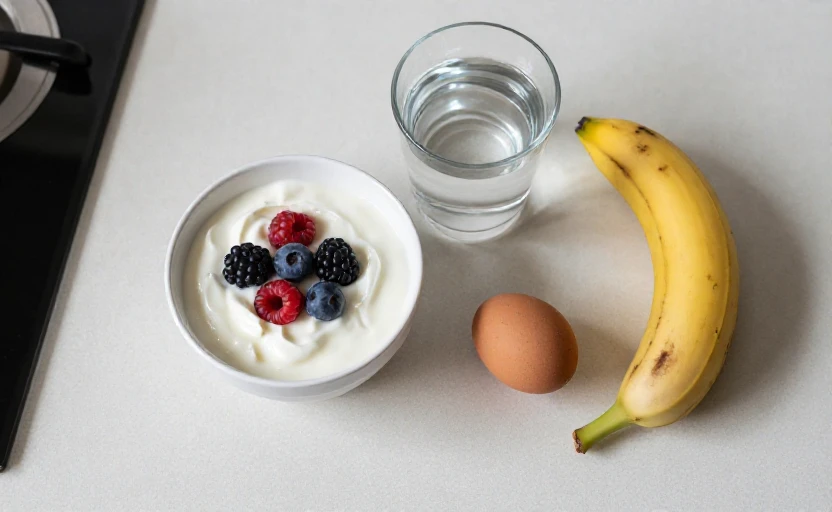
- Greek Yogurt with Berries and Honey: Greek yogurt is packed with protein. Berries add antioxidants and carbs, while a drizzle of honey provides quick-digesting sugars to kickstart glycogen replenishment.
- Cottage Cheese with Pineapple or Peach Slices: Another high-protein dairy option. The fruit offers natural sugars and vitamins.
- Apple Slices with Nut Butter: The apple gives you carbs and fiber, while almond or peanut butter provides protein and healthy fats. Fats digest slower, so if your primary goal is rapid refueling, you might pair this with a glass of milk.
- Hard-Boiled Eggs with a Piece of Fruit: Eggs are a complete protein source. A banana or orange adds potassium and carbohydrates.
Simple Meals with Minimal Prep
- Scrambled Eggs on Whole-Grain Toast: A classic for a reason. The eggs deliver protein, the toast provides sustaining carbs, and you can add avocado for healthy fats and extra potassium.
- A Simple Smoothie: This is a fantastic way to get liquid, carbs, and protein in one go. Blend a banana (carbs, potassium), a handful of spinach (nutrients), a scoop of protein powder or Greek yogurt (protein), and milk or a milk alternative.
- Canned Tuna on Crackers: Tuna is a lean protein powerhouse. Pair it with whole-grain crackers for a salty, satisfying snack that also replenishes sodium.
- Leftover Grilled Chicken with Sweet Potato: If you have pre-cooked protein and a microwave, this is ideal. Sweet potato is a superb source of complex carbohydrates and vitamin A.
Timing and Portions: Keeping It Simple
The concept of the “anabolic window” has been somewhat overstated for the average home exerciser. While it’s true that your muscles are most receptive to nutrients in the 30-60 minutes after exercise, this isn’t a hard-and-fast rule that expires. The overall quality of your daily nutrition matters more.
For most people doing a moderate home workout, aiming to eat a balanced meal or snack within two hours is perfectly effective. If you work out first thing in the morning, breaking your fast afterward is a good idea. If you exercise later, your next regular meal can serve as your recovery meal, provided it contains protein and carbs.
Listen to your hunger cues. A intense 45-minute HIIT session might leave you ravenous, signaling a need for a more substantial meal. A gentle 20-minute yoga flow might just need a small snack. Portion your plate intuitively: a palm-sized portion of protein, a fist-sized portion of carb-rich food, and plenty of vegetables or fruit for micronutrients.
What About Hydration?
Don’t forget to drink. A general rule is to drink 16-24 ounces of water for every pound of body weight lost during exercise (you can weigh yourself before and after to check). Since most of us don’t do that, a more practical approach is to drink water consistently after your workout until your urine is pale yellow.
For sessions under an hour, water is sufficient. For longer or exceptionally sweaty workouts, consider a drink with electrolytes or simply eat a balanced recovery meal, as many whole foods (like yogurt, fruit, and vegetables) contain potassium and sodium.
Common Questions and Considerations
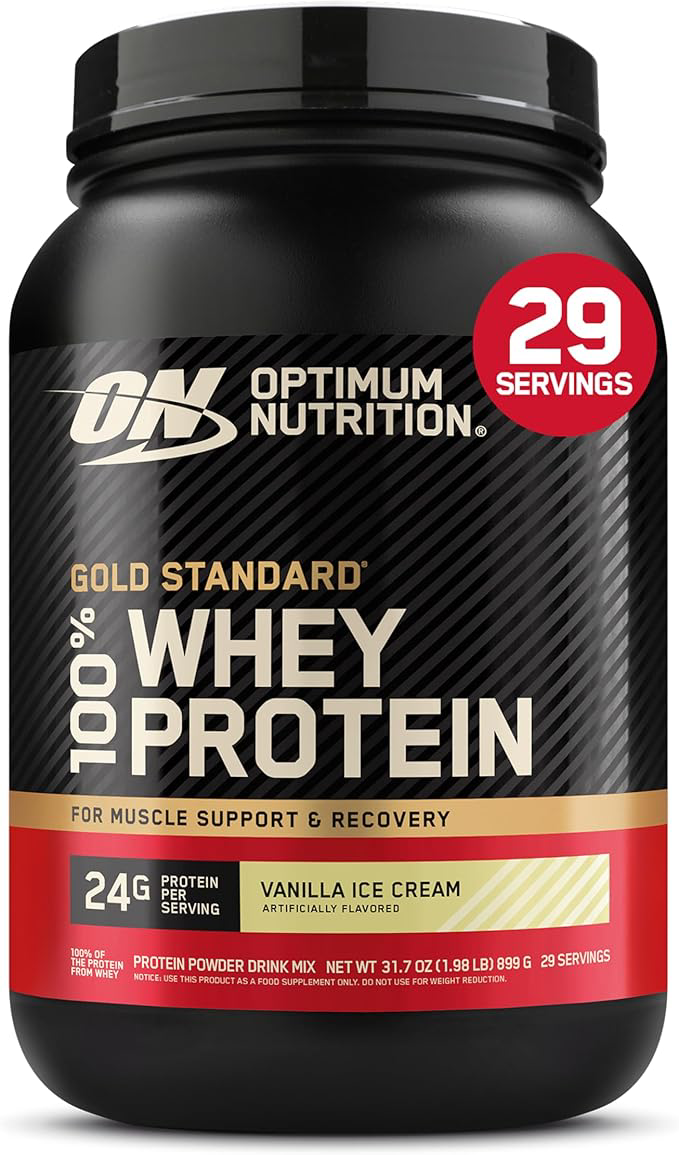
Do I need a protein shake? Not necessarily. They are a convenient, fast-absorbing option, especially if you’re not hungry or are short on time. But whole foods offer additional vitamins, minerals, and fiber that shakes often lack. Use them as a tool, not a requirement.
What if I’m trying to lose weight? You still need to support recovery. Skipping post-workout nutrition can lead to muscle loss, fatigue, and increased hunger later. Opt for a smaller, protein-focused snack like a hard-boiled egg or a small yogurt, and ensure your overall daily calories are appropriate for your goal.
The bottom line is to honor the work you’ve done by giving your body the nutrients it needs to become stronger. Keep it simple, focus on whole foods where possible, and make consistency your priority. Your muscles—and your future workout self—will thank you.