
You’ve laid out your mat, filled your water bottle, and queued up the playlist. But there’s one pause before you press play: should you eat something, or is it better to exercise on an empty stomach? For a home workout, the timing and choice of fuel can make the difference between a sluggish set and a steady, focused session. Eating about 30 minutes beforehand gives your body just enough time to start digesting without weighing you down.
The goal is practical energy—not a full meal, but something that prevents a mid-workout slump. Let’s look at what works, what doesn’t, and how to keep it simple so you can actually get moving.
Why 30 Minutes Is the Sweet Spot
Eating immediately before exercise can leave you feeling heavy or crampy—your digestive system competes with your working muscles for blood flow. Waiting too long, on the other hand, can leave you running on fumes. A small snack roughly half an hour before you start gives digestion a head start. The fuel from that snack enters your bloodstream just as your body begins to demand energy for squats, push-ups, or jump roping.
This window is especially helpful for home workouts. Since routines tend to be shorter and more self-paced than gym sessions, the right pre-workout bite keeps your energy steady without requiring a complicated meal plan.
The Core Principle: Carbs With a Little Protein
For short-duration, moderate-intensity home exercise, carbohydrates are your primary fuel. They’re quickly broken down into glucose, which muscles use directly. Adding a small amount of protein can help buffer blood sugar and provide a minor amino acid boost, but this is not a protein-loading moment. Think of the protein as a supporting actor, not the lead.
What you want to avoid here is fat and fiber in large amounts—both slow digestion and can cause discomfort when you’re moving. Save the avocado toast or big kale salad for after your workout.
Quick Carb Sources That Work
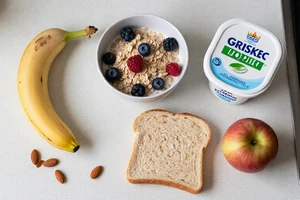
- A banana is the gold standard. It’s portable, digestible, and supplies about 25–30 grams of carbohydrate along with a bit of potassium, which helps muscle function.
- Apple sauce or a similar fruit puree is gentle on the stomach and gives a quick energy lift.
- White rice cakes or a slice of plain toast spread with a thin layer of jam or honey offer fast-digesting carbs without the fiber.
- Dried fruit like dates or raisins works well in small portions—two dried dates are about the right amount.
Adding a Touch of Protein
You don’t need a protein shake 30 minutes before a workout. A simpler approach is to pair your carb source with a modest amount of protein. For example:
- Half a banana with a spoonful of peanut butter (stick to one tablespoon).
- A rice cake with a smear of cottage cheese or ricotta.
- A small glass of milk or unsweetened soy milk alongside a few crackers.
The protein helps sustain your energy across the workout, especially if you tend to feel shaky or light-headed when you exercise.
What to Skip
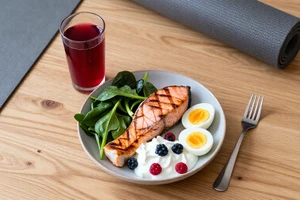
It’s just as important to know what doesn’t belong in a 30-minute pre-workout window. Heavy, fatty meals are out—think burgers, creamy pasta, or fried foods. High-fiber vegetables like broccoli or beans can cause bloating. Protein bars that are high in fiber or sugar alcohols (like erythritol or maltitol) can also upset some people’s stomachs.
And while caffeine is okay for many people—a small cup of coffee or green tea 30 minutes before can sharpen focus—it’s not necessary. If you’re sensitive to caffeine or work out in the evening, skip it.
A simple test: if a food would make you feel full and sleepy 30 minutes later, it’s too heavy for pre-workout.
Sample Snacks That Fit the Window
These combos come together in under 60 seconds and won’t leave you guessing:
- 1 small banana + 1 tablespoon almond butter
- 1 rice cake + 1 tablespoon hummus (thin layer)
- ½ cup applesauce + a handful of almonds (about 10)
- 1 slice white bread with 1 teaspoon honey
- 1 small handful of dry cereal (like Cheerios or rice puffs) + ½ cup milk
Portion size matters here. A large banana is fine for most people, but if you’re smaller or exercising lightly, half a banana may be plenty. Learn to adjust based on how you feel during movement.
Listen to Your Body—and Your Workout
Not every home workout is the same. A ten-minute mobility flow may require zero fuel. A 45-minute HIIT session, on the other hand, may call for that small snack. The more intense or long your planned workout, the more your pre-workout snack matters. For lighter workouts, a glass of water and nothing else may work perfectly.
Some people prefer to exercise fasted in the morning, and that’s fine—just keep the session at a manageable intensity. If you feel dizzy, weak, or find your form crumbling during the last few reps, try a small snack next time.
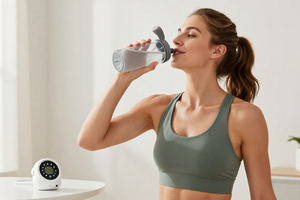
Hydration also plays into steady energy. Drink water throughout the day so that you’re not starting your workout already dehydrated. Thirty minutes before exercise, take a few sips—about 4 to 8 ounces—if you haven’t had water recently. That’s often enough to keep your muscles responsive without causing sloshing.
Keep It Practical for Home
The beauty of home workouts is that you don’t need gym-specific foods or expensive pre-workout formulas. Your kitchen likely has everything you need. Oatmeal is a fine option if you finish it a full hour before exercise, but for a strict 30-minute window, stick with simpler, lower-fiber carbs.
A good rule of thumb is to keep the snack at around 100–200 calories total. This is enough to provide steady energy without diverting blood flow to digestion. If you’re exercising early in the morning, a small glass of juice or a piece of fruit may be all you need before you’re fully awake.
Ultimately, the best pre-workout snack for your home session is one that you can tolerate, enjoy, and prepare without fuss. Test a few options during low-stakes workouts and see how you feel. The right choice supports your effort without stealing your focus—and that’s the whole point of eating before you move.