You put in the work. You pushed through the last rep, held that plank an extra five seconds, and walked out of the gym feeling accomplished. But what happens in the hours after your workout is just as critical as the sweat session itself. Muscle recovery isn't just about rest days and protein—it's also about what you drink. Choosing the right fluids helps repair tissue, replace what you lost through sweat, and prevent the nagging imbalances that can derail your training.
The problem is that many common post-workout drinks do more harm than good. Sugary sports beverages, for example, can spike your blood sugar and offer little in the way of real nutritional support for your muscles. Other options, like electrolyte powders and plain water, have their place, but knowing when to reach for each one matters. Here's a breakdown of what to drink to support muscle recovery and maintain the right balance after frequent workouts.
Why Standard Sports Drinks Often Miss the Mark
It is tempting to grab a brightly colored sports drink after a hard session. They taste good and they promise electrolytes. But if you look at the label, most of them are basically sugar water with a pinch of sodium. For a recreational lifter or someone doing moderate cardio—say, 45 to 60 minutes—the extra sugar is unnecessary. It adds empty calories and can contribute to inflammation, which works against your recovery goals.
There is a better approach. Instead of reaching for a high-sugar commercial drink, consider homemade or low-sugar alternatives that deliver the specific minerals your muscles need without the crash.
Water: The Foundation, But Not Always Enough
Let's start with the obvious: water is essential. It regulates your body temperature, transports nutrients, and helps flush metabolic waste that builds up during exercise. After a workout, rehydrating with water should be your first step. However, if you sweat heavily or train in hot conditions, plain water alone may not be sufficient to restore your electrolyte balance.
Drinking too much plain water after heavy sweating can actually dilute the sodium levels in your blood, leading to a condition called hyponatremia. This condition causes nausea, headaches, and confusion—none of which help your recovery. For most moderate workouts, water is fine. But for frequent, intense sessions, you need something more targeted.
The Role of Electrolyte Drinks in Preventing Imbalances
Electrolytes—sodium, potassium, magnesium, and calcium—are the minerals that keep your muscles firing properly. When you sweat, you lose these minerals. If you replace only the water, you can create an imbalance that leads to cramping, fatigue, and a slower recovery.
A simple rule: If your workout is longer than an hour or you are drenched in sweat, an electrolyte drink is a smart addition. If it's a light jog on a cool day, stick with water.
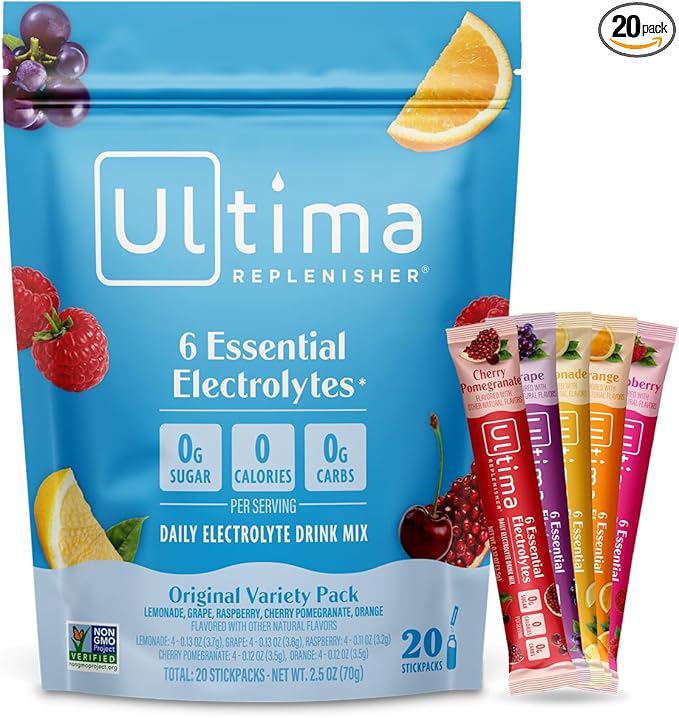
Look for an electrolyte powder or tablet with minimal added sugar. Ideally, it should contain between 200 and 500 mg of sodium per serving, along with some potassium and magnesium. These minerals help your muscles contract and relax properly, which reduces post-exercise stiffness.
Tart Cherry Juice: A Surprising Recovery Aid
One of the most underrated recovery drinks is tart cherry juice. Research suggests that the antioxidants and anti-inflammatory compounds in tart cherries can help reduce muscle soreness after strenuous activity. It is not a magic bullet, but it is a far better choice than sugary soda or fruit punch.
Tart cherry juice works by lowering oxidative stress and inflammation caused by hard training. Drink about 10 to 12 ounces after a tough workout, or mix a splash into your water bottle. Just be mindful of the natural sugar content and choose unsweetened varieties when possible.
Chocolate Milk: The Refuel Option
It might sound like a treat, but low-fat chocolate milk has a near-ideal ratio of carbohydrates to protein for recovery after endurance or strength training. The carbs replenish glycogen stores while the protein provides amino acids for muscle repair. Most brands also contain calcium, which supports muscle function.
This option works best if you have just finished a long run or a heavy lifting session and you don't have access to a proper meal within an hour. Choose a version with no more than 20 grams of sugar per cup. Avoid the heavily sweetened, syrupy products that are closer to dessert than a recovery drink.
Who should skip it?
If you are lactose intolerant or sensitive to dairy, chocolate milk might cause digestive discomfort that interferes with recovery. In that case, look for a plant-based milk alternative with a similar protein-to-carb ratio, like a pea-protein shake.
Coconut Water: A Natural Electrolyte Source
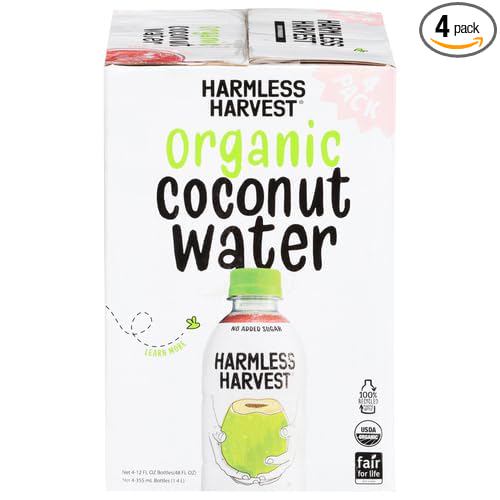
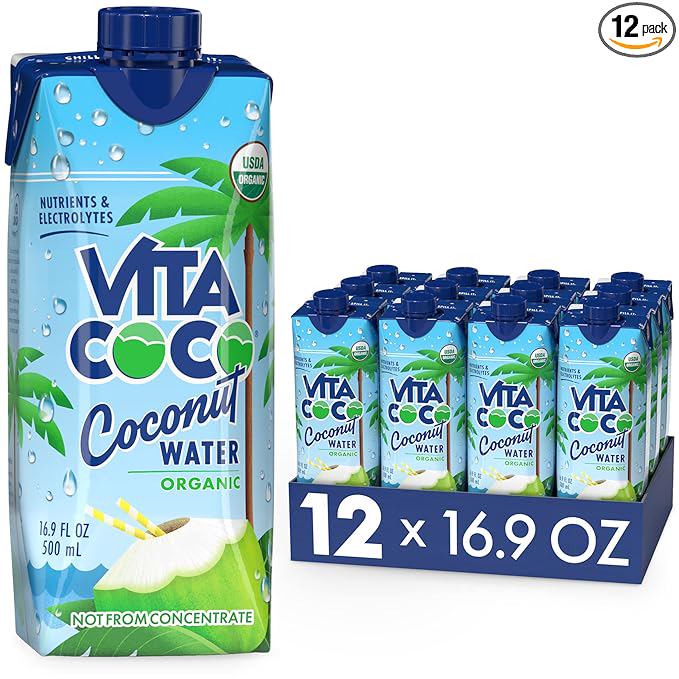
Coconut water is a lighter alternative to commercial sports drinks. It naturally contains potassium, magnesium, and a small amount of sodium. It is lower in sugar than most fruit juices and can be a good palate cleanser after a sweaty workout.
The downside is that the sodium content is usually quite low compared to what you actually lose in sweat. If you are a heavy sweater, plain coconut water might not be enough to fully rebalance your electrolytes. A good compromise is to mix coconut water with a pinch of salt or a squeeze of lemon to boost the sodium and add some vitamin C.
Green Tea: Gentle, Antioxidant-Rich Recovery
Green tea is not just a morning beverage. It contains catechins, which are antioxidants that may help reduce muscle damage caused by exercise. It also provides a small amount of caffeine, which can improve focus without the jitters of coffee. For afternoon workouts, a cup of unsweetened green tea can be a calming, recovery-friendly choice.
Just avoid turning it into a sugary latte. The benefits of green tea disappear when it is loaded with syrups and sweeteners. Drink it hot or iced, plain or with a splash of lemon.
What to Avoid for Better Recovery
- Sugary soda and fruit punch: These spike blood sugar, promote inflammation, and provide zero muscle-repairing nutrients.
- Energy drinks: High caffeine and sugar content can dehydrate you further and disrupt sleep, which is when your muscles actually repair.
- Alcohol: It impairs protein synthesis, dehydrates your body, and slows down the overall recovery process. If you do have a drink, pair it with plenty of water.
Supporting your body after frequent workouts is about consistency and smart choices. Water is your baseline. Electrolyte drinks, tart cherry juice, chocolate milk, and green tea are all tools you can use depending on the intensity and duration of your training. Listen to your body, pay attention to signs like cramping or fatigue, and adjust your fluid intake accordingly. The right drink can make the difference between feeling sore for days and being ready to crush your next session.