You have made it through the first month of a new workout routine. That is a genuine achievement. Your body is adapting. You are feeling stronger, but that familiar soreness and fatigue are probably still lingering longer than you would like. What you choose to drink in the hours after you exercise can make a real difference in how quickly you bounce back, how you feel the next day, and how consistently you can keep showing up.
This article is not about complicated sports nutrition or rare supplements. It focuses on practical, effective drinks that support recovery for someone who is still building their fitness foundation. These options are accessible, science-backed, and designed to help you replenish what you have lost without overcomplicating your routine.
Why hydration matters more right now
During your first month, your body is learning to efficiently manage fluid loss, regulate temperature, and transport nutrients to repairing muscles. If you are not drinking enough after a workout, you are essentially trying to rebuild without the raw materials. Even mild dehydration can slow muscle repair, worsen soreness, and drain your energy for the next day.
The goal of post-workout drinking is threefold: replace lost fluids and electrolytes, replenish glycogen stores, and provide amino acids for muscle protein synthesis. The drinks below cover these bases without requiring a degree in sports science.
Water is the baseline, but not always enough
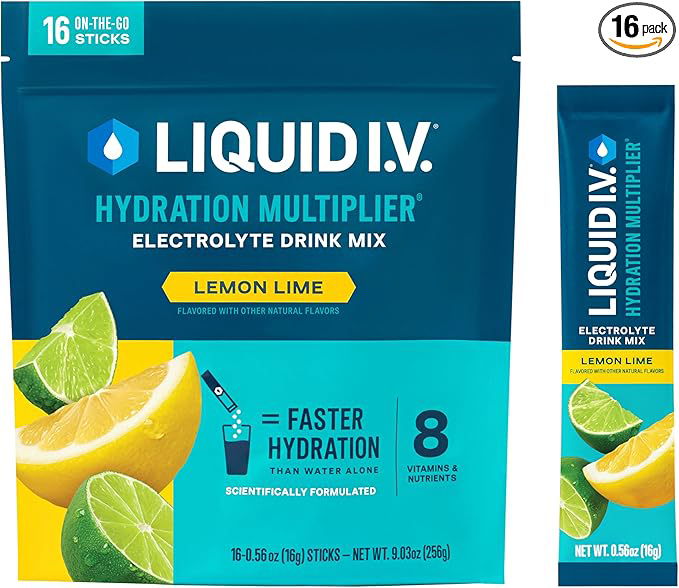
Plain water is essential, but for longer or more intense sessions—anything over 45 minutes of steady effort or a very sweaty 30-minute workout—water alone might not be optimal. You lose sodium, potassium, and magnesium through sweat. Replacing only water can dilute your blood electrolyte balance, which may actually increase cramping and fatigue.
If you are doing moderate, shorter workouts, water is fine. But if you find yourself dragging the next day or dealing with persistent muscle tightness, consider upgrading your post-workout drink to something that includes electrolytes.
Coconut water: nature's electrolyte drink
Unsweetened coconut water is one of the simplest whole-food options for recovery. It naturally contains potassium, sodium, magnesium, and calcium in a balanced ratio. It is lower in sugar than most sports drinks, which is a good thing for someone who does not need a massive spike of glucose.
Choose plain, unsweetened coconut water. Flavored versions often add sugar or artificial sweeteners that are unnecessary. Drink it within 30 minutes of finishing your workout. It pairs well with a small snack containing protein, like a handful of almonds or a hard-boiled egg, to round out the recovery benefit.
Chocolate milk: surprisingly effective
This one sounds too simple to be true, but research supports it. Low-fat chocolate milk offers a natural 4:1 carbohydrate-to-protein ratio, which is close to what sports nutritionists recommend for glycogen replenishment and muscle repair after endurance or resistance training.
Chocolate milk contains calcium for bone health, fluid for rehydration, and both whey and casein proteins for sustained amino acid delivery to muscles.
Stick to low-fat or reduced-fat versions to avoid excess saturated fat that can slow digestion. If you are lactose-sensitive, lactose-free chocolate milk works the same way. It is a cost-effective, widely available option that tastes good and helps you recover without requiring a blender or powder.
Tart cherry juice for inflammation and sleep
You may not think of tart cherry juice as a workout drink, but it has a specific role. It is rich in anthocyanins, compounds that help reduce exercise-induced inflammation and muscle damage. Some studies suggest it can speed up strength recovery and decrease soreness after demanding workouts.
It also contains natural melatonin, which supports sleep quality. Sleep is when your body does most of its physical repair, so anything that helps you sleep better indirectly improves recovery. Drink about 8 to 10 ounces of unsweetened tart cherry juice after your evening workout, or mix it with water to reduce acidity. Avoid versions with added sugar or blended with sweeter juices.
Green tea: gentle antioxidant support
Green tea is not a replacement for your main rehydration drink, but it makes a good secondary beverage an hour or two after exercise. Its catechins help combat oxidative stress generated by intense exercise. The small amount of caffeine can also improve alertness without overstimulating your nervous system.
Brew it yourself and let it cool to room temperature. Avoid bottled green teas that often contain added sugar. Drink it plain, or with a squeeze of lemon. If you are sensitive to caffeine, stick to one cup and consume it earlier in the day.
Protein shakes done simply
If you are not getting enough protein from whole foods—common in the first month when appetite can be erratic—a simple protein shake can fill the gap. Whey protein is absorbed quickly, making it a good choice within 30 minutes of a workout. Plant-based options like pea or brown rice protein work well too, though they digest a bit more slowly.
Keep it simple: one scoop of protein powder mixed with water or unsweetened almond milk. You do not need a long list of additives. Drink it alongside your water, not instead of it. Protein without adequate fluid can actually stress your kidneys, especially if you are not well-hydrated.
When to drink and how much
Timing matters. For most people, the ideal window for recovery consumption is within 30 to 60 minutes after exercise. That is when your muscles are most receptive to nutrients and glycogen storage. Drink 16 to 24 ounces of fluid total during that window, including the recovery drink itself plus any additional water you need to feel rehydrated.
One simple rule: drink until your urine is pale yellow. If it is dark, you need more fluid. If it is completely clear, you might be overhydrating, which can also cause problems. Pay attention to thirst, but do not rely on it entirely—thirst often lags behind true hydration needs, especially after intense effort.
What to avoid for better recovery
Not every drink is helpful. Alcohol is the biggest obstacle to recovery. It interferes with muscle protein synthesis, dehydrates you, and disrupts sleep quality. If you choose to drink, do so in moderation and only after you have fully rehydrated with water first.
Sugary sodas and energy drinks spike your blood sugar and then drop it, leaving you more fatigued. Artificially sweetened drinks can cause bloating and digestive discomfort for some people. Stick with whole, minimally processed beverages and you will support your body better than any engineered sports drink can.
Practical combinations for your week
You do not have to drink all of these every day. Rotate based on your workout type and how you feel. After a moderate strength session, chocolate milk works well. After a long, sweaty cardio day, coconut water or diluted tart cherry juice is more appropriate. On rest days, focus on plain water and green tea for antioxidant support without overhydrating.
Listen to your body. Some people feel great on tart cherry juice, while others find it too acidic. Some love the convenience of a protein shake; others prefer whole food. The best recovery drink is the one you will actually drink consistently and that makes you feel better, not worse.