
You already know protein is essential for muscle repair, immune function, and steady energy. But here's something many overlook: how you hydrate can directly influence how well your body actually uses that protein. The wrong drink—or the wrong timing—might be quietly undermining your efforts. Here are three evidence-informed hydration tips to help your body make the most of every gram of protein you eat.
Hydration Helps Your Body Process Protein
Your digestive system needs adequate water to break down protein into amino acids. When you're even mildly dehydrated, enzymatic activity slows, and the small intestine becomes less efficient at absorbing those crucial building blocks. Think of water as the solvent that allows digestion chemistry to happen properly. Without it, even the highest-quality protein powder or lean chicken breast won't deliver its full potential.
Tip one: Spread your water intake throughout the day rather than chugging large amounts all at once. Your body absorbs fluids more effectively in smaller, consistent doses. This steady hydration supports the continuous process of protein digestion and absorption.
Water Temperature Matters More Than You Think
We often hear to drink water with meals, but temperature influences digestive efficiency. Very cold water can temporarily constrict blood vessels around the stomach, potentially slowing down digestive enzyme secretion. Room-temperature water, by contrast, supports a more consistent digestive environment. This doesn't mean you should never drink cold water—just that if you're focusing on maximizing protein absorption, room temperature may offer a small but meaningful advantage.
Pair each protein-rich meal with a glass of water at moderate temperature. Wait about 15–20 minutes after eating before drinking larger volumes, so you don't dilute stomach acid too quickly during the early digestion phase.
Green Tea and Other Beneficial Drinks
Water is the gold standard, but certain teas may offer additional support. Green tea contains catechins, plant compounds that have been studied for their effects on metabolism and digestion. Some research suggests that these compounds can help modulate enzymes involved in protein digestion, though the effect is modest. Black coffee, consumed without excessive cream or sugar, is also fine for most people—caffeine is not inherently dehydrating at moderate doses, and coffee itself counts toward your daily fluid needs.
What about sports drinks or protein shakes? Be cautious with sugary commercial sports drinks. High sugar content can spike insulin and shift your body's focus away from steady protein utilization. Plain whey or plant protein shakes mixed with water or unsweetened milk are ideal, but keep the added sweeteners minimal.
Tip two: If you enjoy tea or coffee, have them between meals rather than with your protein-heavy plate. Tannins and caffeine can slightly inhibit iron and amino acid absorption when taken simultaneously. A 30–60 minute gap is all you need.
Electrolytes and Protein Transport
Sodium, potassium, and magnesium aren't just for athletes. These electrolytes help transport amino acids across intestinal walls and into your bloodstream. When your electrolyte balance is off—even mildly—absorption efficiency can drop. This is especially relevant if you exercise heavily, sweat a lot, or consume a low-carb diet, which can flush out more sodium.
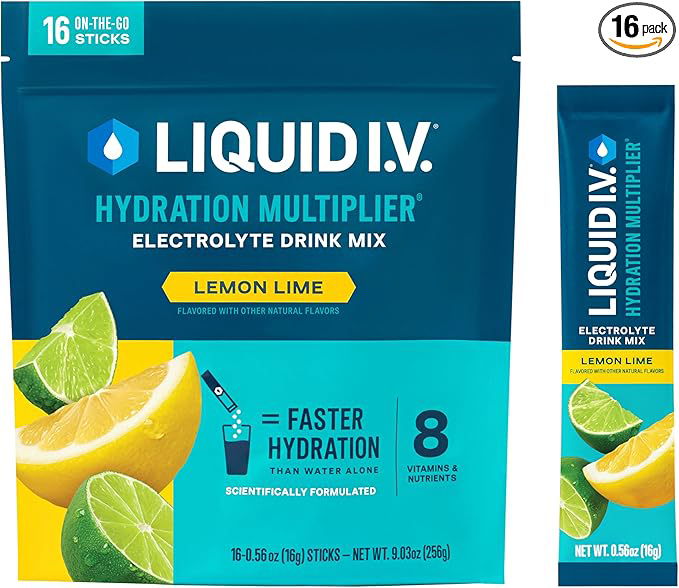
Drinking plain water is great, but adding a pinch of high-quality sea salt or a sugar-free electrolyte powder to one of your daily water bottles can help maintain optimal mineral levels. Just avoid electrolyte drinks loaded with artificial colors or excess sugar.
Tip three: One simple approach: after your workout or with your largest protein meal, have a glass of water with a squeeze of lemon and a small pinch of salt. This mimics the mineral profile your body needs for efficient nutrient uptake without any artificial ingredients.
What to Avoid
Some drinks actively hinder protein absorption. Alcohol is the most obvious—it interferes with protein synthesis and can damage the gut lining over time, reducing its ability to absorb amino acids. Sugary sodas and fruit juices spike blood sugar quickly, shifting metabolic priority away from steady protein processing. Heavy cream or full-fat dairy drinks can slow gastric emptying, meaning protein stays in your stomach longer before being absorbed.
The bottom line: support your protein intake with consistent, moderate-temperature hydration, mindful timing of tea and coffee, and a balanced electrolyte status. Small adjustments can yield real improvements in how your body uses the protein you're already eating.