You eat enough protein—maybe even a lot of it. But if your body isn't breaking it down and putting it to work, that chicken breast or scoop of powder isn't doing you much good. Protein metabolism is a complex process, and when something is off, your body sends signals. Here are four signs that your protein efficiency may be lagging, along with the first things you should check.
1. You're losing muscle despite eating plenty of protein
If you strength-train and hit your protein targets but still feel like your muscles are shrinking or staying flat, something isn't clicking. Muscle protein synthesis requires a steady supply of amino acids, but the body also needs adequate calories, particularly from carbohydrates, to trigger the insulin response that helps shuttle those amino acids into muscle tissue.
Check your total calorie intake first. Many people cut carbs too aggressively while keeping protein high, and that can blunt the anabolic effect. Also consider your protein timing—spreading intake evenly across meals (roughly 25–40 grams per meal for most adults) supports better utilization than loading up at dinner.
2. You feel tired and sluggish after high-protein meals
A heavy protein meal should leave you satisfied, not drained. If you consistently feel brain fog or fatigue after eating protein-rich foods, your body may be working overtime to digest and metabolize it. This can indicate low stomach acid or insufficient digestive enzymes.
Age is a common factor—stomach acid production naturally declines over time. Try eating smaller protein portions at a sitting, chewing thoroughly, and pairing protein with non-starchy vegetables and fermented foods. If the fatigue persists, a healthcare provider can evaluate your digestive function and recommend targeted support.
3. Digestive discomfort, bloating, or irregularity
Protein that isn't fully broken down in the stomach and small intestine can cause gas, bloating, and changes in bowel habits. This is especially common with certain protein sources. Dairy-based proteins (whey, casein) can be problematic for anyone with lactose intolerance or a sensitivity to casein. Plant proteins like legumes and some grains contain fiber and oligosaccharides that can ferment in the gut.
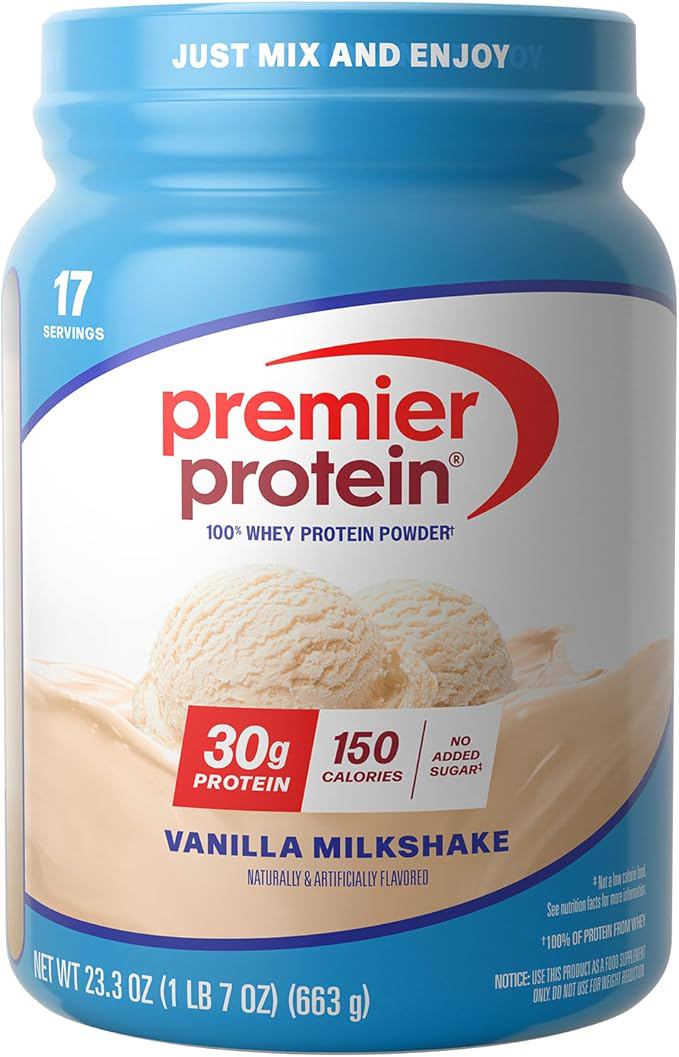
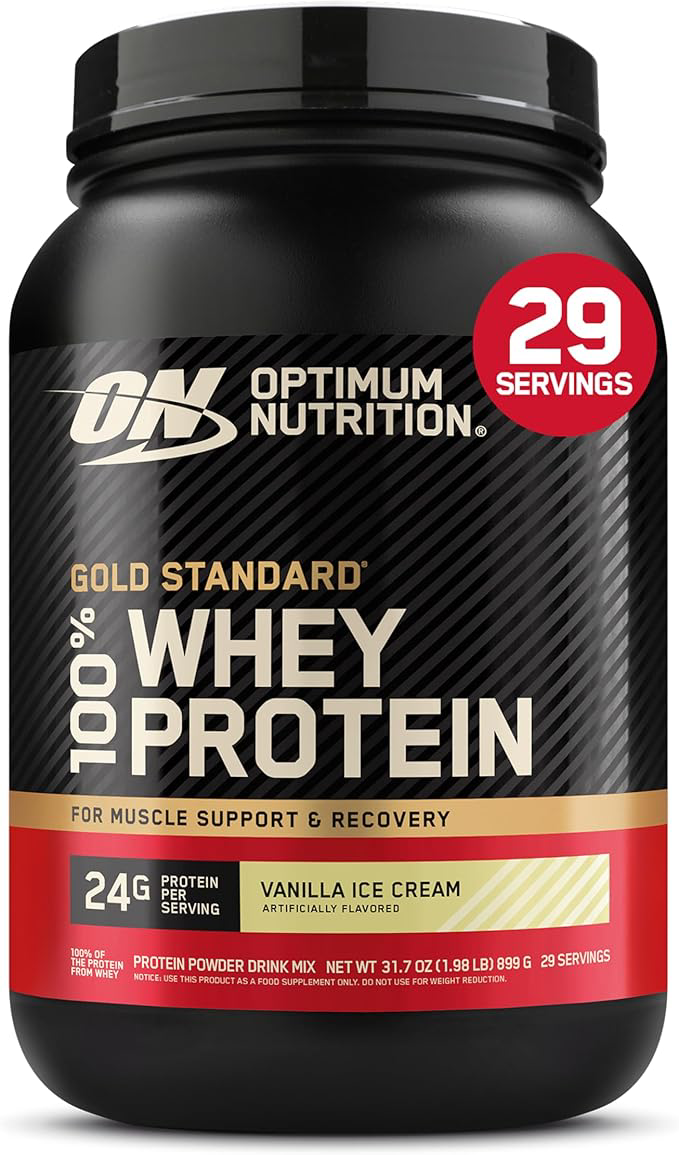
Your first check: swap your protein source for a few days and see what changes. If you use whey powder, try a plant-based blend or egg white protein. If you rely heavily on beans, try pairing them with grains and cooking them thoroughly. Digestive enzymes that include proteases may also help, but talk to a professional before adding supplements.
4. Slow recovery from workouts or minor injuries
Protein is the building block of repair. If you're not bouncing back from strength sessions or notice that cuts and scrapes take longer to heal, your body may not be routing amino acids where they're needed. This can happen even when your diet looks good on paper.
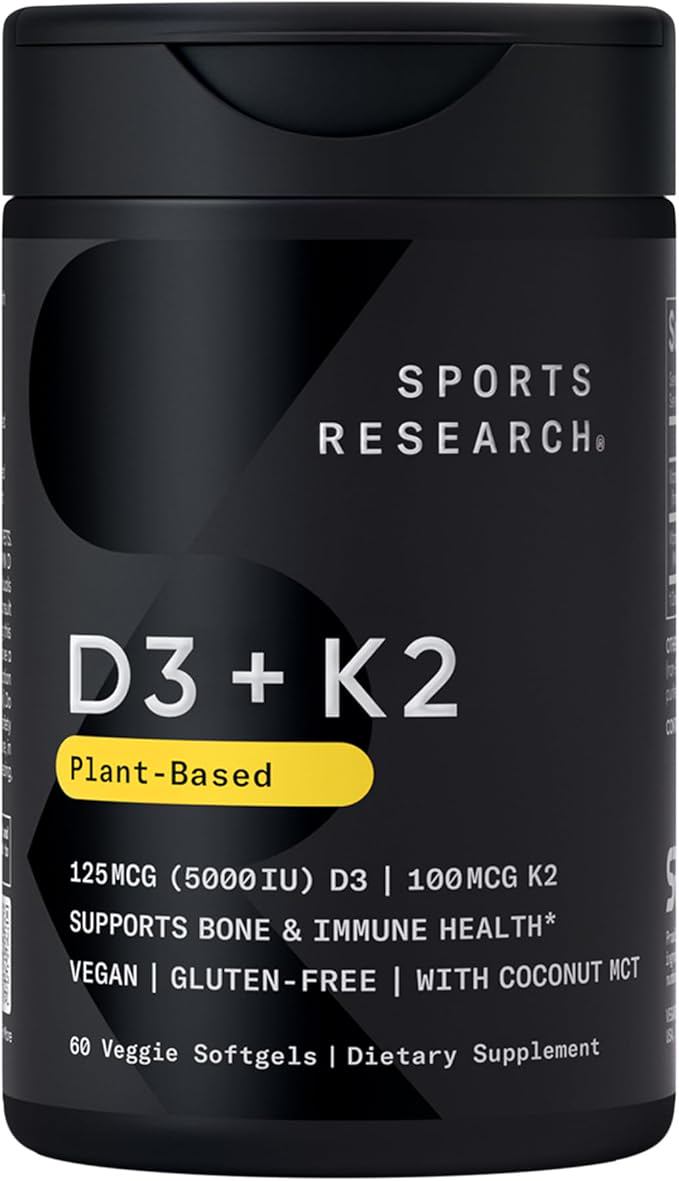
Check your overall micronutrient status. Zinc, vitamin C, and vitamin D all play direct roles in tissue repair and protein synthesis. A deficiency in any of these can slow recovery regardless of protein intake. Iron status matters too—low iron impairs oxygen delivery to muscles, which can make recovery feel sluggish. A simple blood test can uncover these gaps.
Catching inefficient protein use early is less about eating more and more about supporting the systems that process and direct it.
What to check first if you see these signs
Before overhauling your diet, run through this short checklist:
- Total calories: Are you eating enough to support your activity level? Severe restriction can force the body to use protein for energy instead of repair.
- Protein source variety: Relying on a single source (especially a processed one) may limit amino acid diversity.
- Hydration: Protein metabolism produces urea, which needs water to be filtered and excreted. Chronic dehydration adds stress to the kidneys and can slow protein turnover.
- Stress and sleep: Cortisol (the stress hormone) is catabolic—it breaks down muscle tissue. Poor sleep also lowers growth hormone, which is needed for protein synthesis.
If you've addressed these basics and still feel off, the next step is to talk with a doctor or registered dietitian. They can run tests for digestive enzyme function, stomach acid levels, and inflammatory markers that may be interfering with protein metabolism.